DRC's Ebola Crisis Claims Over 1,400 Lives, Spreading at Unprecedented Pace
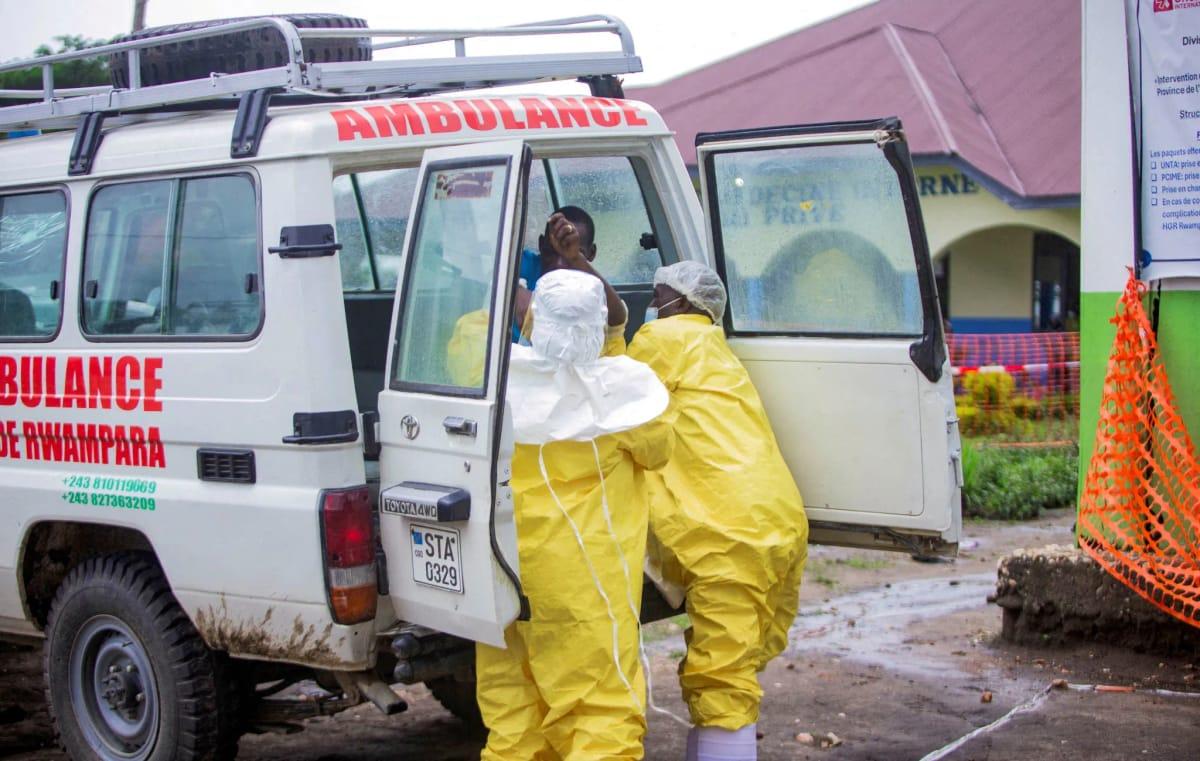
The Democratic Republic of Congo (DRC) is currently grappling with what is being described as the most rapidly escalating Ebola outbreak ever recorded. Since its declaration on May 15, official data released on July 6 indicates the virus has claimed 1,405 lives, with confirmed infections now exceeding 3,200. Public health authorities have voiced concerns that the current epidemic is disseminating at a pace not witnessed in prior Ebola crises.
To put this into perspective, the devastating West African outbreak between 2013 and 2016, which ultimately resulted in over 11,000 fatalities from more than 28,000 confirmed cases, required approximately eight months to register 1,000 deaths. Alarmingly, the ongoing DRC outbreak hit this same grim milestone in less than ten weeks. This marks the 17th Ebola incident in the DRC's history, yet it is only the third instance attributed to the Bundibugyo strain, a variant for which there remains no officially approved vaccine or therapeutic intervention.
The World Health Organization (WHO) has issued a stark caution, suggesting the actual number of individuals infected could be two to four times higher than the officially reported statistics. Adding to the gravity, health authorities are troubled by the fact that approximately 80 percent of recent cases are appearing disconnected from established transmission chains. This significant challenge complicates efforts to effectively trace infections and curb the virus's spread.
The severity of the crisis is further exacerbated by ongoing industrial actions involving healthcare professionals. At the Elikya Ebola Treatment Centre in Bunia, Ituri Province, roughly 100 doctors, nurses, and security staff initiated a work stoppage and protests. Their grievance stems from unpaid performance bonuses, an action that has hampered critical treatment services at one of the primary response hubs for the outbreak. Similarly, personnel at Bunia General Hospital, the largest medical facility in the area, also commenced a strike last week due to outstanding salaries. Certain staff members informed the Associated Press that they had not received payment since their involvement in the Ebola response began.
Dr. Jean Kaseya, the Director-General of the Africa Centres for Disease Control and Prevention, in an interview with Sky News, attributed the worsening outbreak to insufficient resources. He emphatically stated, "These are people dying. They are dying because we don't have vaccines, we don't have medicine, we don't have funding."
The Ebola virus propagates via direct contact with the blood or other bodily fluids of infected humans or animals, alongside contact with contaminated surfaces. Transmission can also occur from touching the remains of individuals who have succumbed to the illness. Initial symptoms, which typically manifest between two and 21 days post-infection, encompass elevated fever, intense muscle and joint aches, headaches, and a sore throat. As the disease progresses, patients might experience vomiting, diarrhoea, dermal rashes, failure of the liver and kidneys, and, in certain instances, both internal and external haemorrhaging. The Bundibugyo strain specifically carries an estimated mortality rate ranging from 30 to 50 percent.
Although no approved vaccine exists for the Bundibugyo strain, scientists have commenced trials for an experimental vaccine. This new vaccine was developed using technology analogous to that employed in the Oxford-AstraZeneca Covid-19 vaccine. The BBC reported that the initial volunteer received this vaccine last week, marking the beginning of an early-stage clinical trial. Furthermore, the International Organization for Migration (IOM) has cautioned that the transportation of bodies of Ebola victims across various regions for funeral rites and burials poses a significant risk, potentially accelerating the virus's dissemination. The IOM underscored the fact that Ebola retains high infectivity even after death, rendering safe burial protocols absolutely essential for outbreak containment efforts.
Comments
(0)0/500 · No URLs or profanity allowed
Dis Ebola wahala for DR Congo don turn to serious matter, dem say na the fastest-growing outbreak ever. Over 1,400 people don kpai, and even health workers dey strike because dem never pay dem. Na real kasala be dis, make dem find solution quick!
Source: Linda Ikeji's Blog
Related Stories

Prophetess Ezinne Nwanorue Celebrates Mother-in-Law's Passing with Scathing Facebook Post
Lagos Hustle: The Hidden Cost of No Gree For Anybody on Your Sleep & Health
Benue State Probes Reported Mpox Case in Konshisha LGA

Florida Pastor Sues OpenAI Over ChatGPT's Alleged Role in Near-Fatal Medical Crisis
Kaduna Psychiatric Hospital Under Fire Over Alleged Abuse Of Power Against Nurse