Lagos Hustle: The Hidden Cost of No Gree For Anybody on Your Sleep & Health
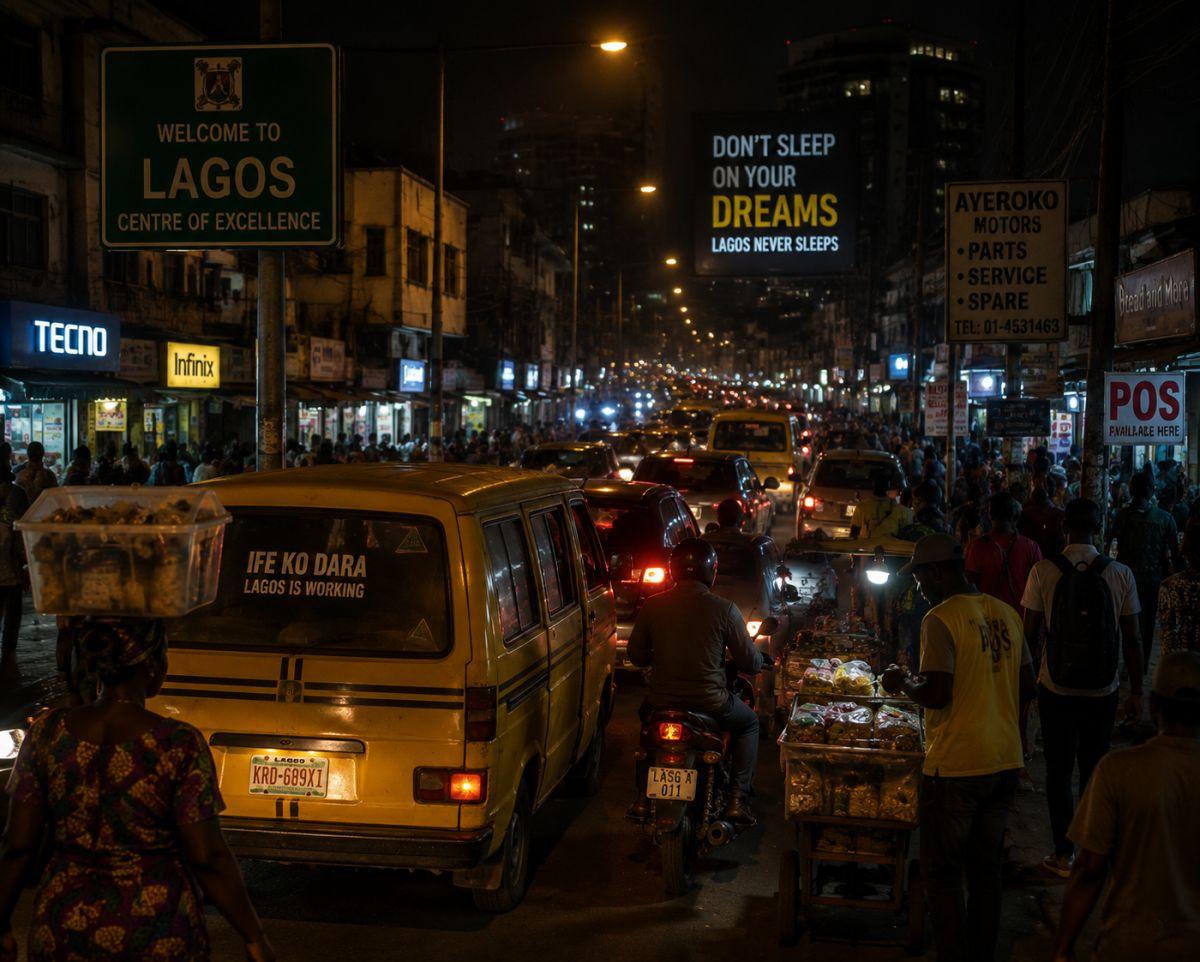
Lagos, a city that never truly sleeps, pulses with an energy synonymous with ambition and relentless drive. From the bustling markets to the corporate high-rises, the spirit of "no gree for anybody" defines a culture of perpetual motion. While this hustle fuels innovation and economic growth, it often comes at a hidden cost: the neglect of adequate sleep. For many Nigerians, particularly those navigating the intense demands of urban life, sleep is increasingly viewed as a luxury rather than a fundamental pillar of health. This oversight has significant implications for individual well-being and public health.
The Lagos hustle culture, characterized by long working hours, entrepreneurial pursuits, multiple income streams, and arduous commutes, invariably squeezes the time available for rest. It’s common to hear of individuals waking before dawn to beat the notorious traffic and returning home well past midnight, only to repeat the cycle. This societal norm often leads to chronic sleep deprivation, where individuals consistently get less than the recommended 7-9 hours of sleep per night. For instance, a small business owner might spend their day at their shop, then use late evenings to manage inventory and social media, often sleeping just 4-5 hours. Similarly, the corporate professional might leave home at 5 AM, endure hours in traffic, work a demanding day, and arrive home late, leaving little time for proper rest before the next day begins.
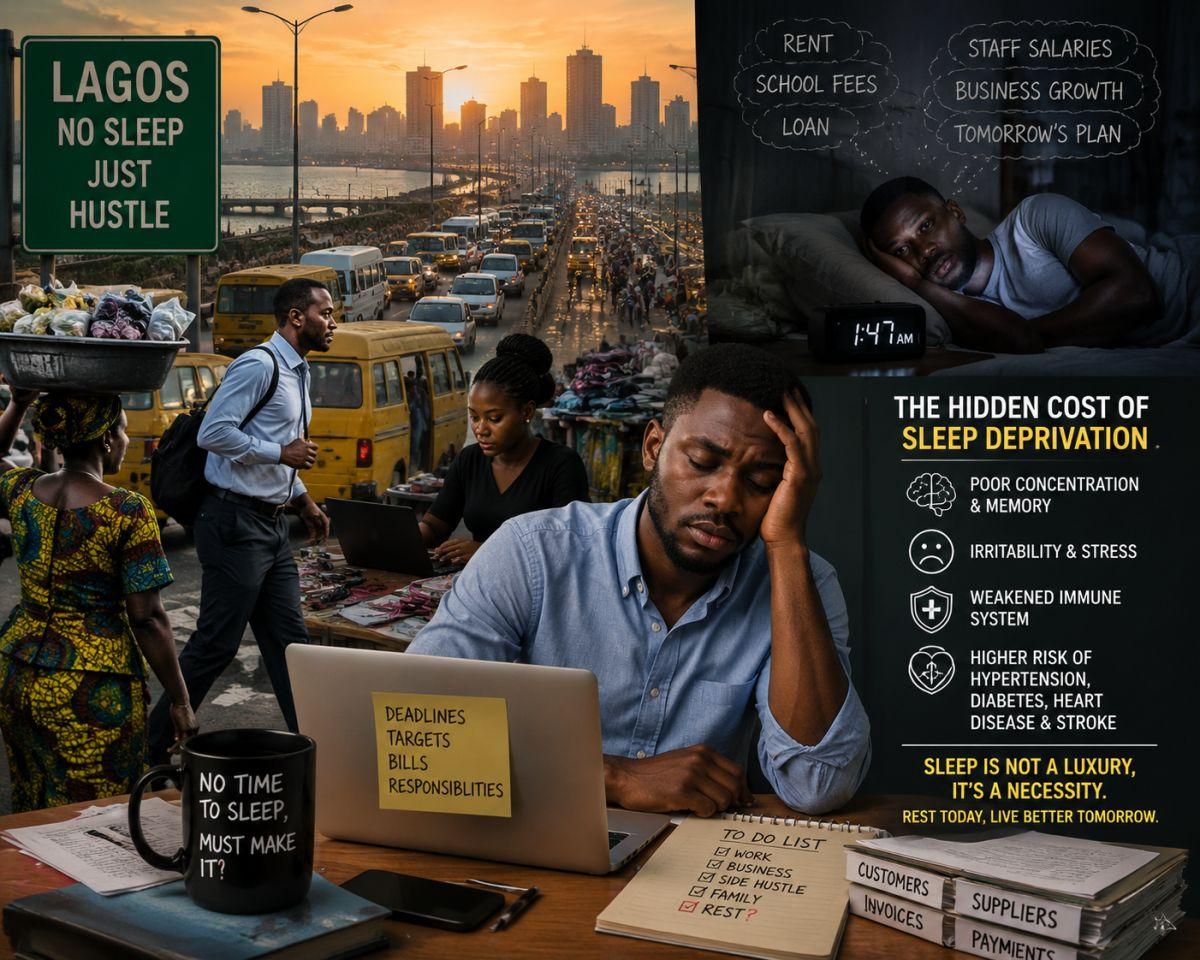
The immediate consequences of this widespread sleep deficit are both subtle and profound. One key impact is a noticeable decline in cognitive function. Individuals experiencing chronic sleep deprivation often struggle with reduced concentration, impaired memory, and slower reaction times. This can manifest as errors at work, difficulty retaining new information, or even an increased risk of accidents on the road, a serious concern given the volume of daily commuters. Beyond cognitive effects, poor sleep significantly affects mood and emotional regulation. Many Nigerians might attribute increased irritability, stress, or a general feeling of being overwhelmed to the pressures of daily life, without realizing that inadequate sleep is a major contributing factor. A weakened immune system is another immediate consequence; consistent lack of sleep makes the body more susceptible to common illnesses like colds and flu, leading to more sick days and reduced productivity.
Looking beyond immediate effects, consistent poor sleep hygiene lays the groundwork for more serious, long-term health complications that are increasingly prevalent in Nigeria. Research consistently links chronic sleep deprivation to an elevated risk of cardiovascular diseases, including hypertension.
Gallery
Comments
(0)0/500 · No URLs or profanity allowed
Lagoss relentless energy often pushes sleep aside, impacting health. Discover the hidden costs of the no gree for anybody spirit on your well-being.
Related Stories

Benue State Probes Reported Mpox Case in Konshisha LGA

Florida Pastor Sues OpenAI Over ChatGPT's Alleged Role in Near-Fatal Medical Crisis
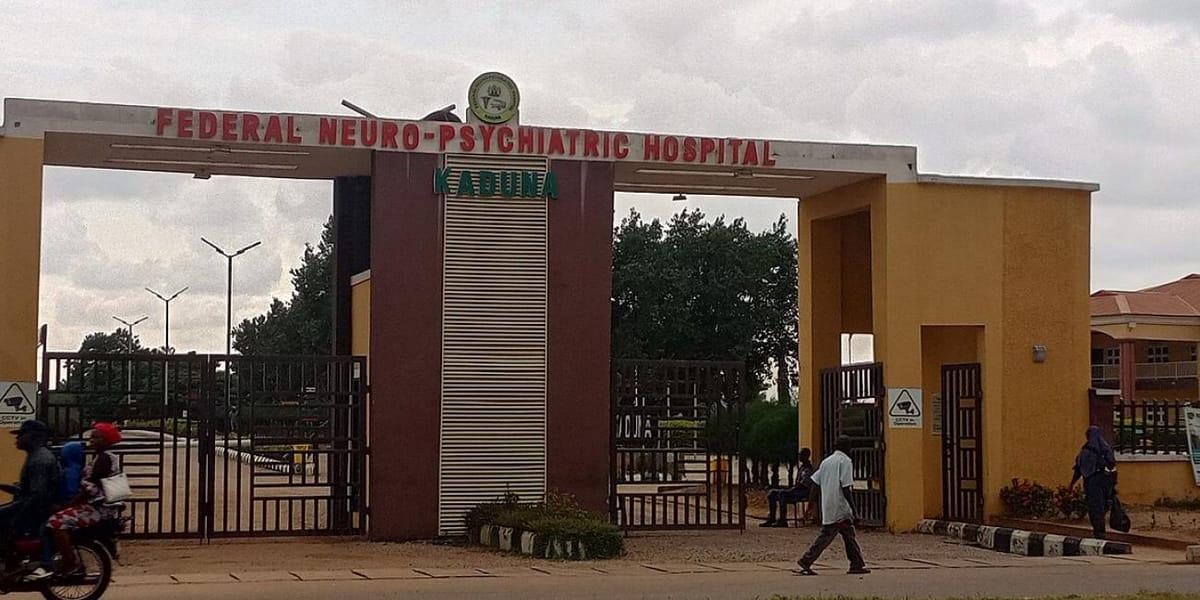
Kaduna Psychiatric Hospital Under Fire Over Alleged Abuse Of Power Against Nurse

Olivia Rodrigo Speaks Out on Abortion Rights, Accuses Opponents of Seeking Control
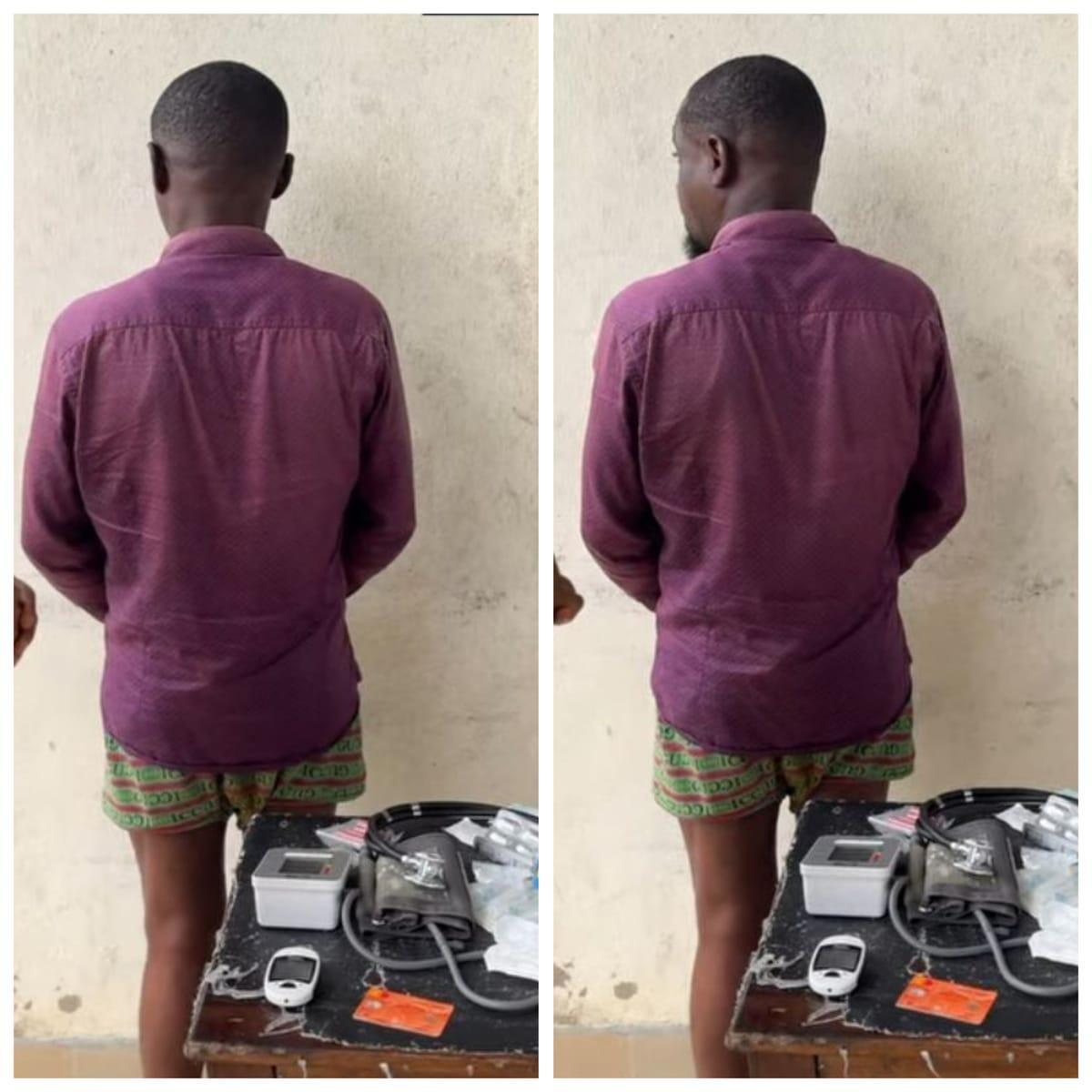
Fake Medical Practitioner Exposed in Cross River After Treating 15 Patients