Atiku Rejects Tinubu's 'Ignorant' Tag on Fuel Subsidy Plan
Full Story
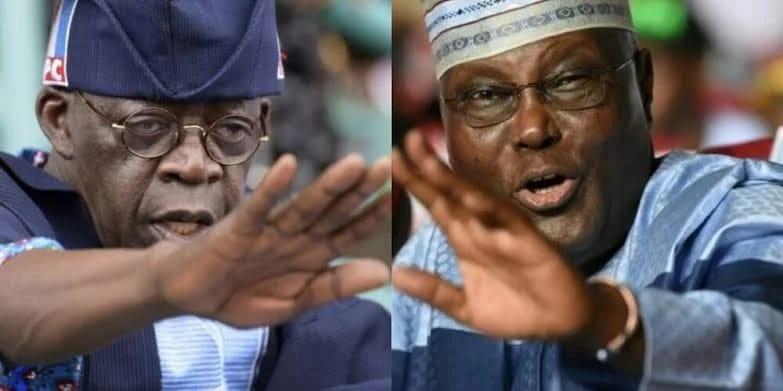
Former Vice President Atiku Abubakar has strongly refuted President Bola Tinubu's characterization of his proposed solutions for Nigeria's oil and gas sector as economically uninformed. Atiku, through a statement released on Friday by his Senior Special Assistant on Public Communication, Phrank Shaibu, accused the current administration of deepening the nation's cost-of-living crisis while simultaneously celebrating an increase in government revenues.
Atiku maintained that President Tinubu is ill-equipped to lecture Nigerians on economic management, especially given the fallout from the removal of petrol subsidy, the liberalization of the foreign exchange market, and the subsequent surge in inflation, transportation costs, and household expenditures. He critically remarked, "The real ignorance is believing suffering is economic policy. Tinubu removed the subsidy from Nigerians’ pockets, but he is yet to remove the questions from his books."
The former vice president clarified that his proposition does not advocate for a return to the previous subsidy system that predated the Tinubu presidency. Instead, he described it as a carefully structured, temporary support mechanism aimed at boosting domestic refining capacity and shielding consumers from exorbitant price fluctuations. He emphasized that Nigeria's economic landscape has drastically transformed since President Tinubu declared an end to petrol subsidy in May 2023, necessitating a re-evaluation of current policy approaches. "Economic prescriptions respond to prevailing conditions," Atiku stated, adding, "But other things are no longer equal in Tinubu’s Nigeria."
According to Atiku, the removal of the subsidy without adequate cushioning measures set off a ripple effect across the economy. This led to a sharp increase in petrol prices, transportation fares, and food costs, alongside a significant depreciation of the naira. He stressed that his suggestion is not about bringing back a "corrupt, open-ended subsidy bazaar," but rather a "targeted, capped, budgeted, time-bound and independently audited production-support mechanism tied to domestic production and protected against arbitrage."
Atiku’s comments followed President Tinubu’s critique of any proposals to reinstate or introduce new forms of petroleum subsidy, with Tinubu specifically labeling Atiku’s suggested model as a "demonstration of serious ignorance on governance and economy." Atiku countered by accusing the administration of adopting a rigid stance on subsidy removal despite the severe economic repercussions. He asserted, "Tinubu pronounced first and searched for a plan afterwards. Atiku studied the consequences and produced a solution."
Raising questions about transparency, Atiku asked, “If subsidy is dead, why are under-recoveries alive?” and “If corruption was eliminated, why has opacity survived?” He contended that Nigerians are shouldering the burden of these reforms through higher petrol costs and living expenses, while critical questions surrounding the financial liabilities in the petroleum sector remain unanswered. Atiku concluded, "Tinubu has given Nigerians the worst of both worlds: he removed the relief but retained the opaque costs. Nigerians got the pain; government kept the bill."
The Federal Government has consistently defended the removal of the petrol subsidy, arguing it was financially unsustainable and essential to free up resources for development, bolster public revenues, and correct market distortions. The administration has also highlighted increased allocations from the Federation Account, particularly benefiting state governments previously grappling with salary payments and recurrent expenditures, as a positive outcome of the reform.
However, Atiku dismissed this argument, contending that increased governmental allocations should not be paraded as economic success when ordinary Nigerians are simultaneously losing their purchasing power. He argued, “You do not build a federation by impoverishing citizens so that Abuja can send bigger cheques to governors.” He further suggested that larger Federation Account Allocation Committee (FAAC) disbursements might encourage states to become overly reliant on federal transfers, rather than developing their productive economies and internally generated revenues. "Why undertake difficult reforms, industrialise or expand productive capacity when Abuja provides an ever-growing monthly cheque?” he questioned, labeling such a scenario as "not fiscal federalism. It is fiscal sedation and rascality." Atiku also reiterated his call for an explanation regarding approximately ₦30tn in Federation Accou...
Videos
Comments
(0)0/500 · No URLs or profanity allowed
Na serious gbege don start again as Atiku tell Tinubu say im own economic plan no be 'ignorance'. Dem two dey drag who sabi manage Nigeria economy pass, especially with dis fuel matter wey dey make life hard for citizens. We go just siddon look who go win dis economic fight.
Source: Punch NG
Related Stories

Joy as Media Personality Osi Suave Becomes First-Time Boy Dad, Hails Wife Whitney

Globacom Marks 23 Years with 'Never Settle For Less' Slogan, Fresh Offerings
Peter Obi Launches 2027 Presidential Bid, Challenges Rivals to Account for Records

New World Bank Framework Targets 32 Million Nigerians for Electricity Access by 2032

Farmers Flee Fields: Insecurity Undermines Nigeria's Food Security