Niger Delta Stability Fuels Nigeria's Rising Oil Production
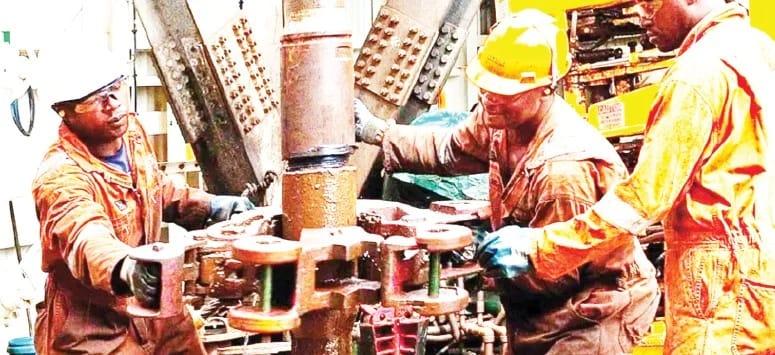
Nigeria is currently experiencing an uptick in its crude oil production, a positive development linked to a significant decrease in pipeline vandalism and enhanced security measures safeguarding its vital oil infrastructure. This surge in output is a direct result of concerted efforts to curb illicit activities and foster peace in the oil-rich Niger Delta region.
Data from the Nigerian Upstream Petroleum Regulatory Commission (NUPRC) for July revealed that the volume of oil lost via pipelines has reached unprecedented low levels. Concurrently, Nigeria’s total production of crude oil and condensate saw an increase, hitting roughly 1.735 million barrels per day in June, a direct consequence of the bolstered security around oil facilities.
This June production figure marked the fourth consecutive month of growth, a notable achievement credited to the prevailing peace and stability across the Niger Delta. The diligent work of Tantita Security Services Nigeria Ltd (TSSNL) in safeguarding national assets, especially critical oil pipelines in the area, has been instrumental in this positive trend.
Historically, Nigeria endured losses amounting to billions of dollars annually due to widespread sabotage of oil infrastructure, pipeline breaches, community disruptions, and forced production shutdowns. These massive losses severely impacted government revenue and consistently suppressed the nation's oil production capacity.
Nevertheless, the oil sector is now showing signs of recovery. NUPRC reports confirm a sustained reduction in pipeline losses, which has facilitated an increase in oil production to improved levels. These positive developments are largely attributed to the robust security operations conducted by Tantita Security Services Nigeria Ltd within the Niger Delta.
Industry stakeholders anticipate that this consistent rise in oil production, coupled with the ongoing peace and stability in the Niger Delta, will significantly enhance government revenue, bolster external reserves, and improve the overall fiscal health of the nation. The Federal Government's decision to engage Tantita Security Services Nigeria Ltd to secure oil assets and foster tranquility in the Niger Delta has been a pivotal factor in achieving these outcomes.
President Bola Tinubu officially appointed TSSNL, under the leadership of High Chief Government Ekpemupolo, famously known as Tompolo, with the mandate to safeguard Nigeria’s valuable oil assets across the Niger Delta. This strategic appointment aimed to empower TSSNL to contribute to the national economy by ensuring the country reaps the full benefits from its petroleum resources through effective security operations.
To achieve its objectives of securing oil assets and maintaining peace and stability in the Niger Delta, TSSNL collaborates extensively with various other security agencies. Tantita’s diligent operations have successfully secured oil pipelines, guaranteed the steady flow of petroleum resources, and transitioned Nigeria from a reactive state of managing continuous losses to one of stability, strategic planning, growth, and development.
The impact of TSSNL’s operations has been transformative for Nigeria’s oil and gas sector. They have enabled the country to increase its oil production quota and drastically reduce the pervasive issue of crude oil theft. Tantita’s proven capability in reducing risks to oil pipelines firmly establishes it as a crucial ally in protecting Nigeria’s primary economic driver.
**OPEC Quota Attained**
For the third consecutive month, Nigeria successfully met its OPEC production quota in July, according to NUPRC. The country achieved a combined output of 1.67 million barrels per day of crude oil and condensate.
NUPRC data detailed that crude oil production averaged 1.505 million barrels per day (mbpd) in July, with an additional 0.17 mbpd from condensate, culminating in the 1.67 mbpd daily average. The regulatory body also noted that the highest daily production during July peaked at 1.78 mbpd, whereas the lowest daily output recorded was 1.57 mbpd.
In a recent statement, the NUPRC affirmed, “Despite some operational problems at a few fields, Nigeria met the OPEC quota of 1.5mbpd in July.” However, the commission also pointed out that the total production volume for July experienced a four percent decrease when compared to the figures from June.
This month-on-month dip was primarily ascribed by the NUPRC to operational difficulties encountered at the Erha and Akpo oil fields. A spokesperson for the commission elaborated, stating, “Disruptions at Erha and Akpo constrained volumes and were a significant factor in the production shortfall for the month.”
The regulator further assured that the majority of other producing assets maintained stable operations. According to the NUPRC, “Operators implemented measures to maintain production efficiency and to minimise the impact of the disruptions.”
**Domestic Crude Supply Boost**
The NUPRC’s Q2 2026 statistics regarding the enforcement of the Domestic Crude Supply Obligation (DCSO), mandated by Section 109 of the Petroleum Industry Act (PIA), indicated a substantial supply of 53.7 million barrels of crude oil and condensate to domestic refiners between April and June. This volume reflects an impressive overall performance rate of 97.4 percent.
These figures underscore the NUPRC’s active role in administering and enforcing the DCSO. Each month, the commission convenes with key stakeholders, including crude oil producers and licensed local refineries. Following these consultations, producers are mandated to offer a designated volume of their crude oil and condensate to the country's local refining facilities.
It is important to note, however, that the framework, as stipulated by the PIA, operates on a “willing buyer, willing seller” principle, which ultimately influences the final supply outcomes. For instance, in April, after thorough consultations with stakeholders, a total of 18,127,638 barrels were allocated to producers for domestic supply.
Comments
(0)0/500 · No URLs or profanity allowed
Na good news say Nigeria oil production dey go up as pipeline theft don reduce. Tantita Security Services don try well-well for Niger Delta. We just hope say dis one go ginger our economy proper and make naira strong small.
Source: Punch NG
Related Stories

New World Bank Framework Targets 32 Million Nigerians for Electricity Access by 2032

Farmers Flee Fields: Insecurity Undermines Nigeria's Food Security

Private Sector Demands Clarity on N15.8tn Subsidy Gains' Real Value

Nigerian States Receive N435bn Special FAAC Funds for Security, Infrastructure

Speed Darlington Foresees Dire Outcomes for Poco Lee Over R@pe Allegation