Clean Water Crisis: Saving Nigerias Children from Preventable Illnesses
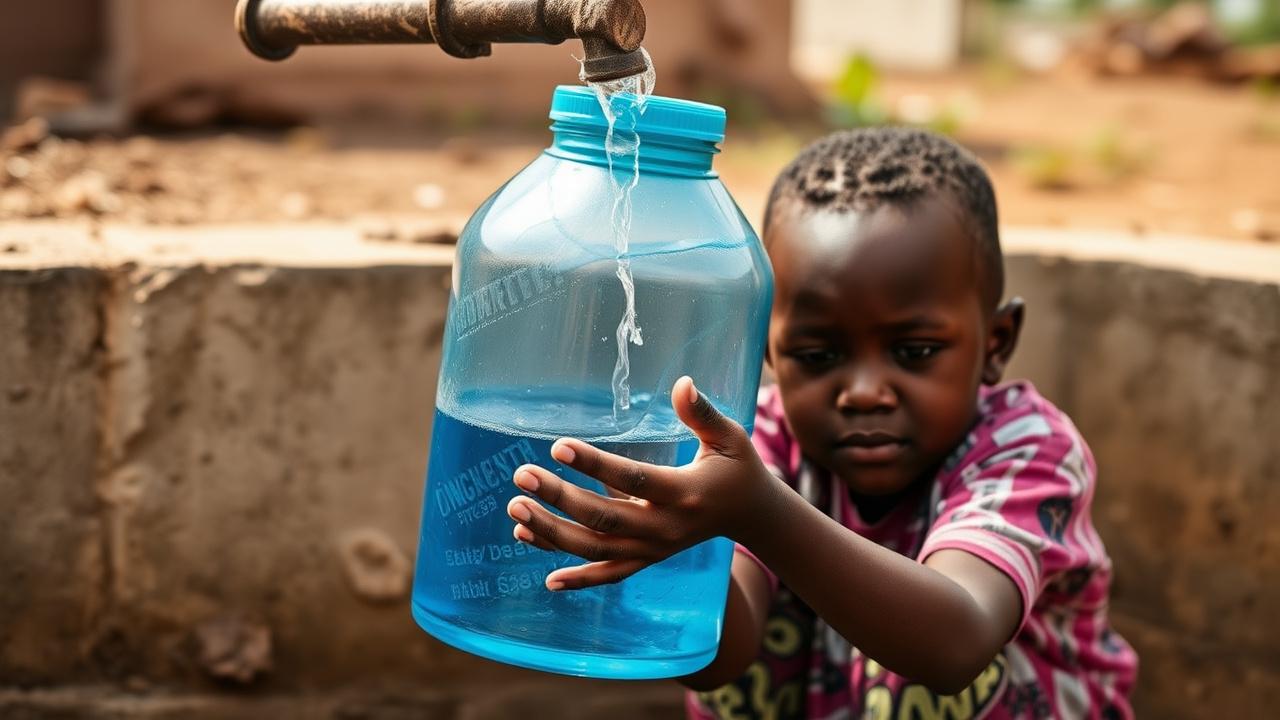
Access to clean, safe drinking water is a fundamental human right and a cornerstone of public health, especially for the youngest members of any society. In Nigeria, the direct connection between the availability of clean water and the health outcomes of children is profound and well-documented. For millions of Nigerian children, the quality of the water they drink can be the difference between a healthy, thriving childhood and one marred by preventable illnesses, developmental setbacks, and even mortality. Understanding this critical link is essential for appreciating the broader implications for national development and the well-being of future generations.
One of the most immediate and devastating consequences of inadequate clean water access is the prevalence of waterborne diseases. Contaminated water sources, often found in communities without proper infrastructure, serve as breeding grounds for pathogens that cause severe illnesses. Diarrhea, cholera, and typhoid are common threats. For instance, UNICEF reports that diarrheal diseases remain a leading cause of death among children under five in Nigeria. Children who consume water contaminated with bacteria like E. coli or Vibrio cholerae are highly susceptible to acute watery diarrhea, which can lead to rapid dehydration and, if untreated, death. A child in a rural community fetching water from an unprotected well, for example, faces a daily risk of ingesting harmful microbes that can trigger a severe bout of illness, impacting their immediate health and long-term development.
Beyond the acute impact of diseases, consistent exposure to unsafe water contributes significantly to malnutrition and stunting among Nigerian children. When children frequently suffer from waterborne illnesses, their bodies struggle to absorb essential nutrients from food. Repeated episodes of diarrhea, in particular, damage the intestinal lining, impairing nutrient uptake even when food is available. This cycle of illness and malabsorption prevents children from growing properly, leading to stunting – a condition characterized by low height for age. Stunting is not just a physical problem; it is linked to irreversible cognitive damage, poor school performance, and reduced productivity in adulthood. A child who is constantly battling infections from unsafe water cannot allocate energy to growth and development, creating a chronic state of nutritional deficiency despite efforts to provide adequate food.
The lack of clean water also has a substantial, often overlooked, impact on children's education. Illnesses stemming from contaminated water force children to miss school, disrupting their learning and ultimately affecting their academic performance and future prospects. A child recovering from a severe case of typhoid or cholera may miss weeks of schooling, falling behind their peers. Furthermore, in many communities, the burden of fetching water often falls on children, particularly girls. They may spend several hours daily trekking long distances to collect water from distant or unsafe sources, taking valuable time away from their studies. This dual impact—illness and time spent on water collection—creates a significant barrier to educational attainment for millions of Nigerian children.
Addressing the challenge of clean water access requires a multi-faceted approach, emphasizing improved infrastructure and community education. According to the 2021 WASH National Outcome Routine Mapping (NORM) survey, only 14% of Nigerians have access to safely managed drinking water services. This highlights the scale of the challenge and the urgent need for interventions such as the construction of boreholes, pipe-borne water systems, and the promotion of household water treatment methods. Furthermore, educating communities on safe water handling, hygiene practices, and sanitation is crucial in breaking the chain of transmission for
Comments
(0)0/500 · No URLs or profanity allowed
Access to clean water is critical for Nigerian childrens health and development. Poor water quality leads to preventable illnesses and threatens their future.
Related Stories

Nigerian Nurse Shares Colleague's Skin Reaction After Lenacapavir HIV Prevention Jab
Libyan Authorities Bust Nigerian Operated Secret Abortion Clinic in Benghazi
DRC's Ebola Crisis Claims Over 1,400 Lives, Spreading at Unprecedented Pace
Prophetess Ezinne Nwanorue Celebrates Mother-in-Law's Passing with Scathing Facebook Post

Lagos Hustle: The Hidden Cost of No Gree For Anybody on Your Sleep & Health