Nigerias Health Revolution: Blending Ancestral Herbs with Modern Medicine
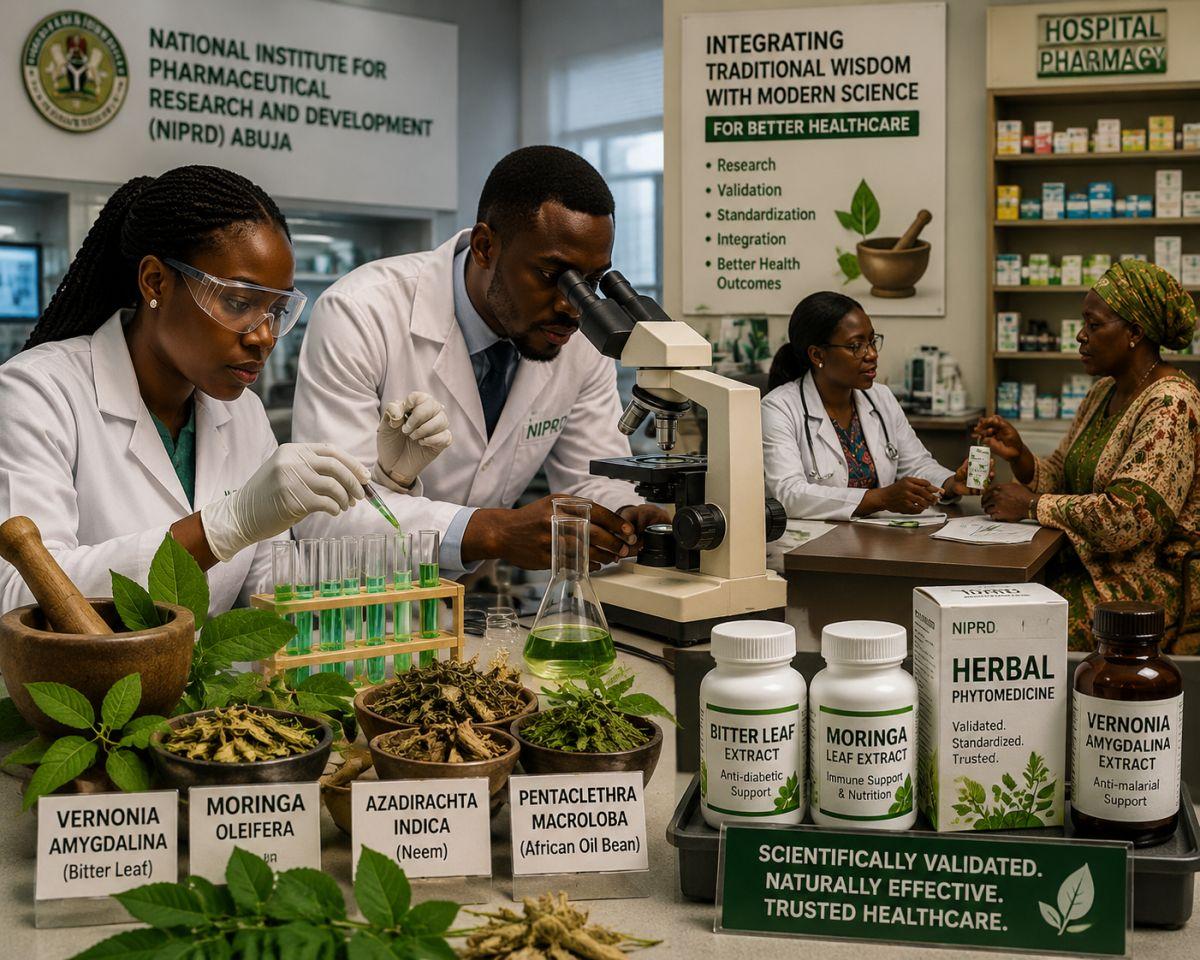
For generations, traditional medicine has been the bedrock of healthcare for countless Nigerians, with local herbs and remedies passed down through ancestral knowledge. While modern medical science has advanced rapidly, a quiet revolution is unfolding within some of Nigeria's contemporary healthcare institutions: the strategic integration of these indigenous herbal treatments into modern medical practice. This evolving synergy aims to harness the therapeutic potential of Nigeria’s rich botanical heritage, bridging the gap between ancient wisdom and scientific validation.
The move towards integrating local herbs is driven by several factors, including the high cost of imported pharmaceuticals, the quest for culturally relevant care, and a growing global interest in phytomedicine. Nigerian hospitals, often in collaboration with research institutes, are increasingly exploring evidence-based applications of these traditional remedies, moving beyond anecdotal claims to scientific proof.
One significant area of focus is **rigorous research and clinical validation**. Institutions like the National Institute for Pharmaceutical Research and Development (NIPRD) in Abuja, alongside university teaching hospitals such as the University College Hospital (UCH) Ibadan and Lagos University Teaching Hospital (LUTH), are at the forefront. They conduct pharmacological studies, toxicity tests, and even clinical trials on promising herbal candidates. For example, NIPRD has extensively researched and developed products from plants like *Vernonia amygdalina* (bitter leaf) for its anti-diabetic and anti-malarial properties, and *Moringa oleifera* for its nutritional and immune-boosting benefits. These studies aim to identify active compounds, standardize dosages, and ensure safety and efficacy, paving the way for their formal acceptance within the modern medical framework. The World Health Organization (WHO) estimates that about 80% of the African population relies on traditional medicine for primary healthcare, underscoring the importance of validating these practices.
Following successful research, another key step is the **formal integration of validated phytomedicines into hospital formularies and pharmacies**. This means that
Comments
(0)0/500 · No URLs or profanity allowed
Nigerian healthcare is evolving! Traditional herbal remedies are now being integrated into modern medical practice. This bridges ancient wisdom with scientific validation.
Related Stories
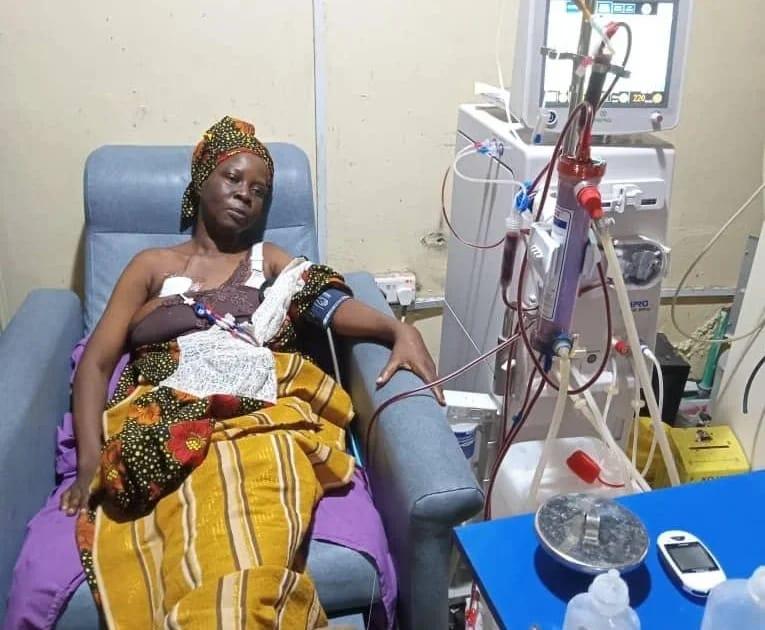
N45.1 Million Needed for 55-Year-Old Mother's Urgent Kidney Transplant

Clarification on Mary Habila's Profession: Colleague Anita Baki Sets the Record Straight
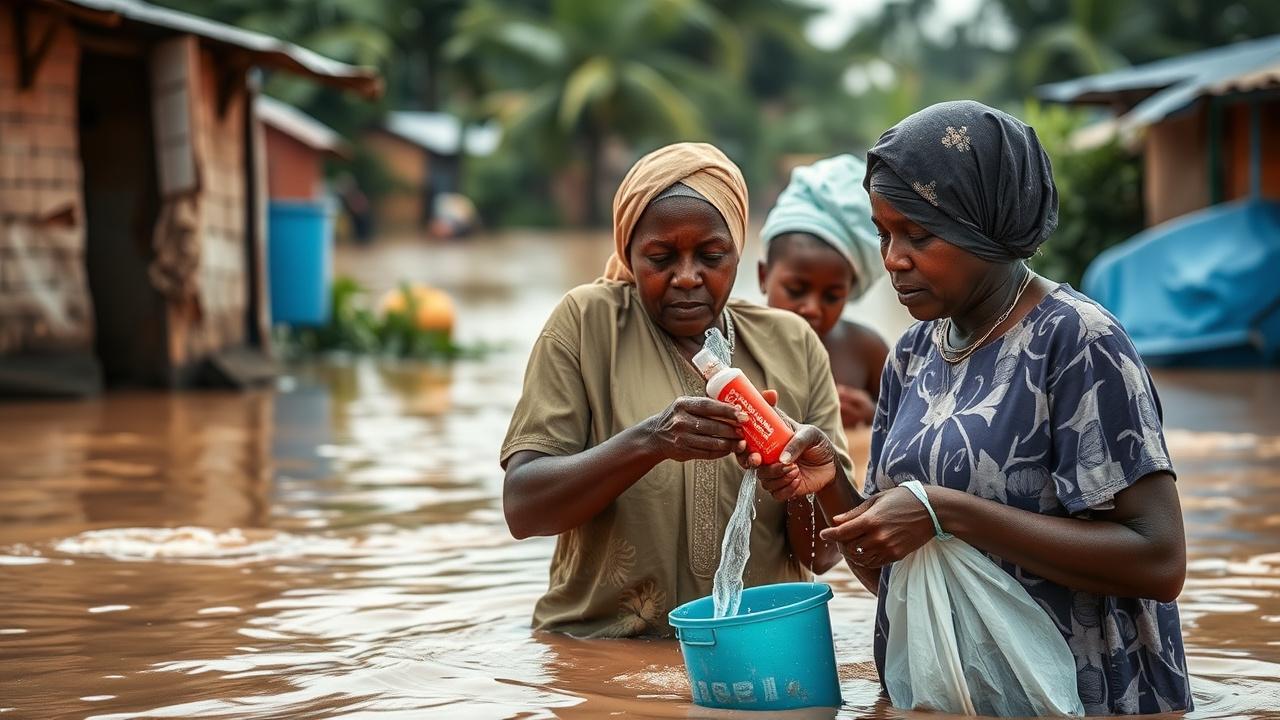
Rising Waters, Rising Risks: How to Protect Your Family From Cholera This Rainy Season

Nigeria Taps Into Global Talent With New Diaspora Health Initiative

Physiotherapy Body Disputes Minister Umahi's Claim on Late Mary Habila's Professional Status