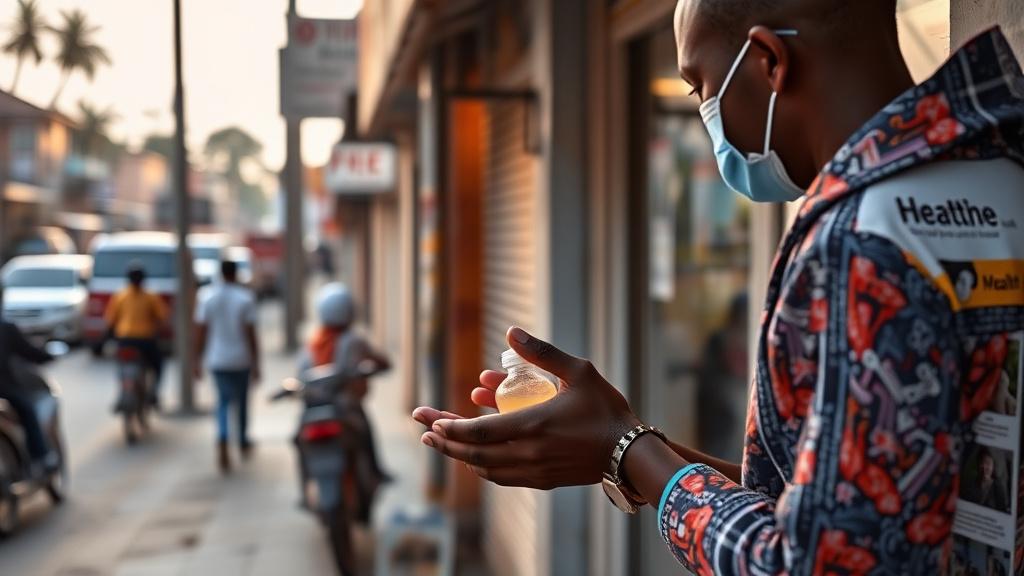
Rising Waters, Rising Risks: How to Protect Your Family From Cholera This Rainy Season
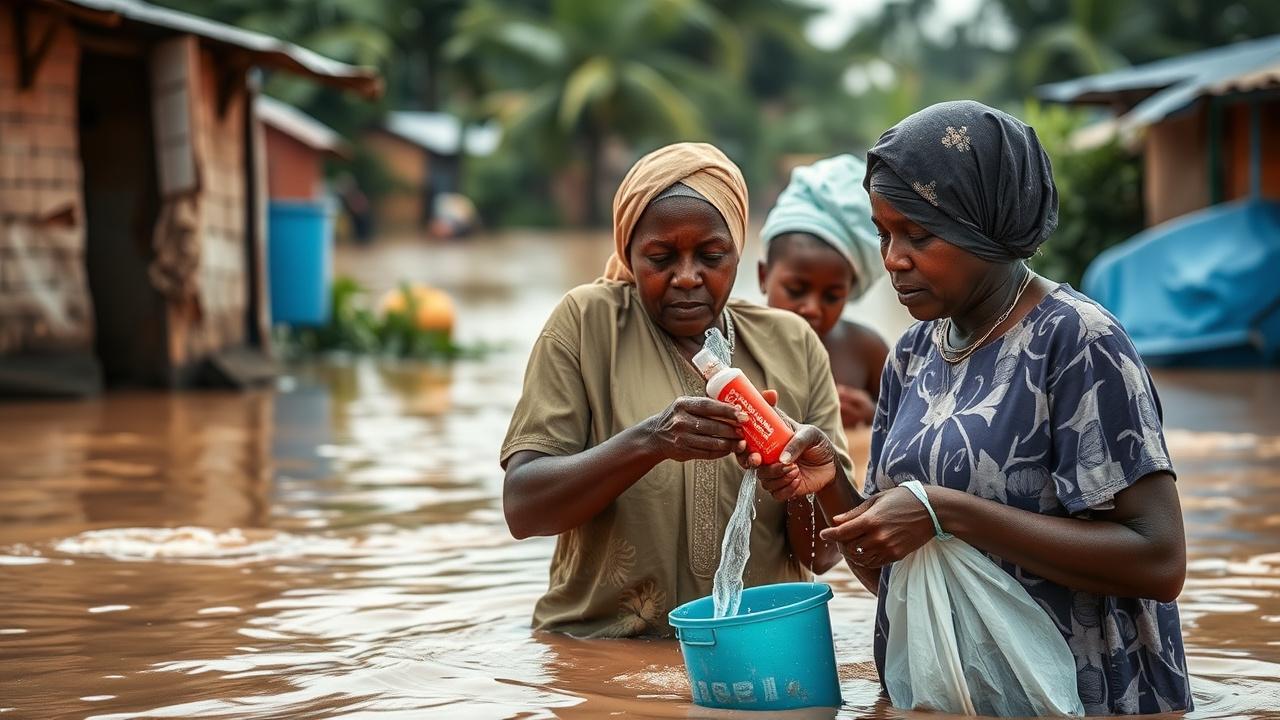
Nigeria’s annual rainy season, while vital for agriculture, often brings with it the devastating challenge of widespread flooding. Beyond the immediate destruction of property and displacement, these floods pose a significant public health threat, primarily through the heightened risk of waterborne diseases like cholera. As communities across the country brace for or recover from inundation, understanding the critical link between floodwaters and disease transmission is paramount to safeguarding health.
Cholera, an acute diarrhoeal infection caused by ingesting food or water contaminated with the bacterium Vibrio cholerae, thrives in conditions created by flooding. When floodwaters mix with overflowing latrines, sewage systems, and waste disposal sites, they contaminate previously safe water sources such as wells, boreholes, and even tap water lines. This widespread contamination, coupled with displacement and disruption of hygiene practices, creates an ideal environment for rapid transmission of the disease, often leading to outbreaks that overwhelm local health facilities. The Nigeria Centre for Disease Control (NCDC) consistently issues warnings about cholera during flood seasons, highlighting the recurring nature of this public health crisis.
To effectively mitigate the risk of cholera and other flood-related illnesses, proactive and consistent hygiene practices are essential. Here are key areas of focus:
1. Ensure Safe Water Consumption: This is arguably the most critical step. Floodwaters can render even seemingly clean water unsafe for drinking, cooking, or personal hygiene. It is vital to treat all water from potentially contaminated sources. The most reliable method is to boil water vigorously for at least one minute before consumption. If boiling is not possible, use water purification tablets or liquid chlorine, following manufacturer instructions carefully. Always store treated water in clean, covered containers to prevent recontamination. For instance, water from a borehole that was previously safe might now be compromised due to surface runoff and infiltration.
2. Practice Strict Food Safety: Food can easily become contaminated during floods, either directly by floodwaters or indirectly through contaminated hands, utensils, or flies. All food should be thoroughly cooked, especially meat and fish, and consumed while still hot. Raw foods, particularly fruits and vegetables, should be washed with safe, treated water before eating. Protect all food items from flies and rodents by keeping them covered. Avoid buying food from street vendors if you are unsure of their hygiene practices, and discard any food that has come into contact with floodwater. For example, a plate of jollof rice left uncovered for a short period can quickly become a breeding ground for bacteria if flies have landed on it after contact with contaminated surfaces.
3. Maintain Rigorous Personal Hygiene: Handwashing with soap and safe water is a powerful defence against cholera and many other infections. Hands should be washed thoroughly and frequently, particularly after using the toilet, before eating or preparing food, after handling floodwater or waste, and after tending to someone who is ill. In situations where soap and safe water are scarce, an alcohol-based hand sanitizer can offer temporary protection, but it is not a substitute for proper handwashing. Teaching children the importance of handwashing is also crucial, as they are often more susceptible to infections. Consider carrying a small bar of soap and a bottle of safe water for handwashing when away from home.
4. Prioritize Proper Sanitation and Waste Management: The safe disposal of human waste is fundamental to preventing disease spread. During floods, traditional latrines may be damaged or submerged, leading to open defecation, which significantly exacerbates the risk of contamination. Where latrines are unavailable or damaged, dig temporary pit latrines away from water sources and living areas, and ensure they are covered after each use. All household refuse should be collected in sealed bags and disposed of in designated areas,
Comments
(0)0/500 · No URLs or profanity allowed
Nigerias rainy season brings devastating
Related Stories

Clarification on Mary Habila's Profession: Colleague Anita Baki Sets the Record Straight

Nigeria Taps Into Global Talent With New Diaspora Health Initiative

Physiotherapy Body Disputes Minister Umahi's Claim on Late Mary Habila's Professional Status
Toronto Chokes as Canadian Wildfires Bring Worst Air Quality Globally

US Military Introduces Mandatory Testosterone Checks for Troops Over 30