Mpox Resurgence: What Nigerians NEED to Know to Stay Safe!
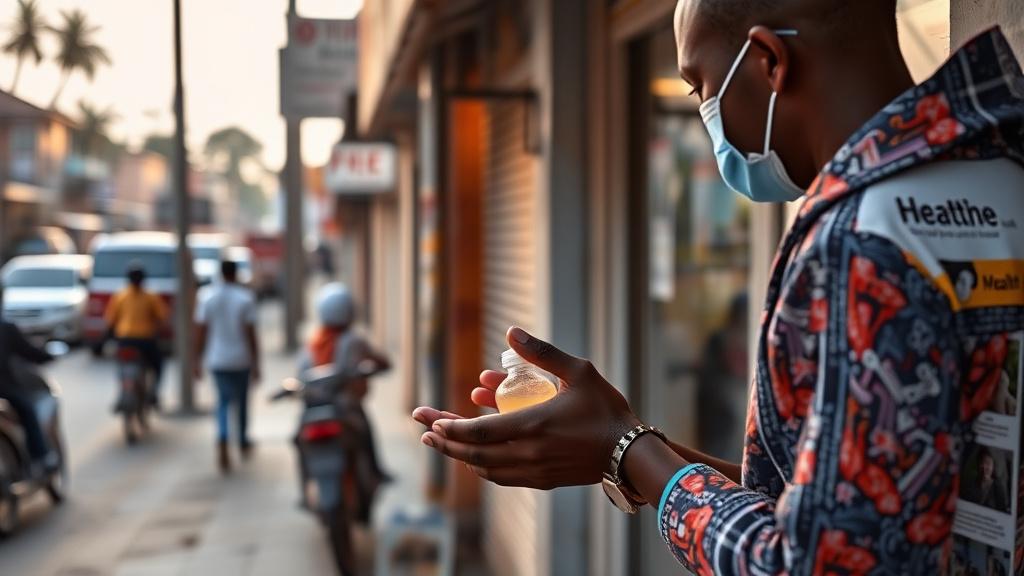
NaijaPodNews brings you essential health updates, and today we focus on the recent resurgence of Monkeypox, now officially known as mpox, and what this means for prevention and treatment within our Nigerian communities. While mpox is not a new disease to Nigeria, understanding its current landscape and how to protect ourselves and our loved ones is crucial.
Mpox is a viral zoonotic disease, meaning it can spread from animals to humans, and then from person to person. It is caused by the monkeypox virus, a member of the orthopoxvirus family, which also includes the virus that causes smallpox. For decades, Nigeria has experienced sporadic outbreaks, primarily in rural areas. However, the recent global outbreak, starting in 2022, brought the virus to urban centers and highlighted the need for renewed vigilance and informed public health strategies. The Nigeria Centre for Disease Control (NCDC) has been at the forefront of monitoring and responding to cases, emphasizing early detection and isolation to prevent wider community spread.
Understanding how mpox spreads is the first step in prevention. The virus primarily transmits through close, direct contact with an infected person or animal, or with contaminated materials. This direct contact includes skin-to-skin contact, respiratory droplets during prolonged face-to-face interactions, and contact with an infected person's lesions, scabs, bodily fluids, or contaminated bedding and clothing. It is important to note that mpox is not typically an airborne disease like measles or tuberculosis; sustained close contact is usually required for transmission.
Here are some key points Nigerians need to know about prevention and treatment in our communities:
1. Prioritize Hygiene and Environmental Cleanliness: Simple yet effective hygiene practices are paramount. Regular handwashing with soap and water, especially after contact with potentially infected individuals or animals, is critical. For instance, if you visit a market where bushmeat is sold, ensure thorough handwashing afterwards. Similarly, maintaining a clean home and work environment, including regular disinfection of frequently touched surfaces, can reduce the risk of transmission. If someone in your household is suspected of having mpox, their bedding and clothing should be handled with gloves and washed separately with hot water and detergent.
2. Avoid Contact with Suspected Cases and Animals: If you encounter someone exhibiting symptoms of mpox, such as a rash with blisters or pustules, fever, headache, or muscle aches, it is advisable to maintain a safe distance and encourage them to seek medical attention. Similarly, avoid contact with wild animals, especially rodents and primates, which can carry the virus. For example, individuals who handle bushmeat should exercise extreme caution, wear protective gear, and cook meat thoroughly to kill any potential viruses. The NCDC has consistently advised against the consumption of inadequately cooked bushmeat during outbreaks.
3. Early Recognition of Symptoms and Prompt Medical Attention: Recognizing the symptoms early is crucial for limiting spread and ensuring effective treatment. The rash, which can resemble pimples or blisters, often starts on the face and spreads to other parts of the body, including the palms of the hands and soles of the feet. Other symptoms can include fever, headache, muscle aches, backache, swollen lymph nodes, and profound weakness. If you or someone you know develops these symptoms, do not self-medicate. Immediately visit a healthcare facility or call the NCDC hotline for guidance. Early diagnosis allows for timely isolation and supportive care, which can prevent severe outcomes.
4. Vaccination for At-Risk Individuals: While not widely available for the general population in Nigeria, vaccines against mpox exist and are recommended for individuals at high risk of exposure. This includes healthcare workers who are likely to come into contact with mpox patients, and laboratory personnel who handle orthopoxviruses. In some contexts, it may also be recommended for close contacts of confirmed cases. It is important to stay informed about NCDC guidelines regarding vaccine availability and eligibility within Nigeria.
5. Supportive Treatment and Symptom Management: For most individuals, mpox is a self-limiting disease, meaning symptoms resolve on their own within two to four weeks. Treatment is primarily supportive, focusing on relieving symptoms and preventing complications. This includes pain relievers for discomfort, fever reducers, and ensuring adequate hydration. In severe cases or for individuals with weakened immune systems, antiviral medications such as tecovirimat may be considered. These treatments are administered under strict medical supervision. It is vital for affected individuals to follow their doctor's advice and maintain good hygiene to prevent secondary bacterial infections of the skin lesions.
In conclusion, while the resurgence of mpox is a concern, an informed and proactive community is our strongest defense. By adhering to good hygiene practices, avoiding risky contacts, recognizing symptoms early, and seeking prompt medical care, we can collectively minimize the impact of mpox in our Nigerian communities. Stay informed through reliable sources like the NCDC and your local health authorities, and remember that collective action and awareness are key to safeguarding public health.
Comments
(0)0/500 · No URLs or profanity allowed
Mpox is back in Nigeria! Learn how to prevent and treat this viral disease spreading from animals to humans.
Related Stories

Dele Oye Warns Nigeria Needs $2.3 Trillion To Tackle Infrastructure Crisis

56yrs old man was arrested for illegally dumping refuse into a drainage in Lagos

Yobe State Government Expands Health Insurance to Retirees
Germany Welcomes American Ebola Patient for Urgent Medical Care

UK Inquest Confirms Nigerian Mother's Suicide After Mental Health Battle