Nigeria's Terror Victims Need More Support for Healing, Remembrance
Terrorism remains a global menace that humanity must continuously confront by fostering "Healing through Memory," the designated theme for the 2026 International Day for the Remembrance of and Tribute to the Victims of Terrorism. This annual observance, held on August 21st, underscores the critical importance of honouring the memory of those who have fallen victim to terrorism, while simultaneously assisting survivors and affected communities in their journey towards recovery and rebuilding, as stated by the United Nations.
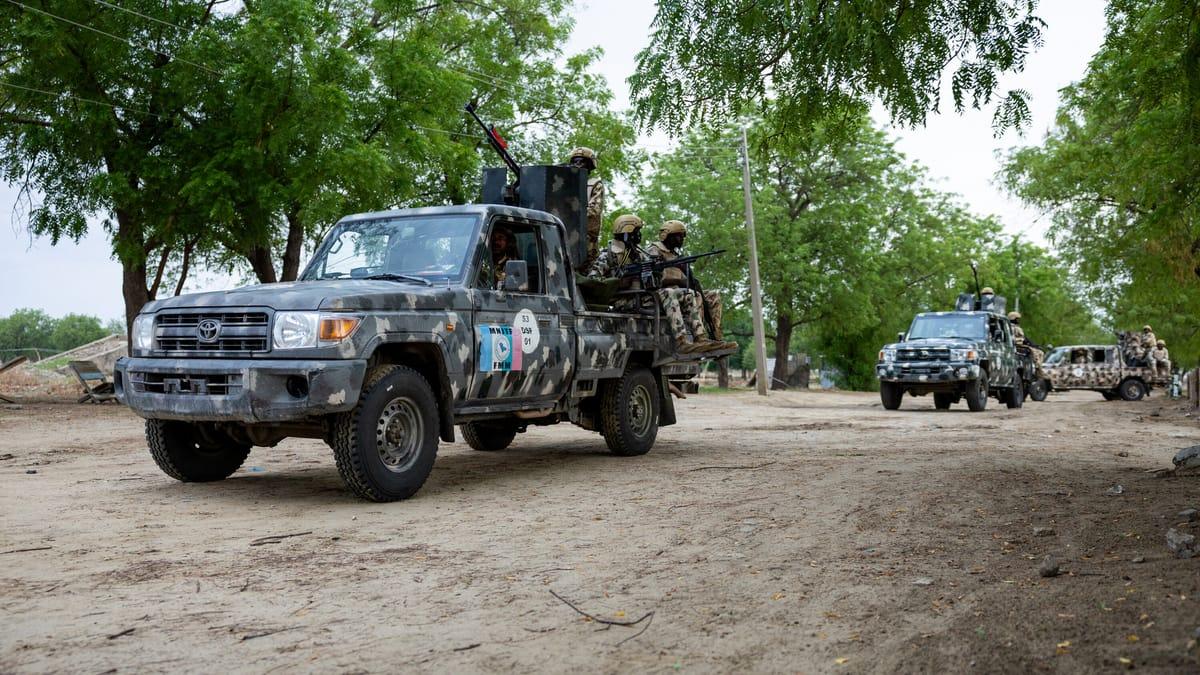
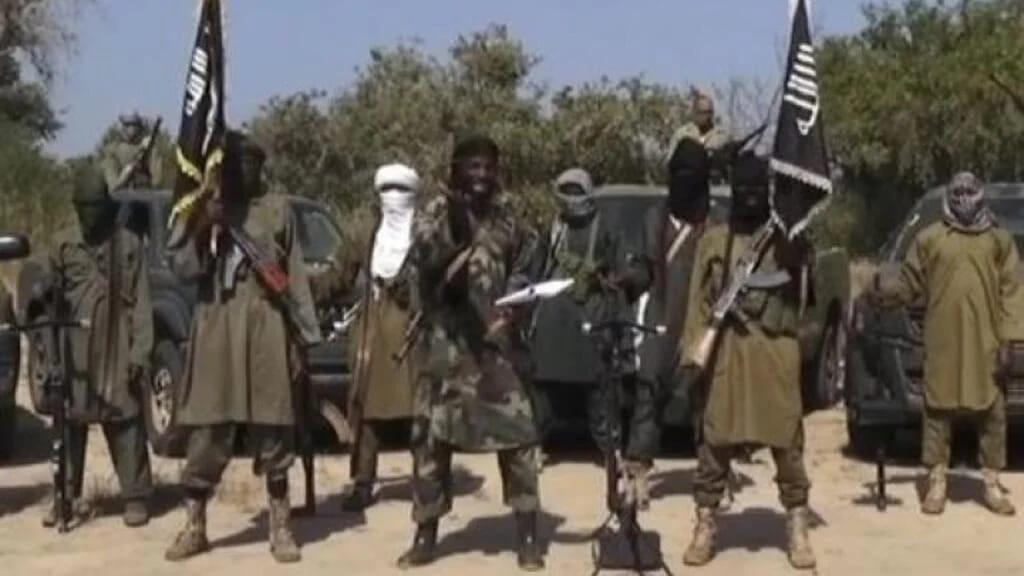
Nigeria has been grappling with the severe consequences of Islamic terrorism since 2009, when Boko Haram initiated its violent campaign against the Nigerian state, primarily in the North-East. According to Vice-President Kashim Shettima, this insurgency has tragically claimed over 100,000 lives and resulted in the abduction of thousands of schoolchildren, including the infamous incidents involving the Chibok and Dapchi girls. This year's theme serves as a powerful reminder to the international community that one of the most potent tools against terrorism is the diligent preservation and responsible narration of victims' experiences. Such narratives must be strategically employed to bolster counter-terrorism efforts and elevate the global campaign against this scourge.
Across the globe, countless harrowing accounts illustrate how terrorism has shattered societies and inflicted enduring pain and suffering. Understandably, these experiences can ignite anger and a desire for retribution among survivors and those connected to victims through familial or other bonds. However, the act of remembrance should instead champion proper memorialisation and collective memory as vital instruments for helping survivors and communities heal and reconstruct their lives. Rather than recalling painful events in ways that cultivate hatred and vengeance, remembrance ought to challenge humanity to prevent the manipulation of victims' stories for the propagation of hate, particularly across digital platforms. These memories should inspire healing and reinforce the necessity of maintaining respectful and secure digital and public spaces, thereby preventing victims from enduring further trauma. This approach also reaffirms the worldwide commitment to assisting survivors and ensuring their voices are central to all counter-terrorism initiatives.
Vision of Humanity reports that Sub-Saharan Africa and South Asia continue to be major global epicentres of terrorism, with almost 70 percent of the world's 5,582 terrorism-related deaths in 2025 occurring across Pakistan, Burkina Faso, Niger Republic, Nigeria, and Mali. Specific figures for the Sahel nations—Nigeria, Mali, Burkina Faso, and Niger Republic—account for several thousand fatalities, as detailed in the Global Terrorism Index. The Rabdan Security and Defence Institute further confirms that the Sahel region in Sub-Saharan Africa remains the most critical hotbed of global terrorism, hosting some of the world's deadliest terrorist organizations, including Islamic State affiliates like ISWAP and Boko Haram, alongside Jamaat Nusrat Al-Islam wal Muslimeen. Pakistan is still contending with Tehrik-e-Taliban Pakistan, while al-Shabaab remains a lethal terrorist group primarily active in East Africa, also implicated in some attacks within Nigeria.
FIJ Nigeria's comprehensive tracking data indicates over 5,091 violent deaths from various security incidents, including insurgency, clashes, and banditry, recorded over a multi-month monitoring period in Nigeria. The Global Terrorism Index (GTI) is also quoted as ranking Nigeria fourth globally, with 750 terrorism fatalities in the preceding year, while broader conflict-tracking reports project thousands more deaths into mid-2026. The number of internally displaced persons (IDPs) in Nigeria is estimated to range from 3.5 million to over eight million, depending on whether broader systemic, climatic, and long-term conflict-related displacement data from agencies like UNHCR Nigeria and the International Organisation for Migration are included.
Given this grim reality, the 2026 theme makes it imperative for governments affected by terrorism to intensify efforts in helping victims recover from its profound psychological and social repercussions. Terrorism disrupts lives and livelihoods, devastates communities, and leads to irreparable loss of life. Terrorists inflict immense suffering on their hostages and victims in pursuit of their malevolent goals, driven by factors such as religious extremism, communal conflicts, illegal mining, and political agendas. In most instances, they exhibit minimal regard for the extensive human and economic costs of their atrocities. It is, however, crucial that measures to combat terrorism do not compromise institutional memory. The rehabilitation and reintegration of terrorists into society must be approached with extreme caution and within a clearly defined legal and security framework. Salafist terrorists, particularly, have frequently demonstrated a propensity to revert to violent extremism. Therefore, states must ensure their laws effectively penalise terrorism and deter potential perpetrators.
Comments
(0)0/500 · No URLs or profanity allowed
Na serious matter say terror victims for Naija still dey suffer, even as dem don talk say make we remember and help dem heal. Government gats do more than just talk; dem need to put proper support in place so these people fit rebuild their lives and no fall victim again to bad memories wey fit cause more wahala.
Source: Punch NG
Related Stories
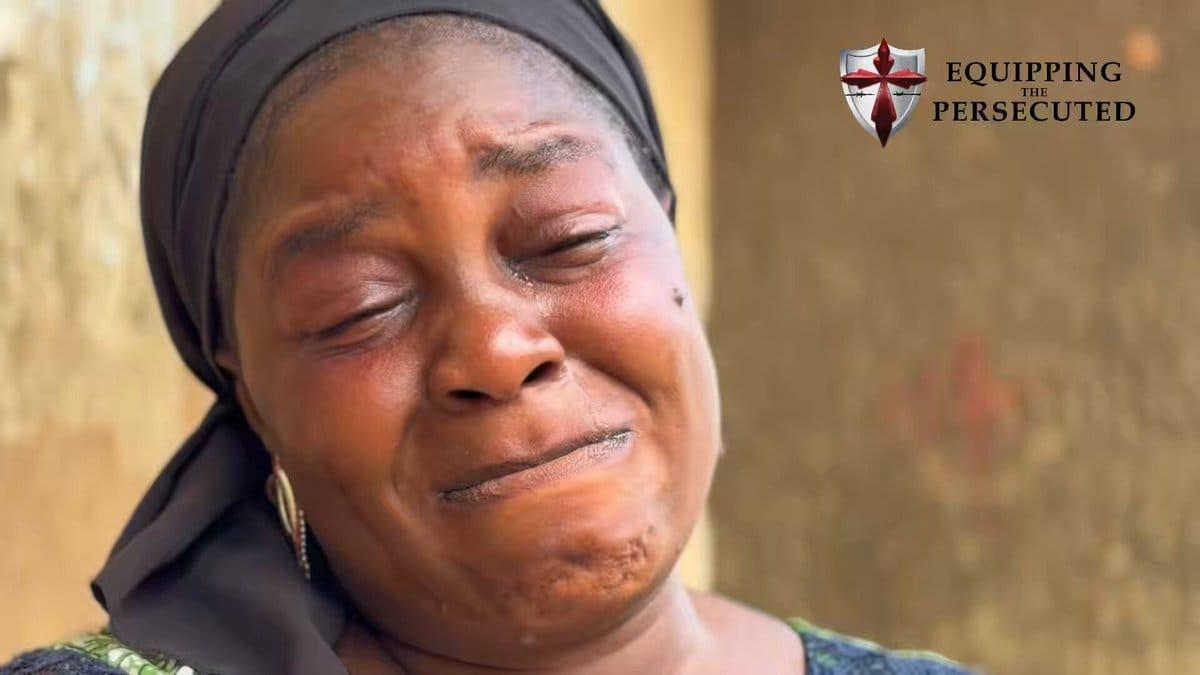
Terrorists killed her first husband and second husband.
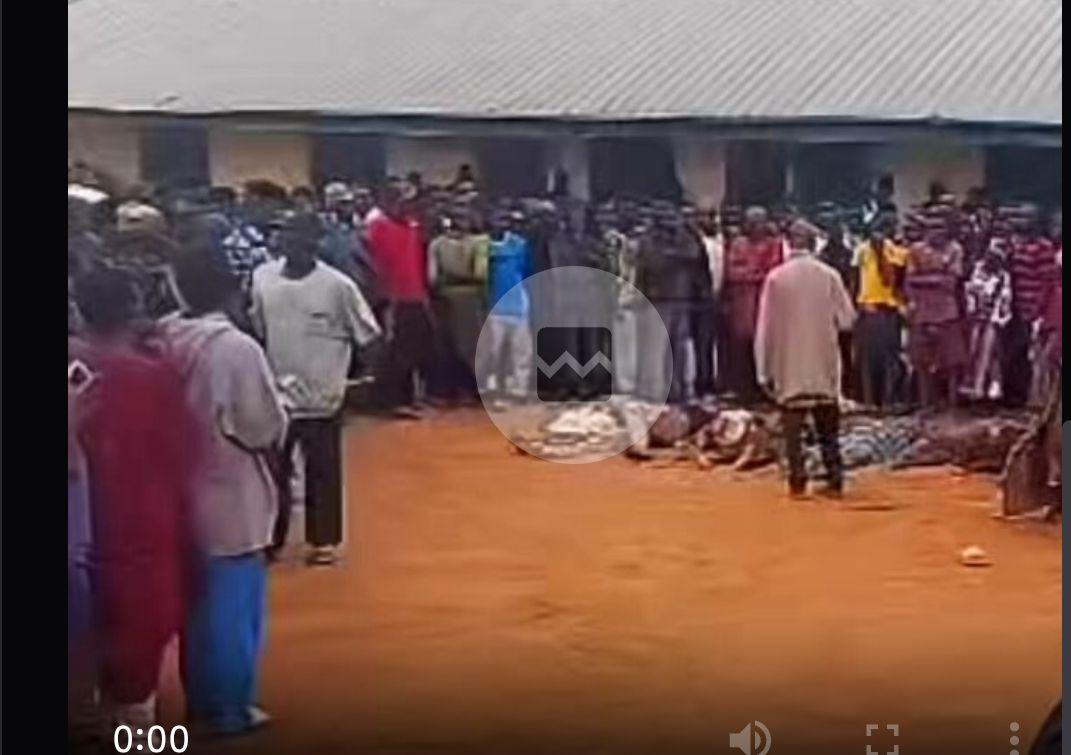
BREAKING: Gunmen Kill At Least 30, Including Women, Children, In Fresh Southern Kaduna Attack
UN Reveals Terrorists Using Drones, Crypto for Sahel, Nigeria Attacks

UK Designates Iran's IRGC as Security Threat, Criminalizes Support
NAF Air Component Delivers Devastating Blow to Borno Terrorist Stronghold