Lawyer Alapinni Rejects 'Pre-Decided' 2027 Election Outcome Claims

Full Story
Kola Alapinni, a prominent human rights attorney and recipient of the U.S. Secretary of State Award for International Religious Freedom, has issued a strong caution against concluding that the 2027 presidential election results are already settled. His statement, released on Monday and titled “A Forecast Is Not a Verdict: Why The Economist Misreads 2027,” directly challenged The Economist magazine's analysis regarding potential influences on the upcoming elections, particularly concerning issues like widespread insecurity, vote-buying, and alleged manipulation of election logistics.
In an October 1 report titled, “Nigerians Dislike Their President, But May Re-elect Him Anyway,” The Economist had suggested several elements that could potentially benefit President Bola Tinubu, even amidst public dissatisfaction with his government. These factors included the advantage of incumbency, a fragmented opposition, the role of religion, voter turnout dynamics, and a general sense of political cynicism among the populace.
However, Alapinni contended that the magazine mistakenly transformed prevailing political conditions into definitive predictions about the election's ultimate conclusion. He emphasized, "A forecast is not a verdict," asserting that the specific political circumstances of the 2023 elections should not be directly extrapolated to the 2027 contest.
Specifically, Alapinni raised doubts about The Economist’s claim that a fractured opposition inherently offers a structural advantage to the sitting government. While he conceded that a failure by key opposition figures to unite under a single banner could indeed favour the ruling party, he stressed that the political landscape remains highly dynamic in the lead-up to the election. He stated, "The Economist’s error is to treat the absence of a coalition today as proof that none can be punished into existence by January."
Furthermore, Alapinni challenged the notion that religious affiliation would inevitably dictate voting trends across the Northern and Middle Belt regions. He pointed to The Economist's own reference to SBM Intelligence polling data, which, in his view, indicated President Tinubu was behind Peter Obi and Atiku Abubakar in Borno State. "Low expectations are not consent," Alapinni penned, suggesting that pressing issues like insecurity and economic difficulties are more likely to shape how people vote. He added that the situation in the Middle Belt, especially in Plateau and Benue states, demands a more intricate evaluation than one solely focused on religious identity. He highlighted that insecurity, population displacement, and disruptions to agricultural communities could impact both electoral choices and the ability of residents to access polling stations, potentially preventing some affected areas from full electoral participation.
Alapinni also dismissed the idea that political cynicism would inevitably lead to voter apathy. He asserted, "That misreads anger as apathy," suggesting that Nigerians grappling with insecurity, severe economic hardship, and inadequate public services might instead view the upcoming elections as a vital platform to voice their discontent. He further pointed to the reliability of electricity supply as a crucial factor that could influence voters' perceptions of the current administration. The lawyer questioned reports of significant expenditures on solar power infrastructure at the Presidential Villa, contrasting it with the reality of countless homes and businesses still dependent on generators or struggling with erratic power. He unequivocally stated, "If he does not provide power, he should not be voted for. That is the test the magazine never sets."
Nevertheless, Alapinni did concede certain points raised by The Economist, particularly concerning the inherent advantages held by incumbent governments. He concurred that ruling parties often leverage robust political structures, significant financial backing, and established voter mobilization strategies. Similarly, he agreed that a fractured opposition complicates efforts for challengers to unify their support base. While acknowledging that insecurity and vote-buying pose genuine threats to the integrity of the 2027 election, he cautioned against interpreting these risks as definitive proof that the outcome is already sealed. He articulated, "Influence over logistics and security agencies is a real risk. It is not proof that INEC will write a result."
In his concluding remarks, Alapinni reiterated that while incumbency offers an advantage, it must not be mistaken for public endorsement. He explained, "A forecast that the disliked incumbent may survive is a statement about cash, split votes, and unsafe roads. It is not a statement that the record has been accepted." He stressed that the ultimate result would largely hinge on the ability of Nigerians to actively participate in the electoral process and exercise their voting rights. Alapinni ended with a cautionary note: "Neither camp should read this as arrival. A week is a long time in politics. It is not yet Uhuru."
Gallery

Comments
(0)0/500 · No URLs or profanity allowed
Oga Alapinni don tell us say make we no conclude for 2027 election matter, say forecast no be verdict. Him say even if The Economist talk say Tinubu fit win because opposition scatter, Nigerians wey dey vex for poor light and insecurity go show dem pepper for ballot box. We go dey watch sha!
Source: Punch NG
Related Stories
Ogun CityBoy Movement Mobilizes for Two Million Tinubu Votes, Backs Yayi's 2027 Bid
Okpebholo Threatens Contractor's Arrest for Deserted Benin-Abraka Project
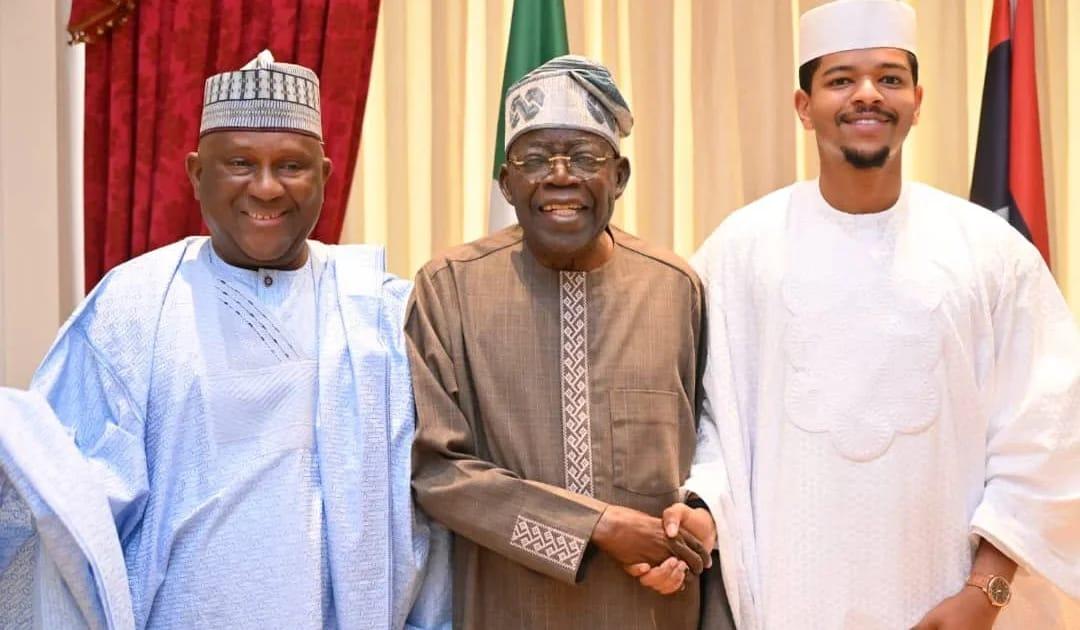
BUA Boss Rabiu, Son Visit President Tinubu for Nigeria's 66th Independence Celebration

SDP's Peter Obafemi Declares 2027 Senate Bid for Ekiti North

CAN Ready to Call Out Government on Citizen Welfare, Says Okoh