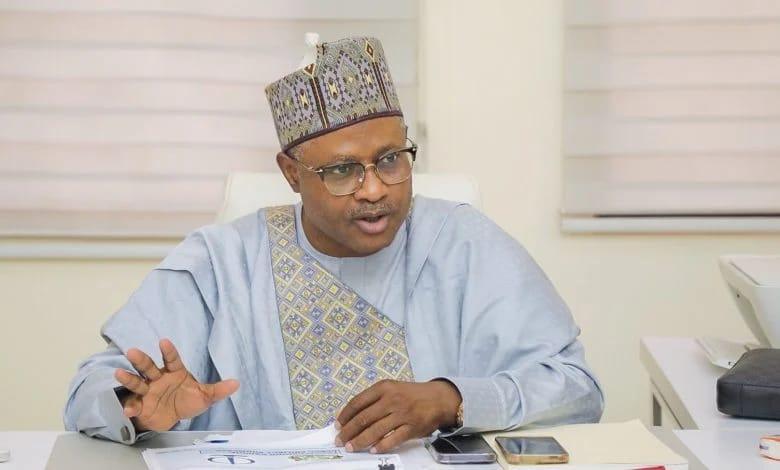
Kaduna Cleric Urges 2027 Aspirants: Tell Nigerians Economic Truths
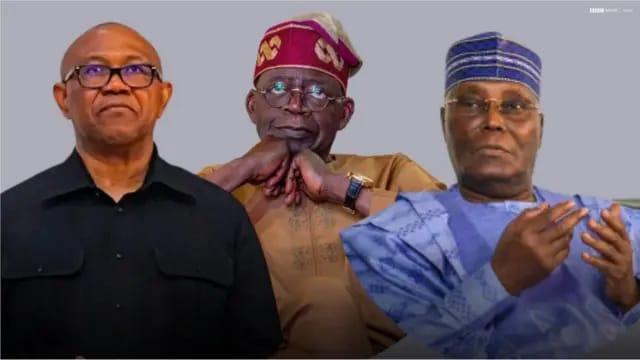
Full Story
Sheikh Haliru Maraya, an esteemed Islamic scholar based in Kaduna and a former Special Adviser to two Kaduna State governors, has issued a stern warning to politicians aspiring for elective offices in the upcoming 2027 general elections. Maraya cautioned against the practice of making unattainable promises to the Nigerian populace purely to secure votes.
Speaking in Kaduna on Sunday, while reacting to calls by certain politicians for the return of fuel subsidy, the cleric impressed upon presidential hopefuls and other political figures the need to be transparent with Nigerians regarding the country's current economic state. He emphasized that leaders should communicate what the government can realistically achieve, rather than offering false hopes.
According to Sheikh Maraya, politicians should resist the urge to exploit the economic hardships faced by Nigerians by making pledges they know cannot be fulfilled once in power. "Presidential candidates should always tell people the truth. They should not deceive Nigerians simply because they want to win votes. God does not like lies and deception," he stated.
Maraya further argued that Nigeria's prevailing economic conditions cannot sustain a return to the fuel subsidy regime, describing it as an immense financial burden. "At present, Nigeria’s economy, to be honest, cannot afford to continue paying fuel subsidies as it did in the past. If the subsidy is brought back, the economy could collapse within a short time, and the government may be unable to do other important things," he explained.
He cited available estimates indicating Nigeria's daily petrol consumption ranges from 47 million to 64 million litres, with the total cost per litre—including refining, transportation, insurance, and customs charges—estimated at approximately N1,218. The scholar highlighted that reinstating the subsidy would compel the Federal Government to commit colossal resources that could otherwise be directed towards critical infrastructure and other developmental initiatives.
"If Nigeria takes on the cost of the subsidy as it did in the past, it would spend about N52.3bn every day. That would amount to about N1.6tn every month and more than N19tn every year," Maraya revealed. He questioned the source of such substantial funds, especially in light of the country's N68.3tn 2026 budget, and implored politicians to carefully consider the economic ramifications of their campaign promises before presenting them to the electorate.
"People should not make promises they cannot fulfil simply because they want votes and political power. Later, such a person may come back and apologise to Nigerians, saying that they did not know how difficult the situation was," he added. Maraya stressed Nigeria's urgent need for courageous leaders who are prepared to be candid with citizens about the economy and make difficult decisions in the national interest. "We Nigerians need leaders who will tell us the truth about the state of our economy and then take the right decisions concerning the removal of fuel subsidy," he said.
The cleric also appealed to Nigerians for patience concerning the removal of the subsidy, asserting that funds previously allocated to petrol subsidization could be rechanneled into development projects. "We should be patient with the removal of the subsidy because the government was spending N52bn every day on it. The money saved can be used to carry out other development projects for the country and its people," Maraya urged.
However, he called on the Federal Government to prioritize the rehabilitation of existing refineries and facilitate the establishment of new ones to lessen Nigeria’s reliance on imported petroleum products. "We hope Nigerians will continue to be patient until our four refineries are repaired. We also hope that new refineries will be built in the future so that some of the problems we are facing in the country can be solved," he expressed.
Maraya acknowledged that Nigerians would ideally prefer a smoother transition post-subsidy removal but noted that the nation's economic realities necessitate tough choices. "We all prefer everything to go smoothly, but Allah did not make it happen that way," he concluded. The former special adviser warned that restoring fuel subsidy without a sustainable financial strategy could further strain public finances, stifle economic activity, and negatively impact government operations.
Comments
(0)0/500 · No URLs or profanity allowed
Dis cleric don tell politicians say make dem no dey promise wetin dem no fit do for 2027, especially on top fuel subsidy matter. E say make dem tell Nigerians truth about di economy. Na true talk sha, because 'packaging' too much fit cause wahala later.
Source: Punch NG
Related Stories
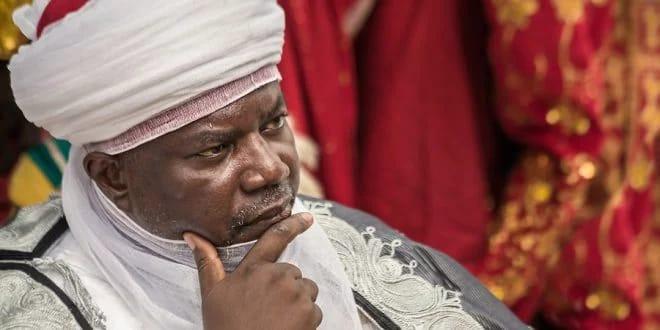
Argungu Emir Gives Royal Backing to Kebbi Governor for 2027 Second Term

Ogun Monarch Calls for Rigorous Vetting of 2027 Guber Aspirants
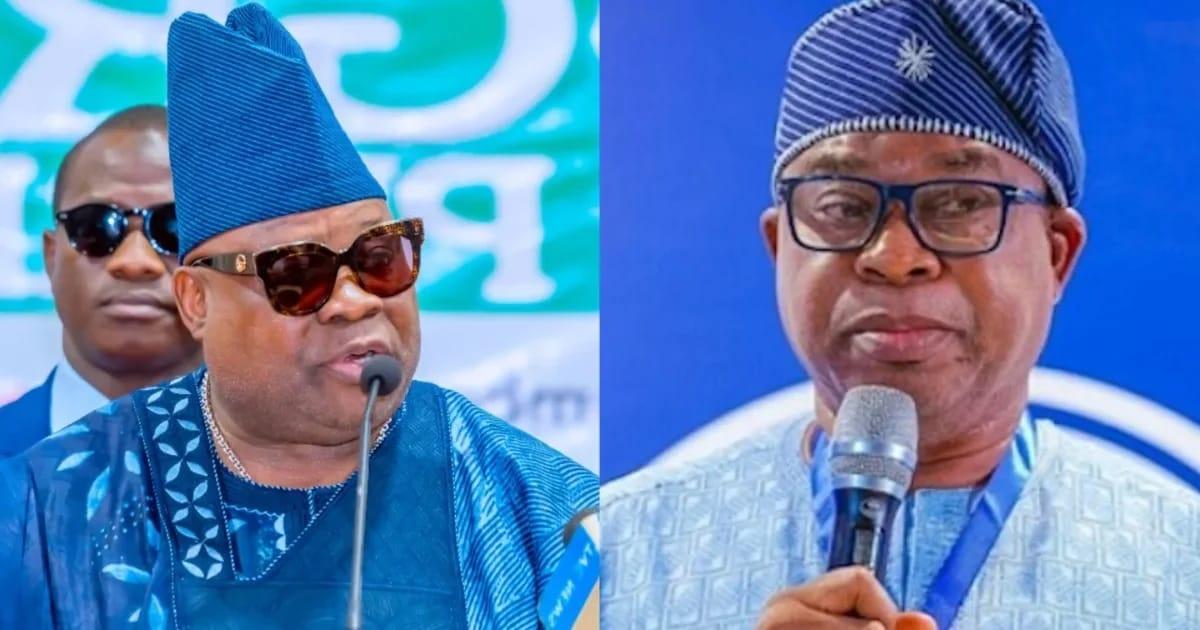
Oyebamiji Acknowledges Adeleke's Osun Victory, APC Pledges Continued Justice Pursuit
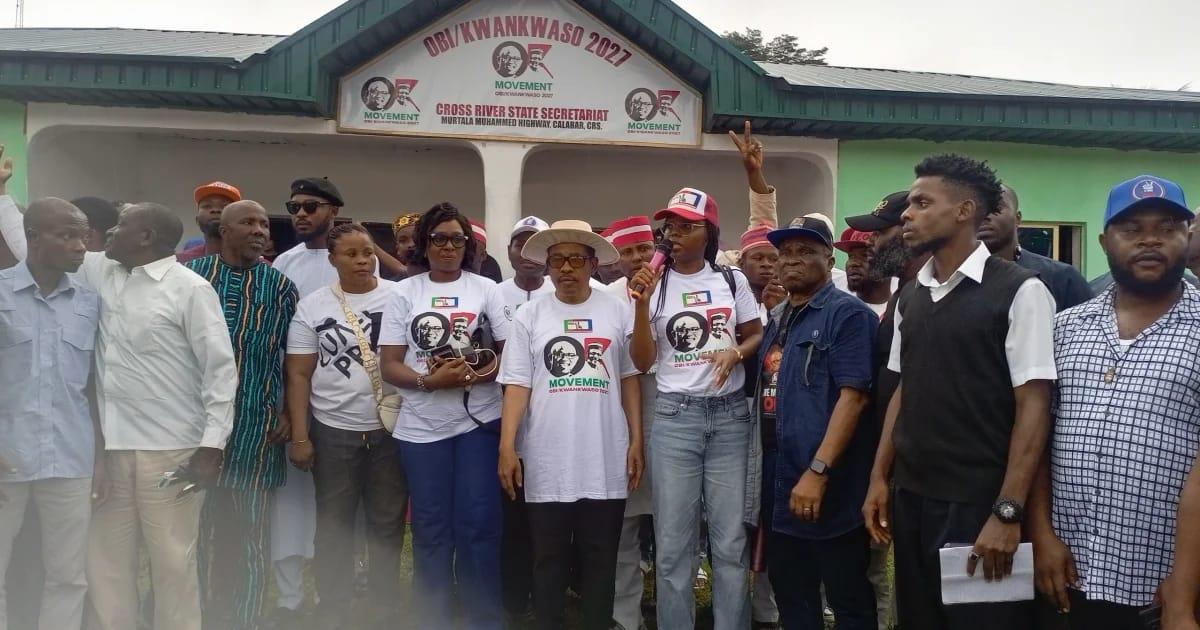
Cross River: Obi-Kwankwaso Movement Commissions Secretariat, Installs State Executives
Data Neutrality Concern: CITAD Urges NIMC Boss to Exit APC Campaign Role