UK Introduces New Timeframe to Expedite Asylum Appeals
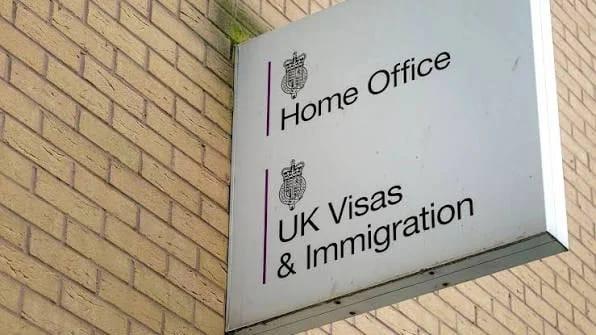
In a bid to tackle the lengthy waiting times for asylum and immigration appeal decisions, the UK government has set a new target of 24 weeks for the First-tier Tribunal to hear cases. This move, which took effect on August 12, aims to accelerate the removal of individuals with no right to remain in the country and reduce the financial burden on taxpayers. The current average wait time for a case to be decided by a judge stands at 67 weeks, a situation the government seeks to change with the introduction of this new target. According to the UK Home Office, the First-tier Tribunal will now be expected to hear cases within 24 weeks of receiving them, which applies to new asylum and immigration appeals involving non-detained foreign national offenders and individuals receiving asylum support and accommodation. Minister for Border Security and Asylum, Anna Turley, expressed concerns over the existing system, stating that it has been hindered by lengthy delays. 'For too long, asylum and immigration appeals have been plagued by delays, leaving taxpayers to foot the bill while cases drag on for months and sometimes years. This new 24-week target will see cases resolved faster, reduce reliance on taxpayer-funded accommodation and speed up the removal of those with no right to be in the UK,' Turley said. The Home Office noted that over 150,000 appeals are still pending, despite the efforts of the judiciary. To address this backlog, the government is working on wider reforms, including the introduction of an Independent Immigration Appeals Authority (IIAA) through the Immigration and Asylum Bill. The IIAA is expected to provide a simpler and faster route for deciding appeals, operating alongside the First-tier Tribunal initially before taking on new cases and allowing the tribunal to clear its existing backlog. The introduction of the IIAA will enable independent adjudicators to prioritize cases based on urgency and public interest, including high-harm foreign national offenders and dubious human rights claims. These changes are part of the government's efforts to reduce the costs associated with supporting asylum seekers while increasing the number of removals. The government reported a £1 billion reduction in asylum costs since the 2024 general election and reaffirmed its commitment to ending the use of asylum hotels. With fewer than 170 asylum hotels currently in use, down from a peak of 400 in 2023, the government aims to close every remaining hotel by the end of the current parliament. The number of foreign national offenders removed from the UK has also increased, with nearly 10,000 individuals removed, representing a 36% rise compared to the 21 months prior to the election. The new timeframe is expected to ensure that appeals involving non-detained foreign national offenders are expedited, in addition to those already prioritized by the judiciary. To increase capacity in the appeals system, the government is set to raise the number of sitting days in the First-tier Tribunal Immigration and Asylum Chamber by 19% this year, allowing more cases to be heard and decisions to be made more quickly. The government anticipates that these measures will contribute to significant taxpayer savings, estimated at £6.9 billion, through faster removals, reduced reliance on asylum accommodation, and lower associated costs.
Comments
(0)0/500 · No URLs or profanity allowed
UK government don introduce new rule for asylum appeal, dem say na to make am faster, but we go see whether e go really work or na just talk.
Source: Punch NG
Related Stories

Nigerians' Faith in Elections Wanes Due to Violence, Vote-Buying - NOA

Kogi State Government's N5m Levy on Campaign Billboards Sparks Controversy

Governor Idris Establishes New Administrative District in Kebbi State

APC Condemns Osun Violence, Urges Justice for Perpetrators

Adeleke's Campaign Urges IG Protection for Accord Party Members in Osun Election