Senate Confirms Federal Police Can Tackle Electoral Misconduct Under State Police Law
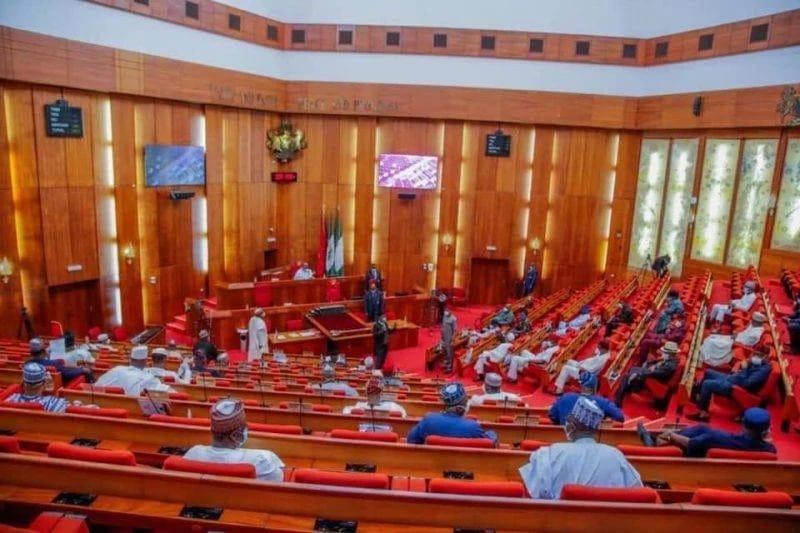
Nigeria's Senate has assured the public that the proposed State Police Bill includes robust constitutional provisions allowing the federal police to step in during instances of electoral manipulation, severe human rights abuses, and threats to national security. This statement, released on Sunday, aims to address fears that state governors might misuse the decentralized policing structure for political gain. The upper legislative body also defended its recent approval of the Constitution of the Federal Republic of Nigeria (Alteration) (State Police) Bill, 2026, highlighting that 84 out of 109 senators endorsed the legislation during its detailed clause-by-clause review, signaling significant cross-party support. This explanation comes amidst ongoing discussions about devolving police powers, where proponents argue for enhanced grassroots security, while detractors worry about governors potentially using state police to suppress political rivals before elections.
In a statement from his media office on Sunday, Senate Leader Opeyemi Bamidele elaborated on the Senate's stance. He affirmed that the proposed constitutional amendment precisely outlines the duties of both federal and state police forces, aiming to reduce operational clashes and foster better security collaboration. Bamidele clarified that the federal police would retain responsibility for safeguarding federal establishments, policing the Federal Capital Territory, counter-terrorism operations, combating organised crime, cybercrime, securing borders, addressing arms trafficking, managing interstate criminal activities, and other issues pertaining to national security. Conversely, the state police would be tasked with upholding state laws, preserving public order, and ensuring the safety of lives and property within their respective territories.
Furthermore, Bamidele pointed out that the bill incorporates various protective measures to deter governors from misusing state police powers. He specified that while governors would have the authority to propose candidates for police commissioners, these appointments would necessitate endorsements from the National Police Council and a two-thirds majority vote from the respective state House of Assembly. The Senate Leader further stated that the National Police Council would be responsible for supervising general policy, financial matters, and appointments, with an autonomous State Police Service Commission established to govern state police operations independently of state governors' influence.
Detailing the specific conditions under which federal police intervention would be allowed, Bamidele stressed that such actions are reserved for extraordinary circumstances. He quoted, “The intervention can only be granted when there is an outright breakdown of public order; where a state police service is incapable of functioning; where there are serious abuses of fundamental rights; where there is partisan or electoral intimidation; and when national security is heavily strained and threatened.” He also highlighted the creation of the State Police Service Commission within the bill to prevent any potential misuse. “In design, the commission will serve as the regulatory authority of the state police system,” he explained, adding that this body would be empowered “‘to, without the approval or control of the governor, make rules regulating its own procedure or conferring powers and imposing duties on any officer or authority for the purpose of discharging its functions under the 1999 Constitution.’”
Bamidele further refuted allegations that the state police initiative was driven by political motives. He maintained that the proposal resulted from broad consultations involving the executive arm of government, the Nigeria Governors’ Forum, the Conference of Speakers of State Legislatures, and the leadership of the Nigeria Police Force. The senator from Ekiti State also revealed that public hearings conducted nationwide across all six geopolitical zones in July 2025 demonstrated strong public backing for the establishment of state police.
He stated, “The state police bill was subjected to intense debates at the Senate and House of Representatives. Even though the All Progressives Congress is the majority party, opposition legislators actively took part in the process that approved the state police initiative. They exercised their discretion in favour of the proposal, mainly in the national interest and not on a parochial basis. In the Senate, for instance, 84 out of 109 members voted clause by clause in support of the Bill. This accounted for 77.06 per cent approval at the Senate alone.”
Bamidele reiterated that the aim of the proposed constitutional amendment is to boost accountability and guarantee that the establishment of state police contributes to national security, rather than eroding democratic principles or infringing upon citizens' fundamental rights.
Comments
(0)0/500 · No URLs or profanity allowed
Dis matter of state police don dey hot for long, but Senate say dem don put plenty kondo inside so governors no go carry am do shakara. We go just dey watch if dis new arrangement go truly bring peace or just more wahala.
Source: Punch NG
Related Stories

INEC, U-Blaze Global Team Up for Ondo Voter Registration Push

High Court Stops Lagos Move Against 80-Year-Old Widow's Lekki Estate

Oyo APC Unveils Reconciliation Team Led by Lanlehin, Adedoja for 2027
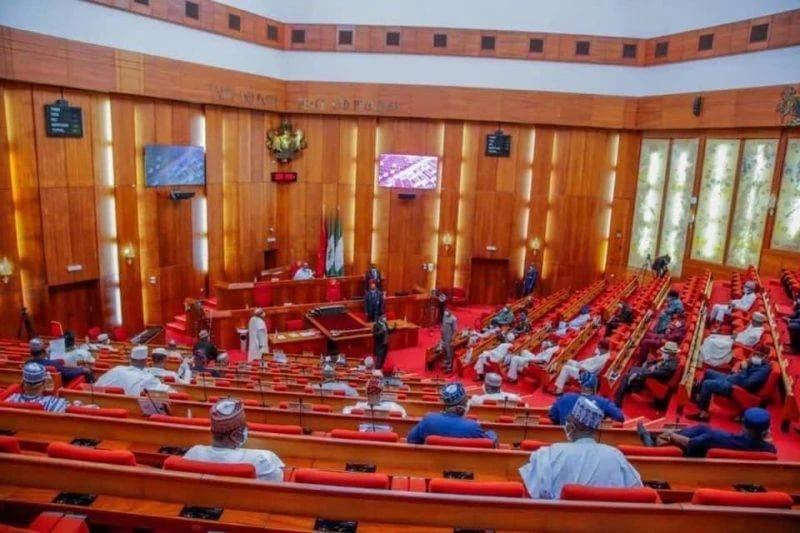
N1.3bn Fake Agency Budget Scandal: Senate Resumes Tuesday to Deliberate

Ondo Governor Aiyedatiwa: Appreciate Family, Friends While Alive