Why Nigeria’s Political Space Is Still a Closed Circle — And Why the Youth Are Being Shut Out
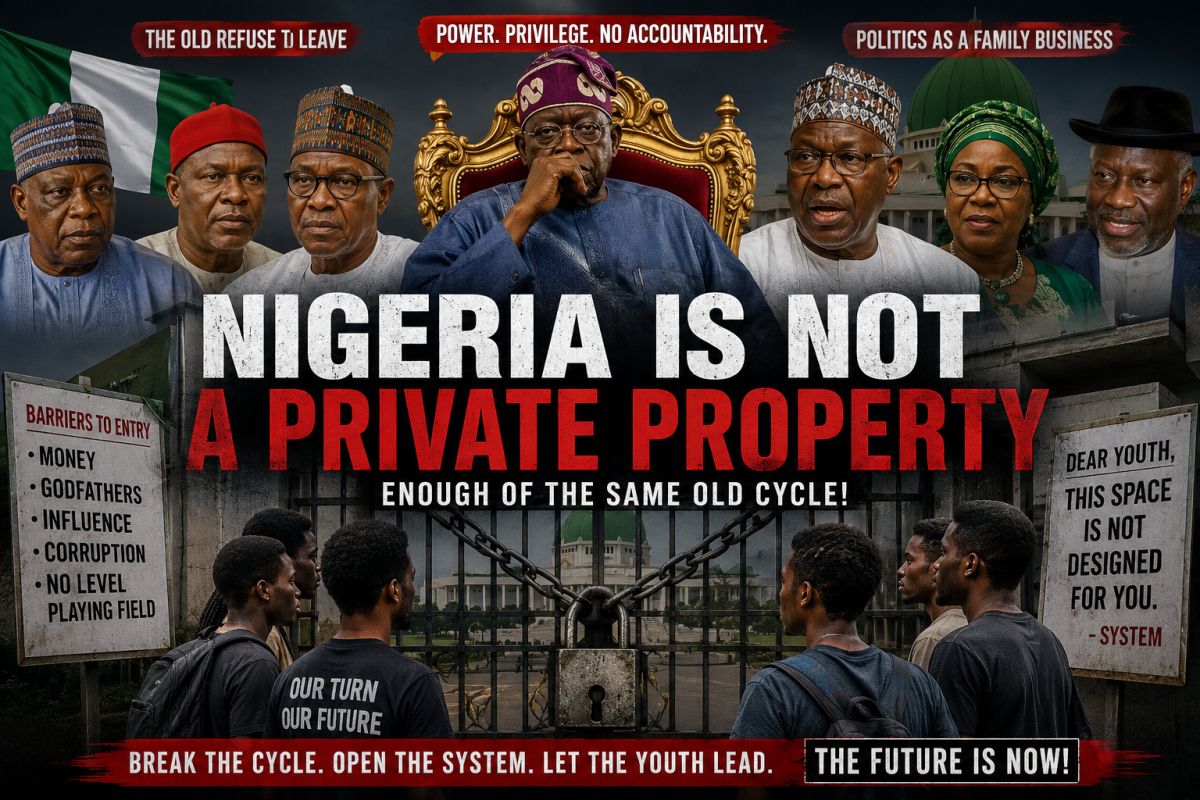
Why Nigeria’s Political Space Is Still a Closed Circle — And Why the Youth Are Being Shut Out
Let’s stop pretending.
Nigeria’s political space is still largely controlled by the same circle of people who have been there for decades — and many of them show no real intention of leaving. Power, once acquired, is treated like personal property, not a public responsibility.
Every election season, we hear the same speeches about “youth inclusion” and “future leaders,” yet the structure remains the same. The young are told to wait, while the old continue to dominate, recycle themselves, and in many cases, pass influence directly to their children.
This is not democracy in practice — it is political inheritance.
Political Power Is Becoming a Family Business
Across the country, we are now seeing a clear pattern: political offices and influence circulating within families.
In Delta State, the political legacy of James Ibori is still visible through his daughter, Erhiatake Ibori-Suenu, who now sits in the House of Representatives.
In Oyo State, Olamijuwonlo Alao-Akala, son of the late former Governor Adebayo Alao-Akala, has also taken up a seat in the House of Representatives, continuing the family’s political presence.
In Kaduna State, Bello El-Rufai, son of former Governor Nasir El-Rufai, is also in the National Assembly, reinforcing the same pattern of inherited political influence.
These are not isolated cases — they are part of a system where access is increasingly determined by surname, not merit.
And while ordinary Nigerian youths are told to “participate in politics,” the same political system quietly builds barriers that make entry almost impossible without money, godfathers, or connections.
A System Designed to Exclude
Let’s be honest: Nigerian politics is not structured for the average young person to succeed.
The cost of entry is outrageous. Party structures are controlled. Primaries are often monetized. Loyalty to political godfathers is rewarded more than competence or vision.
So what happens?
Good, capable young Nigerians step back. Not because they are not interested — but because they see the system for what it is: exhausting, expensive, and often rigged.
Meanwhile, those already inside the system continue to recycle power among themselves and their networks.
Greed, Power, and No Accountability
At the heart of this crisis is something deeper: a culture of entitlement.
Too many political actors behave as if Nigeria is a resource to be managed for personal and family benefit. Public office becomes a pipeline for influence, contracts, and long-term control — not service.
And when accountability systems are weak or inconsistent, it reinforces the belief that anything can be done and nothing will happen.
This is why the same cycle continues.
Why Young People Are Walking Away
The most dangerous outcome of all this is not just exclusion — it is withdrawal.
Many young Nigerians are no longer even trying to enter the political space. Not because they don’t care, but because they believe the system is already decided.
And when good people exit politics, the vacuum is filled by the same entrenched interests.
That is how bad systems survive.
Final Truth
If Nigeria truly wants change, it cannot continue recycling the same political class while expecting different results.
Democracy cannot grow where access is inherited, opposition is weakened by structure, and youth participation is treated as a slogan instead of a reality.
Until the system is opened up — genuinely, not rhetorically — the anger, frustration, and disengagement of young Nigerians will only continue to grow.
Comments
(0)0/500 · No URLs or profanity allowed
Why Nigeria’s Political Space Is Still a Closed Circle — And Why the Youth Are Being Shut Out Let’s stop pretending. Nigeria’s political space is still largely controlled by the same circle of people who have been there for decades — and many of them show no real intention of leaving. Power, once acquired, is treated like personal property, not a public responsibility. Every election season, we hear the same speeches about “youth inclusion” and “future leaders,” yet the structure remains the same. The young are told to wait, while the old continue to dominate, recycle themselves, and in many cases, pass influence directly to their children. This is not democracy in practice — it is political inheritance. Political Power Is Becoming a Family Business Across the country, we are now seeing a clear pattern: political offices and influence circulating within families. In Delta State, the political legacy of James Ibori is still visible through his daughter, Erhiatake Ibori-Suenu, who now sits in the House of Representatives.
Related Stories

16DaysLater: The Children Are Still Missing While Leaders Play Politics
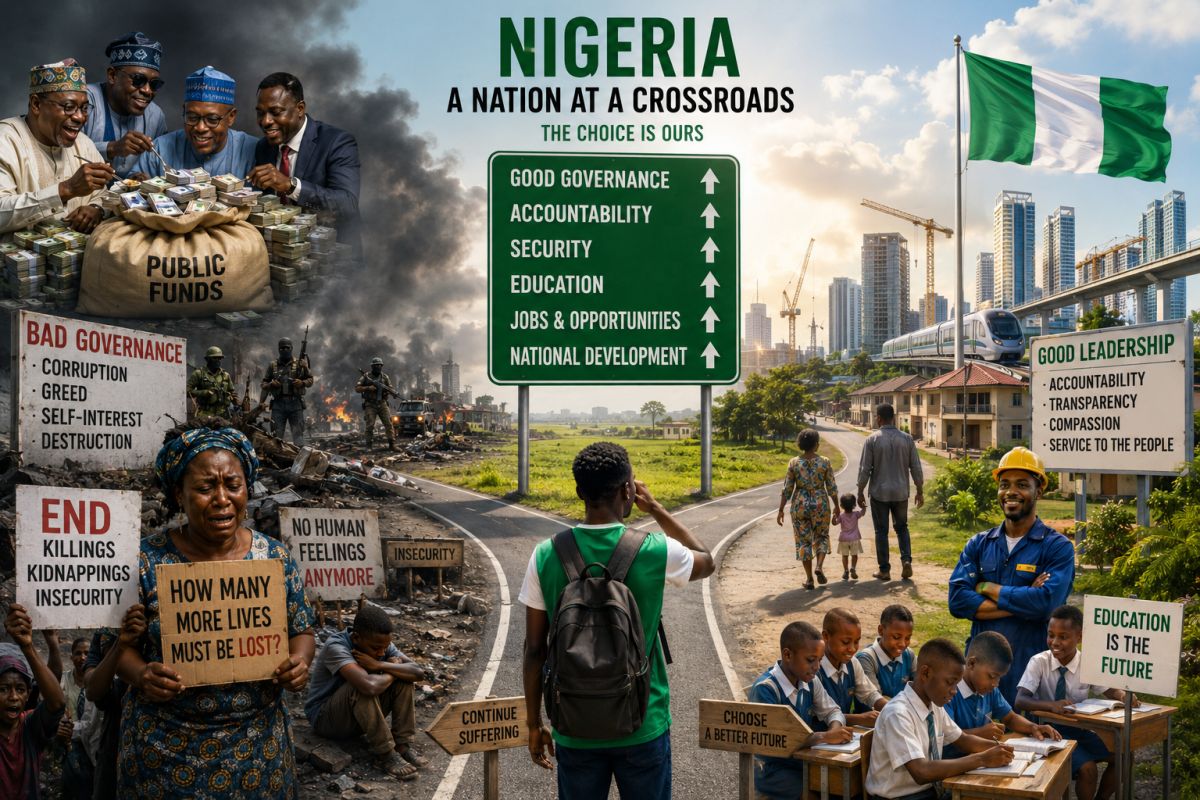
A Nation Slowly Losing Its Soul: Nigerian at a cross road.

What Happens to Your Brain When You Scroll TikTok for Hours?
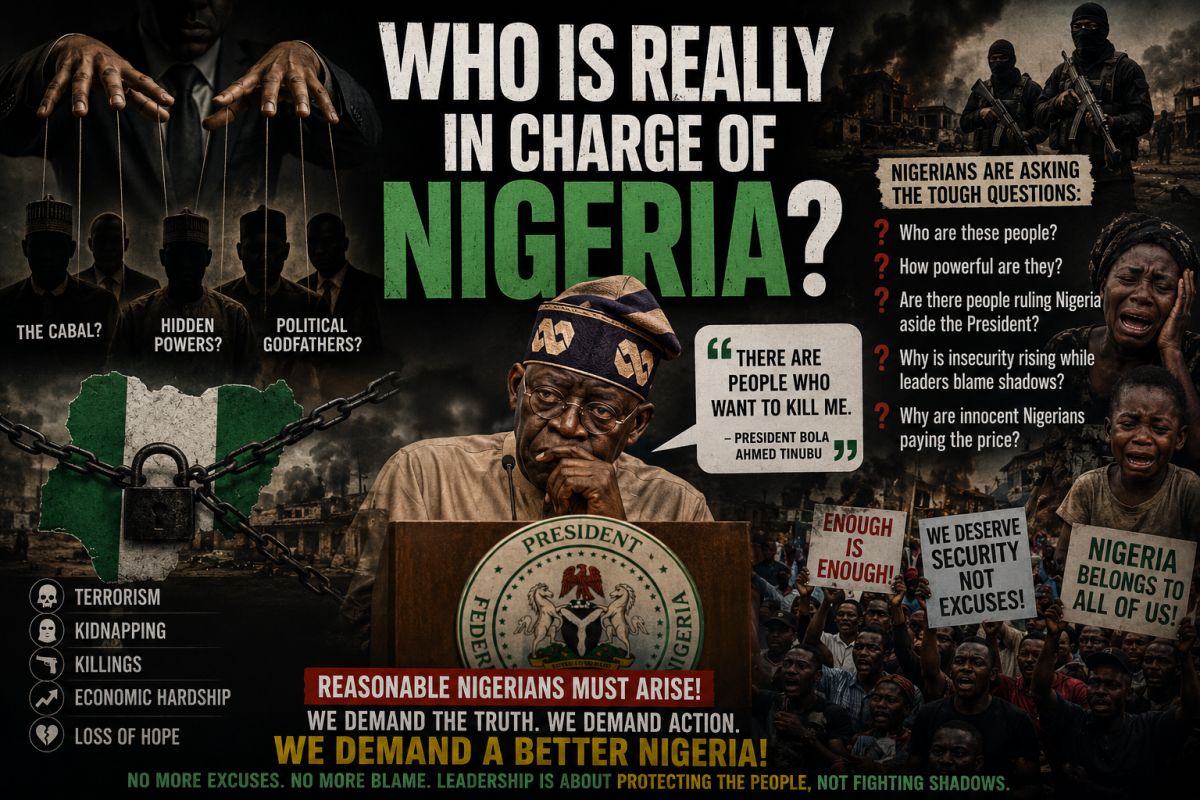
Who Is Really In Charge of Nigeria?
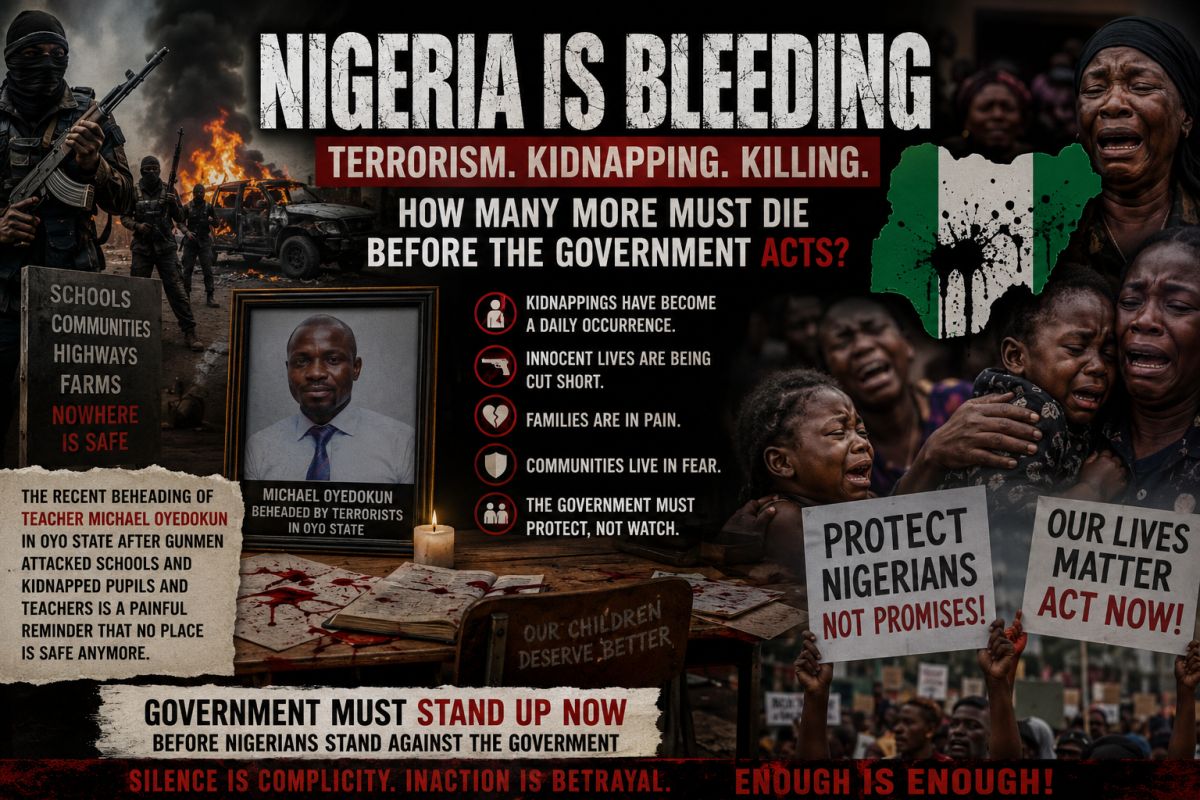
Nigeria Is Bleeding: How Many More Nigerians Must Die Before the Government Acts?