A Nation Slowly Losing Its Soul: Nigerian at a cross road.
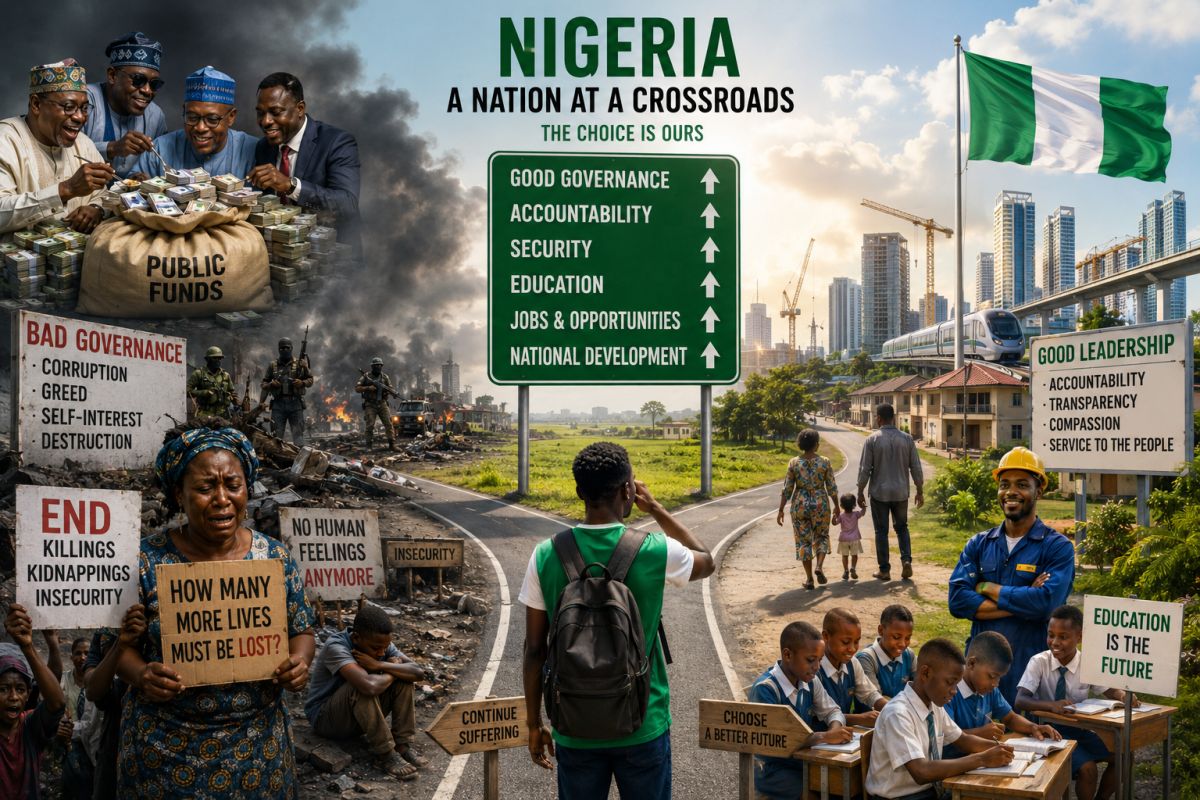
A Nation Slowly Losing Its Soul: Nigeria at a Breaking Point
Nigeria is a country overflowing with potential—rich in human talent, blessed with natural resources, diverse in culture, and resilient in spirit. Yet beneath this surface of promise lies a painful reality that millions of citizens are forced to live with every day: a system struggling under the weight of bad governance, widening inequality, insecurity, and a growing loss of trust in leadership.
For many Nigerians, survival is no longer just a struggle—it has become a lifestyle.
Every morning, families wake up to the same questions: Will food be affordable today? Will there be electricity? Will I return home safely? Will things ever get better? These are not abstract concerns anymore; they are daily burdens carried in silence across homes, markets, schools, and workplaces.
Leadership Without Direction
One of the most disturbing realities of the present condition is the feeling that leadership has lost direction. Many citizens feel disconnected from those in power—leaders who are supposed to serve the people now appear distant, insulated, and more focused on political survival than national transformation.
Policies are announced, promises are made, budgets are presented—but on the ground, the impact often feels invisible. Roads remain uncompleted, hospitals under-equipped, schools underfunded, and opportunities limited for the average youth who only dreams of a fair chance.
The gap between leaders and citizens keeps widening, and with it, trust continues to erode.
Corruption and the Culture of Self-Interest
Corruption remains one of the deepest wounds in the national fabric. It is not just about stolen funds or mismanaged resources—it is about a culture that slowly normalizes self-interest over public good.
Many Nigerians feel trapped in a system where positions of power are seen not as responsibilities, but as opportunities for personal gain. In such an environment, development struggles to take root because the very resources meant to build the nation are often diverted elsewhere.
The consequence is not just economic—it is deeply human. It means delayed salaries, broken infrastructure, limited healthcare, and a generation growing up with shrinking hope.
Insecurity and the Normalization of Pain
Perhaps the most heartbreaking part of Nigeria’s current condition is the level of insecurity that has become part of everyday conversation. Kidnappings, violence, and loss of innocent lives are reported so frequently that they risk becoming background noise.
What is even more troubling is how quickly society adapts to tragedy. A life lost in one region feels distant in another. Communities begin to normalize pain that should never be normal. Fear becomes routine, and silence replaces outrage.
This emotional detachment is dangerous—it signals a society slowly becoming numb to its own wounds.
The Youth and the Weight of Frustration
Nigeria’s youth are energetic, creative, and ambitious, yet many feel trapped between survival and escape. Unemployment and underemployment push countless young people into uncertainty, while others begin to look beyond the country’s borders for opportunity.
This growing frustration is not just economic—it is emotional. It is the feeling of being present in a country but not fully included in its promise. When talent feels wasted and effort feels unrewarded, hope begins to fade.
A Society Learning to Cope with Pain
One of the most painful developments is how Nigerians are increasingly learning to “manage” hardship rather than challenge it. Rising costs, insecurity, and governance failures are often met with resignation rather than resistance—not because people do not care, but because many feel unheard.
When suffering becomes routine, silence becomes survival.
A Call That Cannot Be Ignored
Nigeria is not beyond repair, but it is clearly at a critical crossroads. The question is no longer whether problems exist—they are visible everywhere. The question is whether there is still collective will to demand change, accountability, and a return to leadership that values human life and dignity.
A nation cannot thrive when its people lose faith in its systems. And it cannot survive indefinitely on resilience alone.
Nigeria’s future still holds promise—but only if the present reality is confronted with honesty, responsibility, and courage from both leaders and citizens alike.
Gallery
Comments
(0)0/500 · No URLs or profanity allowed
Nigeria is a country overflowing with potential—rich in human talent, blessed with natural resources, diverse in culture, and resilient in spirit. Yet beneath this surface of promise lies a painful reality that millions of citizens are forced to live with every day: a system struggling under the weight of bad governance, widening inequality, insecurity, and a growing loss of trust in leadership. For many Nigerians, survival is no longer just a struggle—it has become a lifestyle. Every morning, families wake up to the same questions: Will food be affordable today? Will there be electricity? Will I return home safely? Will things ever get better? These are not abstract concerns anymore; they are daily burdens carried in silence across homes, markets, schools, and workplaces.
Related Stories

What Happens to Your Brain When You Scroll TikTok for Hours?
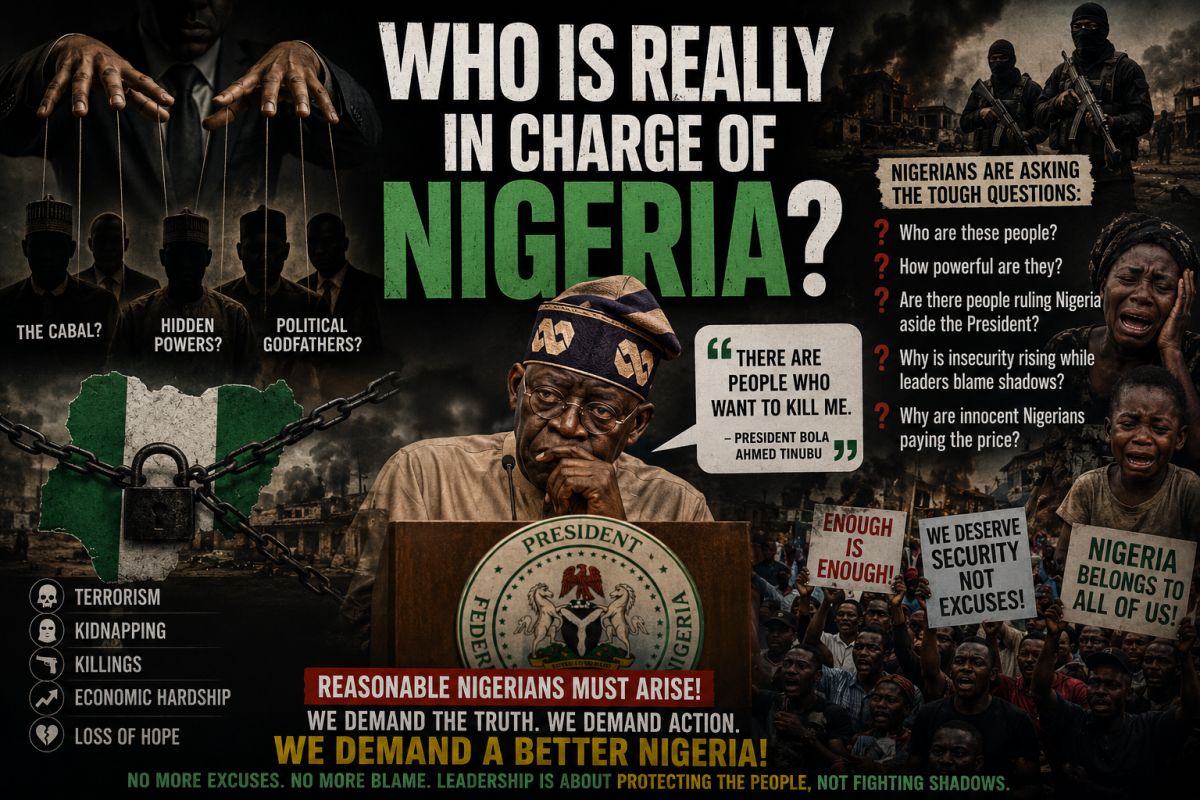
Who Is Really In Charge of Nigeria?
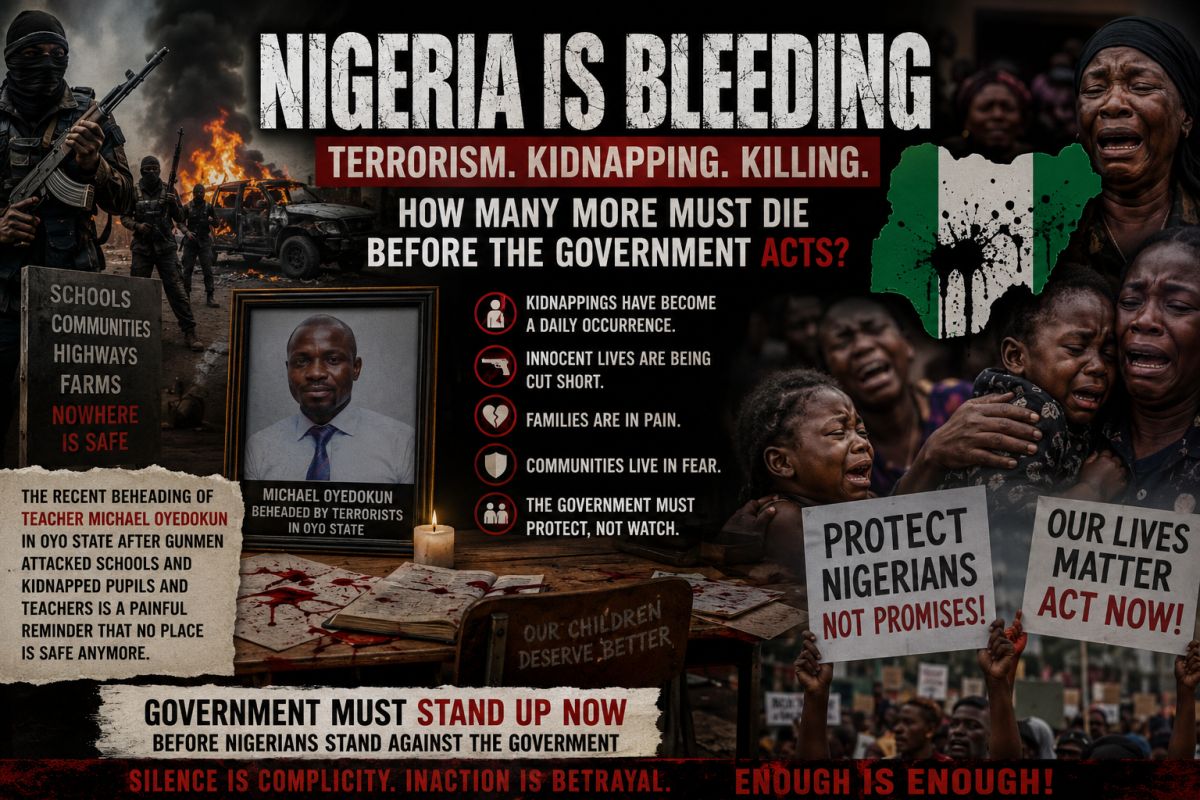
Nigeria Is Bleeding: How Many More Nigerians Must Die Before the Government Acts?

Sleeping With Married Women
Why More Young Nigerians Are Quitting Traditional Jobs