Nigeria Boosts Defence Manufacturing with Local Production of Armoured Vehicles, Anti-Drone Systems

Full Story
In a bid to fortify its indigenous defence industry, Nigeria has embarked on an ambitious project to establish local production lines for various military equipment, including armoured vehicles and anti-drone systems. This initiative is being spearheaded by the Defence Industries Corporation of Nigeria (DICON) in collaboration with Eagles International for Defence Systems. According to the Chief Executive Officer of DICON, Mr Osman Chennar, the partnership aims to facilitate the transfer of advanced defence technologies to Nigeria, thereby enabling the country to manufacture a wide range of military platforms for its armed forces and potentially other African nations. The partnership is expected to create over 200 job opportunities, in addition to providing employment for about 100 retired military personnel. Chennar noted that the arrangement would enable Nigeria to produce various military equipment, including the Armoured Multi-Purpose Vehicle BR6, Armoured Personnel Carrier cabin, and 120mm manual mortar launcher cabin. Other equipment to be manufactured include the MRAP-Buffalo U.10 and M.12 armoured vehicles, MRAP-Buffalo F-4, Rhino Guard GXR anti-drone and RPG-protected vehicle, APC Moon PT6, GXR Phantom light vehicle, and BMP-2 Infantry Fighting Vehicle. The development is part of a broader strategy to build a sustainable Nigerian defence manufacturing ecosystem capable of designing, assembling, and producing military equipment locally. Furthermore, DICON is planning to unveil a dedicated military jetty in Lagos to support the movement of raw materials, components, and finished military equipment. The facility is expected to serve as a strategic logistics hub for the supply and distribution of military equipment within Nigeria and across the African continent. The military jetty is slated to be launched within the next two to three months and is expected to provide employment opportunities for over 200 retired military personnel and 1,000 civilians. The emerging defence-industrial strategy is expected to have significant economic implications, including retaining defence expenditure within the domestic economy, developing specialised technical skills, and reducing Nigeria's reliance on foreign suppliers. Ultimately, the planned facilities and production lines would position Nigeria to sustain its armed forces with locally produced equipment during prolonged security operations, while creating the capacity to serve defence markets across Africa.
Comments
(0)0/500 · No URLs or profanity allowed
Naija dey try produce im own military equipment, including armoured vehicles and anti-drone systems, to reduce dependence on foreign suppliers. Make we see whether dis one go work or na just talk.
Source: Punch NG
Related Stories

Pentagon Enlists Elon Musk for Future War Study Leadership

Kaduna: Nigerian Army's 1 Division Fetes Four Retiring Personnel

Pentagon Ousts Stars and Stripes Leaders in Press Freedom Showdown
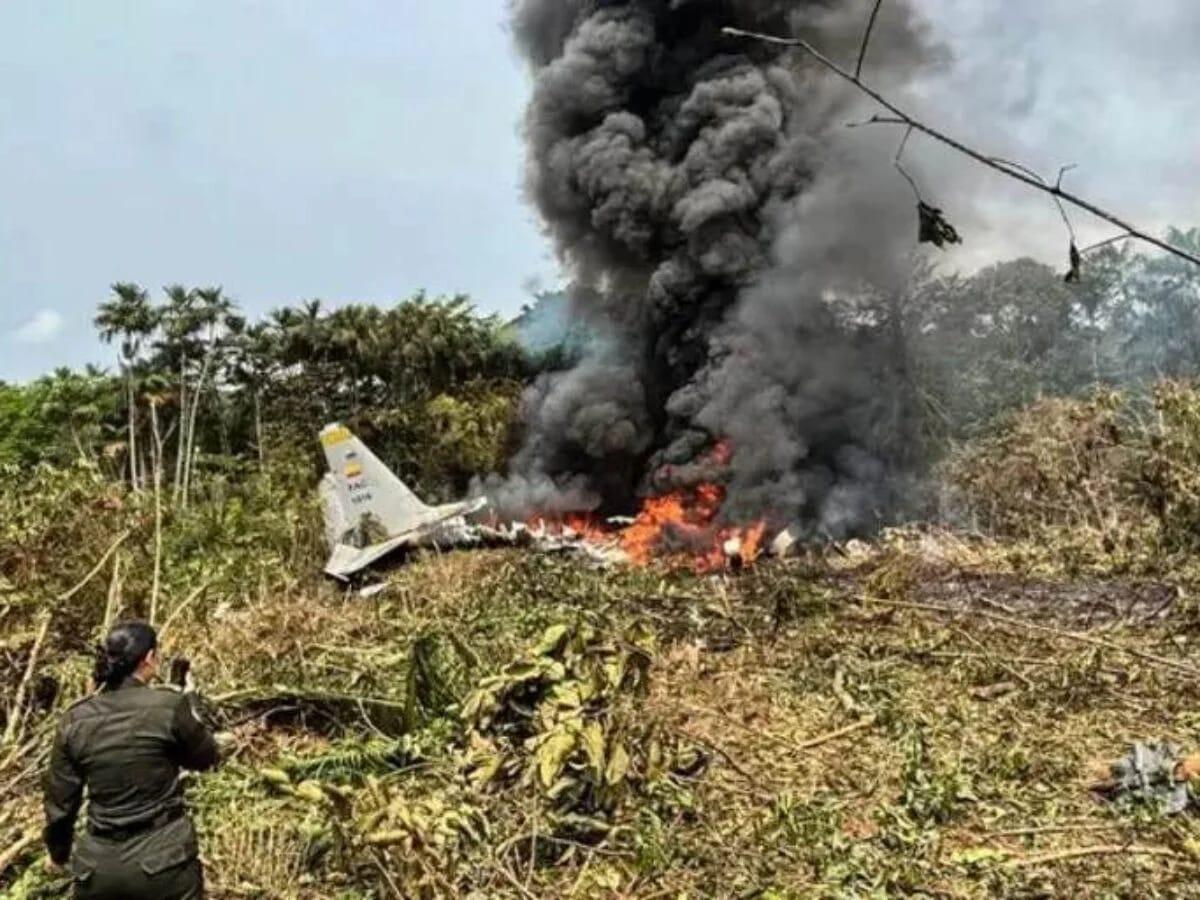
Fatal Air Mishap Claims Eight Souls at Alaska US Air Force Facility

Army Chief Shaibu Champions Digital Shift for Smarter Security and Administration