US Government Favors Sanctions Over Military Action Against Iran
Full Story
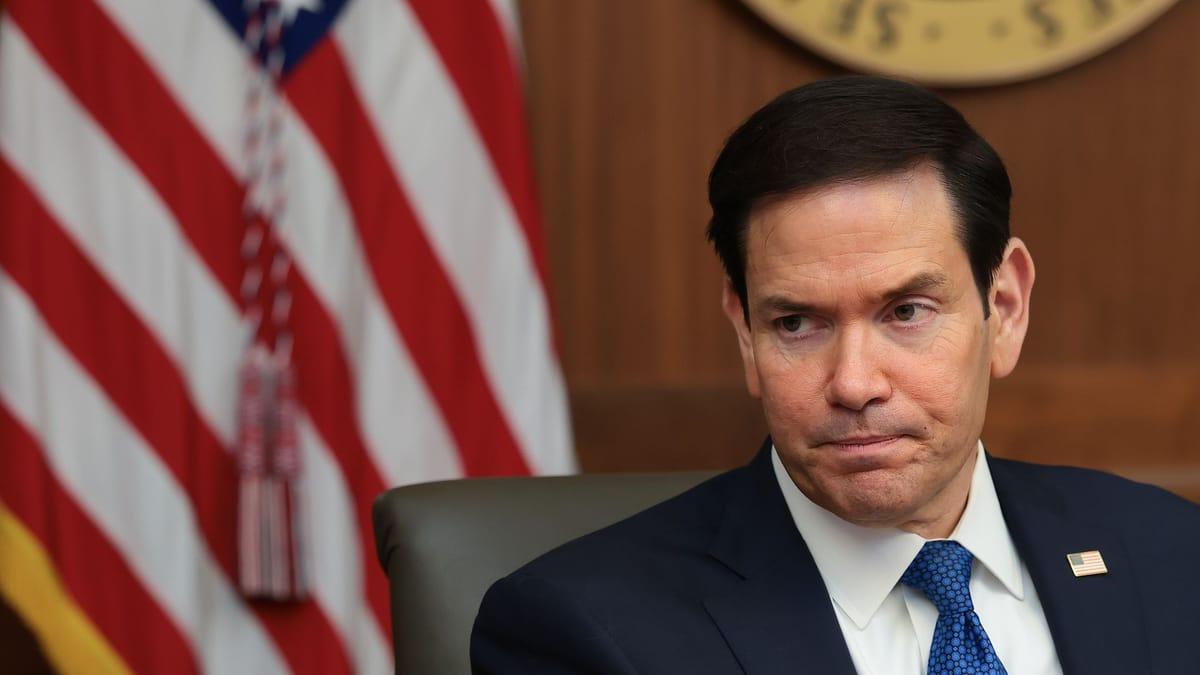
The United States government is reportedly shifting its approach towards Iran, opting to prioritize economic sanctions and other forms of pressure over direct military strikes. This development was communicated by US Secretary of State Marco Rubio to several international counterparts, with officials indicating that new offensive military actions are not anticipated "for the time being."
According to a US official and another source familiar with the matter, Secretary Rubio emphasized a focus on non-military pressure, including a new sanctions initiative unveiled this week. This strategic pivot comes as Washington believes its existing naval blockade is effectively crippling Iran, while simultaneously facilitating the increased flow of oil from the Strait of Hormuz into global markets. The move is also seen as a signal that US President Donald Trump is growing weary of the ongoing conflict and desires its conclusion, at least for the present.
While Rubio clarified that the US is not planning a return to significant combat operations, he did not discount the possibility of strikes should Iran initiate an attack. Another US official highlighted the US Navy's operation to clear mines from the Strait of Hormuz as a crucial turning point, significantly diminishing one of Iran's primary sources of leverage.
Reports indicate that Secretary Rubio outlined the Trump administration's current Iran policy during phone conversations with allied foreign ministers. This policy encompasses three key elements: temporarily avoiding military engagement, intensifying economic pressure through the naval blockade and new Treasury Department sanctions, and maximizing oil transport through the Strait of Hormuz to global energy markets. This strategy is expected to remain in place until at least after the midterm elections, after which a fresh military campaign might be reconsidered.
US officials assert that the successful clearing of mines from much of the Strait of Hormuz, combined with a recent surge in tanker traffic through its southern lane, substantially erodes Iran's influence over international energy supplies. "The Iranians have lost control over the strait. Now the U.S. controls it," one US official stated.
The ongoing US naval blockade is severely impacting Iran's revenue. Over the past fortnight, virtually no oil tankers have been observed at Kharg Island, Iran's principal oil export terminal, according to US officials. State Department spokesman Tommy Pigott commented to Axios, saying, "The Iranian economy is in free fall and the regime's military has been decimated, and we are cutting off every financial lifeline the regime has remaining." Pigott further reiterated the President's firm stance: "The President has been clear that Iran cannot have a nuclear weapon, and that he will use the tools necessary to ensure that objective is accomplished."
In a related diplomatic effort, Pakistan's army chief, Field Marshal Asim Munir, visited Tehran recently for discussions with Iranian leaders. Pakistan has played a vital mediating role between the US and Iran since the conflict began. Al Arabiya, a Saudi-affiliated television network, reported that Munir engaged in talks with President Trump prior to his trip, proposing a new initiative for Iran. However, the White House, while not denying the conversation between Trump and Munir, stated that there are no current or scheduled negotiations with Iran.
US officials believe that the recent developments in the Strait of Hormuz and the increased volume of oil exports from the Gulf have stripped Iran of a significant bargaining chip in any future negotiations, rendering any potential deal between Oman and Iran concerning the strait irrelevant. "Right now we are not negotiating with Iran. We are squeezing them. The pressure could drive the Iranians back to the table," a US official concluded.
Comments
(0)0/500 · No URLs or profanity allowed
Na serious matter be this o! US don decide say dem no go dey fire missiles for now, instead dem go just dey squeeze Iran with sanctions and blockade. Dem say na to make Iran economy fall and force dem to negotiate. We go see if dis 'squeezing' strategy go really work or na just long talk.
Source: Linda Ikeji's Blog
Related Stories
Trump Administration Halts Global Immigrant Visa Processing
US Targets 200,000 Visas for Revocation Amid Asylum Fraud Allegations

US Lifts Syria's 'State Sponsor of Terrorism' Tag, Boosts Investment Hope
US Hits Iran with Broad Sanctions on Oil, Military Networks
Zelensky Foresees Russia Mobilizing 300,000 More Troops for Ukraine Conflict