Abuja Communities Get 10,000 LPG Cylinders from FCTA, IHS to Fight Air Pollution
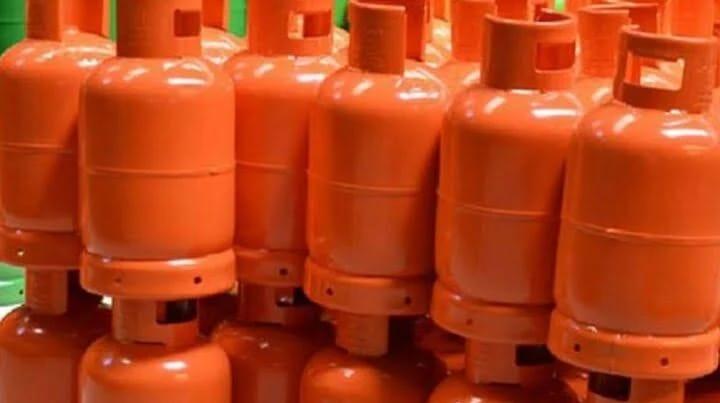
The Federal Capital Territory Administration (FCTA), in collaboration with IHS Nigeria, has successfully completed the distribution of 10,000 Liquefied Petroleum Gas (LPG) cylinders along with refill vouchers to households. This significant initiative, known as 'Project Breathe Clean Air Abuja,' reached 18 communities across the six Area Councils within the FCT. The project, which culminated in a grand finale at the Bwari Mini Stadium on Thursday, also demonstrated remarkable improvements in the quality of household air, as per findings from its monitoring and evaluation exercise.
Speaking at the event, Maijida Kuku, who represented the Minister of State for the FCT, Mariya Mahmud, stated that the project was designed to lessen the incidence of respiratory diseases, which are often triggered by indoor air pollution. This is to be achieved through the widespread adoption of clean cooking energy. She highlighted that women and children disproportionately bear the brunt of smoke exposure from traditional cooking fuels such as firewood, charcoal, and kerosene. Kuku underscored that a broader embrace of LPG would not only enhance public health but also safeguard the environment and contribute to efforts aimed at mitigating climate change.
Dr. Adedolapo Fasawe, the Mandate Secretary for the FCT Health Services and Environment Secretariat, disclosed that the initiative was launched in November 2025, with IHS Nigeria providing sponsorship. She elaborated that the project's conception was a direct response to the escalating cases of respiratory tract infections observed among women and respiratory allergies in children, all linked to prolonged exposure to smoke from firewood, charcoal, and kerosene.
Fasawe further explained that beyond the distribution of LPG cylinders, sustainability teams from both the FCTA and IHS Nigeria engaged in advocacy visits to community leaders. These visits aimed to promote the safe handling and use of gas, while ongoing monitoring and evaluation were conducted to assess the project's real impact on household air quality and overall health. She detailed the deployment of handheld air quality monitoring sensors in 30 households within the Kurudu and Pyakasa communities of the Abuja Municipal Area Council. These sensors were used to measure the levels of fine particulate matter (PM2.5) both before and after households transitioned from biomass fuels to LPG.
According to Fasawe, the initial baseline assessment revealed that PM2.5 levels in homes relying on firewood and charcoal significantly exceeded the World Health Organisation’s recommended limits, thereby exposing women and children to harmful pollutants associated with various respiratory ailments. She proudly added that subsequent monitoring recorded noticeable improvements in indoor air quality following the introduction of LPG. This confirmed that clean cooking energy substantially reduces exposure to dangerous pollutants, improves respiratory health, and lowers the risk of chronic diseases. Fasawe noted that these findings would provide crucial local evidence to inform future policies concerning clean energy, air quality management, and public health. She also revealed that two outdoor air quality monitoring sensors had been procured for installation across the FCT, which will provide real-time environmental data essential for public health planning.
Recalling the project’s inauguration, Fasawe reiterated that air pollution is often described as a 'silent killer,' contributing significantly to the global burden of disease. She pointed out the increasing incidence of lung cancer among non-smokers as a stark indicator of the urgent need for greater public awareness and a wider adoption of clean household energy. She concluded by stating that the initiative is living up to its promise of “Renewing Hope, one household at a time.”
Representing Mohamed Darwish, the Executive Vice President and Chief Executive Officer of IHS Nigeria Limited, Senior Vice President and Chief Corporate Services Officer Dapo Otunla affirmed that the company had successfully achieved the objectives of the initiative. He noted that this effort aligns with IHS Nigeria’s commitment to sustainability and the wellbeing of its host communities. “At IHS Nigeria, sustainability is embedded in how we think, how we operate and how we create long-term value. Our approach is guided by four sustainability pillars that define our priorities and impact areas. This initiative directly aligns with two of those pillars: Environment and Climate Change and People and Communities,” Darwish was quoted as saying.
He further explained that under the Environment and Climate Change pillar, Project Breathe Clean Air Abuja supports the shift away from traditional biomass fuels like firewood and charcoal. This transition, he added, contributes to reduced carbon emissions, enhanced air quality, and decreased pressure on natural ecosystems, including forests. From the People and Communities perspective, Darwish maintained that “the programme directly improves the quality of life of beneficiaries and others by reducing exposure to indoor air pollution, improving household health outcomes, reducing carbon emissions, and enhancing safety and dignity in daily living, particularly for women and children who are most affected.”
Also speaking, Ayuba Usman, a Consultant Clinical and Radiation Oncologist at the National Hospital Abuja, lauded the initiative as a life-changing intervention capable of significantly reducing the burden of lung cancer and other respiratory diseases. She stressed that prevention is considerably more cost-effective than treatment and urged governments, development partners, and private organizations to support similar public health interventions. The project also extended its reach to educational institutions, with pupils and students in primary, secondary, and tertiary schools receiving branded educational materials to foster environmental awareness and healthy living. Additionally, pregnant women were provided with baby care kits to bolster maternal and child health.
The grand finale witnessed the presence of representatives from the Bwari and Abuja Municipal Area Council chairmen, the Head of Service of the FCTA, the Director-General of the Maryam Babangida Women Development Centre, the Area Commander, the Etsu Bwari, alongside other prominent government, corporate, and traditional leaders.
Comments
(0)0/500 · No URLs or profanity allowed
FCTA and IHS don carry 10,000 gas cylinders give Abuja communities to fight air pollution. Na good step be dis to save our women and pikin dem wey dey suffer from smoke for house. We just hope say dem go fit sustain am so everybody go fit breathe clean air.
Source: Punch NG
Related Stories

Peace, Not Riches, Sustains Woman's Second Marriage Despite Poverty

Lawyer Shares Client's Sudden Death Post-Will, Raises Premonition Question
French Health Minister Confirms Recovery of Nation's First Ebola Patient
Medical Professor Aghaji Apprehended Over Nnamdi Kanu's Health Report

Akwa Ibom IPAC Boss Lauds Governor Eno's Legacy Projects: CNG Buses, New Hospital