Nigerian Health Experts Push for Increased Funding to Combat Hypertension
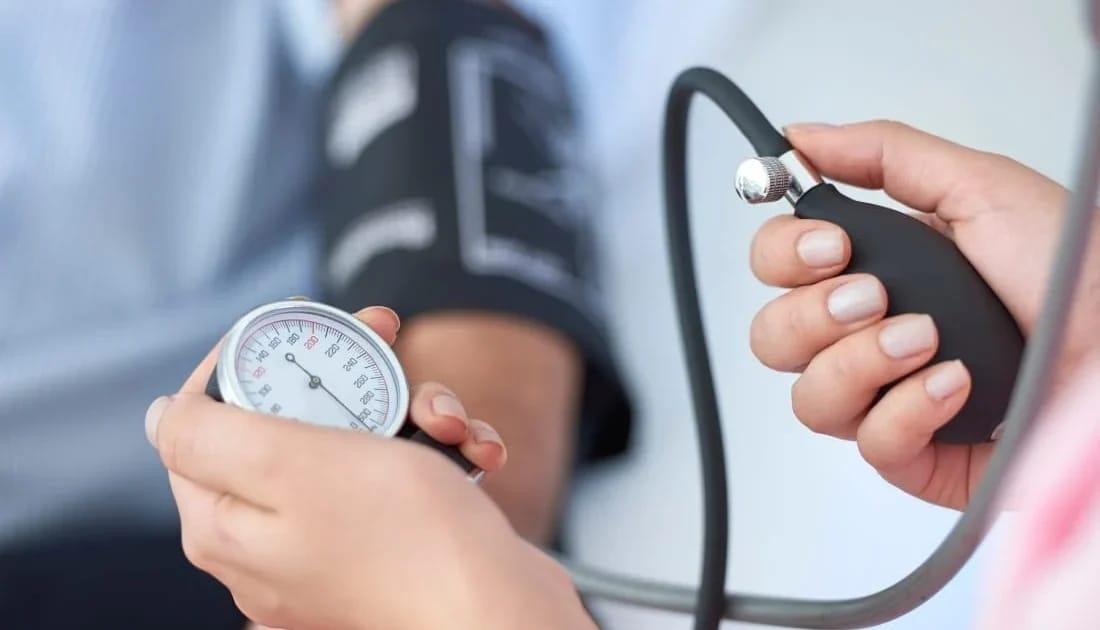
Patients, healthcare professionals, and civil society groups have collectively voiced strong concerns regarding the Federal Government's insufficient focus on hypertension and other non-communicable diseases (NCDs). They made a unified appeal for enhanced financial commitment, broader public enlightenment, and improved access to diagnosis and therapy for these conditions.
This call was made on Thursday during the Executive Media, Patient and Civil Society Dialogue on Hypertension Financing, an event organized under the Advocacy Partnership for Hypertension Financing and Patient Voice Project. Speaking at the dialogue, Prof Emmanuel Alhassan, who serves as the Country Lead for Health System Strengthening at the Global Health Advocacy Incubator, emphasized that hypertension affects millions of Nigerians yet receives minimal government funding and public attention.
Prof. Alhassan highlighted that many individuals are living with hypertension unknowingly due to inadequate awareness and poor access to regular screenings. He stated, “Statistics show that millions and millions of Nigerians are hypertensive. The sad part of the story is that not many people know about it. So, we want it to be prioritised. We want the government to prioritise funding for non-communicable diseases, particularly hypertension.”
He further expressed dismay over the remarkably low funding allocated for hypertension, especially given its increasing prevalence. “You will notice that, for instance, for 2025, not even a single kobo was released. We really want our colleagues in the media and communities themselves to come together and advocate,” he urged. Alhassan stressed the necessity of prioritizing NCDs, particularly hypertension, within the Federal Ministry of Health’s NCDs Division and ensuring that adequate funding is made available.
Alhassan revealed that despite an estimated 27 million Nigerians suffering from hypertension, the condition receives less than four percent of the attention and funding compared to other health issues. “There is a huge burden of the disease, yet less than three to four per cent in terms of attention and funding is paid compared to other disease areas,” he reiterated. He also underscored the media’s vital role in educating the public about hypertension and promoting regular blood pressure checks. “The media has a role to play in getting Nigerians to know that they might just be walking around with hypertension without knowing it. Nigerians need to go for screening,” he said.
He added that the media should also advocate for increased investment from government, the private sector, and individuals into NCDs, especially hypertension. Furthermore, he called on the media to collaborate with civil society organizations to highlight ongoing interventions and relevant statistics showing public unawareness of their condition.
Also addressing the gathering, Francis Okonkwo, Head of Advocacy for the Patient-led Advocacy Working Group on Non-Communicable Diseases, advised Nigerians to make blood pressure monitoring a regular habit. He issued a stern warning that hypertension, often termed a “silent killer,” frequently presents no symptoms until severe, life-threatening complications emerge. “I didn’t want to know my blood pressure before because I asked myself, if I know, how will I manage it? That fear is what many Nigerians have,” Okonkwo confessed.
Okonkwo shared a tragic account of a friend who passed away shortly after being discharged from the hospital due to dangerously high blood pressure. He narrated, “I had a friend who suddenly started shouting that his eyes wanted to come out. We rushed him to the hospital, and the doctor told me he couldn’t explain why my friend was still alive because his blood pressure was above 200. They treated him and discharged him after about a week, but within another week, he died at home.”
Sharing his personal struggle, Okonkwo revealed that emotional stress contributed to his own battle with hypertension. “I had emotional problems that deprived me of sleep for months. That was when my blood pressure started rising. Eventually, I learnt to manage the stress, and my sleep returned, and my blood pressure started going down,” he explained.
He dispelled the common misconception that hypertension is solely an ailment of old age, noting its growing prevalence among younger Nigerians. “It doesn’t need to be somebody who is old. When I had it, I wasn’t old. Today, hypertension is not about old age. If you have not been checking your blood pressure, please check. That is the only way you can save your life and protect your health,” he urged. Okonkwo also voiced concerns about unhealthy lifestyle choices, such as excessive consumption of salt, sugar, alcohol, and other harmful substances, which he believes contribute to the rising burden of NCDs in the country.
He implored journalists to intensify public education campaigns on hypertension and other NCDs, stating that sustained awareness would encourage preventive health-seeking behaviours across the nation. The dialogue successfully convened various stakeholders, including journalists, patients, healthcare professionals, and civil society organizations, to discuss sustainable financing for hypertension prevention, diagnosis, and treatment, while advocating for stronger government commitment to addressing Nigeria’s growing non-communicable disease burden.
Gallery
Comments
(0)0/500 · No URLs or profanity allowed
Na serious matter o! Health experts dey vex say government no dey give enough money to treat hypertension. Dem say plenty Nigerians get am but dem no even know, na why dem need more awareness and funding. Make una dey check una blood pressure regularly, no be only old people dey get am again.
Source: Punch NG
Related Stories
WHO Unveils Maiden Global Database for STI Prevalence Data
Lagos Leads Nation in HIV Cases as Private STI Screening Rises
Lagos State Gears Up for First Self-Funded HIV Drug Delivery in August
Coalition Pressures Tinubu: Declare Health Sector Emergency Now
Pastor Kingsley Okonkwo's Bold Counsel: Women Should Respond to Suitors