Falana Questions Tangible Gains from Fuel Subsidy Removal as Citizens Suffer
Full Story
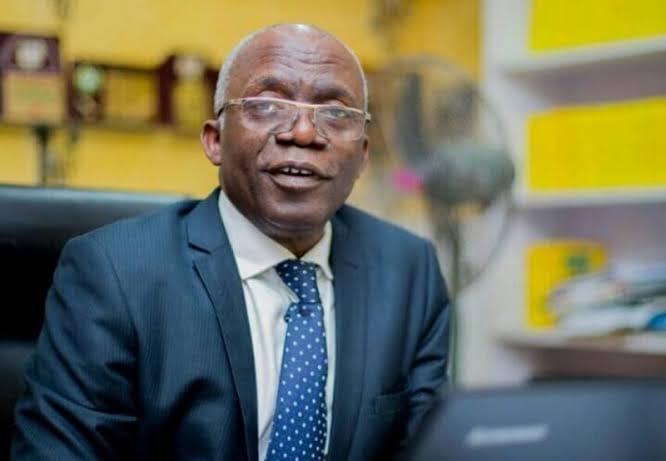
Prominent human rights advocate, Femi Falana, SAN, has voiced strong skepticism regarding the actual benefits derived from President Bola Tinubu's policy of removing fuel subsidies. During an appearance on Channels Television’s Sunday Politics, Falana stated that the average Nigerian is yet to experience or witness the positive effects of the financial savings supposedly generated by this decision.
The senior lawyer highlighted an increase in public revenues across federal, state, and local government tiers, urging citizens to demand comprehensive accountability from their respective administrations. He challenged why these enhanced revenues have not translated into essential infrastructure repairs, pointing to a severely damaged road near Afe Babalola University in Ekiti State as a stark illustration. Falana revealed that the local government responsible for that area received over ₦5.4 billion between January and May, yet community members are still looking to the federal government in Abuja for road repairs estimated to cost less than ₦500 million.
Falana recalled a previous practice, stating, "State governments were fixing roads, and they would then go to Abuja to ask for a refund." He further emphasized the need for public scrutiny, asserting, "So, we must begin to ask questions of the local government, the state government, and the Federal Government. If you say we are making more money, we don't want to go back to the era of the fuel subsidy scam. Where are the benefits? It's a fallacy being told to wait and wait and wait. People are dying."
He noted that while the nation was expected to save approximately $10 billion annually from discontinuing petrol import subsidies, a significant portion of the government's income is currently allocated to debt servicing rather than directly improving public welfare. Falana concluded by stressing that with higher financial allocations now reaching state and local government treasuries, the onus is on the populace to rigorously hold their elected leaders responsible for the transparent and effective deployment of these funds.
Comments
(0)0/500 · No URLs or profanity allowed
Femi Falana don yarn say Nigerians never feel di impact of fuel subsidy removal savings. E ask say where di money dey go, especially as people still dey suffer. Na big question for government o!
Source: Linda Ikeji's Blog
Related Stories
FG Faces ₦1.92 Trillion Electricity Subsidy Burden in 2025, NERC Confirms
Amb. Jimoh Ibrahim Confirms Nigeria's Non-Nuclear Stance at UN
Asaba Community Demands Accountability Amidst Fresh Levies for Power Restoration
Edo State Approves 100MW Power Project, Eyeing 2026 Completion
TCN Triggers Force Majeure as Birnin Kebbi–Niamey Power Link Towers Fall