Dr. Nwabueze: Tax Ombud Not for Dodging Lawful Payments — full story
Full Story
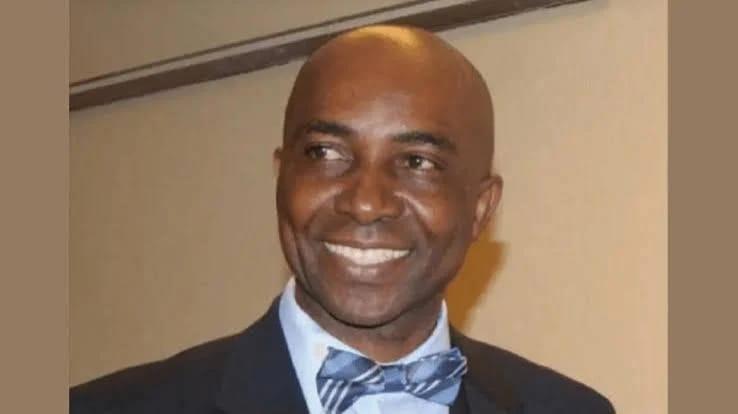
The Chief Executive of the Office of the Tax Ombud, Dr. John Nwabueze, has issued a strong caution to taxpayers, advising them against misusing the agency as a means to circumvent or defer legitimate tax obligations and other statutory responsibilities. Dr. Nwabueze emphasized that the Office of the Tax Ombud was established to offer an impartial and independent channel for taxpayers seeking remedies for administrative, procedural, and service-related concerns within the realm of tax and revenue administration.
He conveyed this message on Tuesday during the North-West Zonal Stakeholders’ Engagement Meeting held in Kaduna, which brought together tax and revenue authorities, various business groups, and professional bodies. Nwabueze clarified that the agency operates under the Federal Tax Ombud Act as an autonomous, unbiased, and non-judicial body, tasked with receiving and reviewing grievances related to taxes, levies, regulatory fees and charges, as well as customs, excise, and duties.
"It is important to clarify what we do not do," Nwabueze stated. "The Tax Ombud is not a mechanism for cancelling legitimate tax liabilities merely because the taxpayer does not wish to pay. We do not make tax policy. We do not encourage non-compliance. We do not shield taxpayers from their lawful obligations and we are certainly not the courts."
He further elaborated that the office's jurisdiction primarily focuses on the operational, procedural, and administrative aspects of tax and revenue management. "When a taxpayer has a dispute, the first question is simply not whether the tax is payable. It is also whether the process through which that obligation to tax is assessed has been fair, lawful, transparent and consistent," he added.
Taxpayers, Nwabueze noted, are expected to first adhere to existing lawful internal dispute-resolution processes before approaching the Tax Ombud, particularly where such procedures are mandatory. He affirmed that the agency would intervene in situations where operational, procedural, administrative, or service-related issues necessitate independent review. "Pay what the law requires, know your rights, and where the administration of that obligation becomes an issue, seek redress," Nwabueze urged.
To enhance accessibility for taxpayers, the head of the Tax Ombud announced the introduction of a digital complaint portal, a new case management system, a toll-free call centre, and other convenient channels for lodging complaints. He highlighted that "Our services are free of charge to taxpayers. Additionally, the law allows the Tax Ombud to institute a lawsuit on behalf of the taxpayer. That service is also free of charge to taxpayers."
Nwabueze explained that the purpose of the engagement was to move beyond merely identifying challenges in tax administration. Instead, it aimed at developing actionable solutions to foster better relationships between taxpayers and revenue authorities. He encouraged all stakeholders to address both the responsibilities of taxpayers to comply with the law and the obligations of revenue authorities to administer taxes equitably.
He posed critical questions for consideration: "How can we ensure that rural taxpayers, small businesses, informal traders and people with disabilities have effective access to information and redress? How can complaint data be used to identify recurring administrative weaknesses and improve the tax system?" He also advocated for increased cooperation among professional bodies, the media, civil society organizations, and other stakeholders to boost taxpayer awareness and compliance.
In a related development, Mohammed Ibrahim Tanko, the Kaduna State Commissioner for Finance, who represented Governor Uba Sani at the event, revealed that the North-West region collectively generated approximately ₦916 billion in tax revenue between 2023 and 2025, with Kaduna State contributing a significant ₦220 billion to this sum. Commissioner Tanko attributed Kaduna’s impressive revenue performance not to aggressive enforcement, but rather to active stakeholder engagement and voluntary compliance.
"We have done that without unnecessary and brutal follow-up to people. We were able to achieve this through detailed stakeholder engagement that led to voluntary compliance by our people," Tanko stated, adding, "It is a clear and significant indication that you can generate enough revenue that you require without necessarily doing any brutal enforcement." The commissioner appealed to the Tax Ombud to establish a zonal office in Kaduna, emphasizing that such a presence would greatly improve access for taxpayers and revenue authorities across the North-West region.
Comments
(0)0/500 · No URLs or profanity allowed
Dr. Nwabueze don clear air say Tax Ombud no be for you to run from paying your correct tax. Him say na for if dem treat you unfairly for tax matters, not to dodge wetin you suppose pay. We go dey watch if dis message go sink well for taxpayers mind.
Source: Punch NG
Related Stories
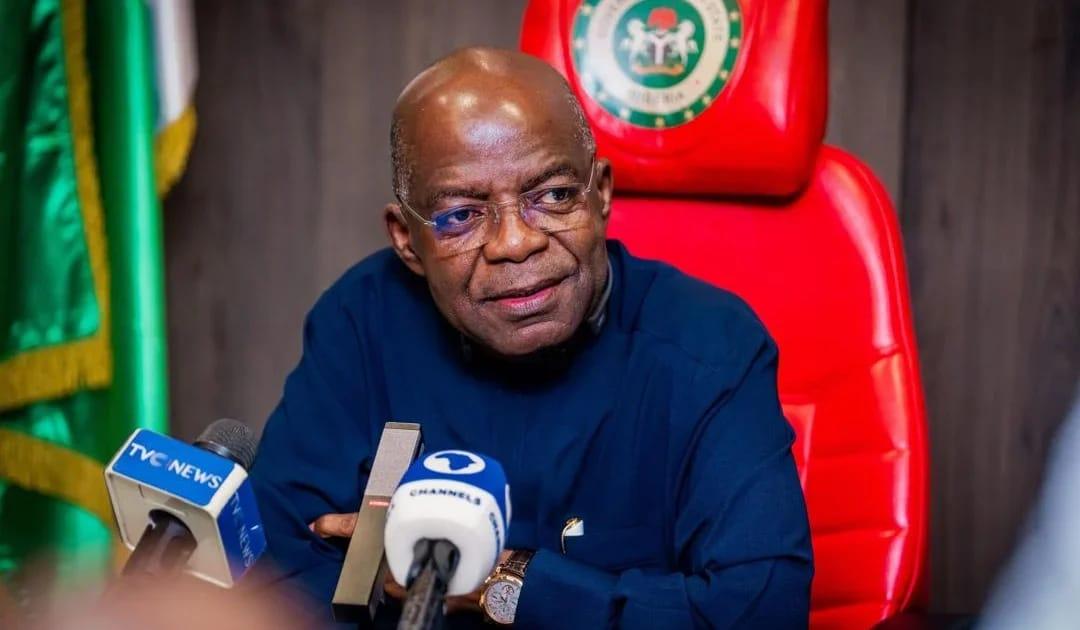
Alex Otti Invites Investors Back to Abia, Highlights Business-Friendly Reforms
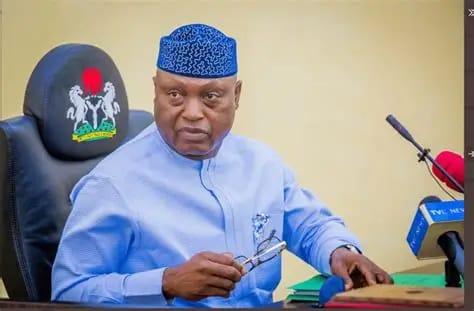
Oyebanji Pitches Ekiti Tourist Sites to Attract Investors

Newlywed Caught Trafficking 72 Cocaine Wraps at Enugu Airport, Blames Wedding Debt

SERAP Gives CBN Ultimatum on $6.23m Election Funds, N1.63tn Accountability

Ekiti State Empowers 30 Experts for Large-Scale Livestock Genetic Upgrade