Coca-Cola Unveils $1 Billion Nigeria Investment Plan for Half-Decade
Full Story
The Coca-Cola System, operating within Nigeria, has declared its intention to inject an additional $1 billion into the country's economy over the next five years. This substantial financial commitment, however, is contingent upon the establishment of a stable and supportive policy environment. This development was communicated in a statement released to PUNCH Online on Saturday.
According to the release, this announcement follows a comprehensive socio-economic evaluation of the Coca-Cola System's presence in Nigeria. The assessment, conducted in 2024 by the international consultancy firm Steward Redqueen, meticulously examined the economic contributions of the entire Coca-Cola System, which encompasses Coca-Cola Nigeria Limited and its licensed bottler, the Nigerian Bottling Company. The study employed the Nobel Prize-winning Leontief input-output economic model to ascertain its findings.
The socio-economic study highlighted the Coca-Cola System's significant impact on employment, revealing that it sustained an estimated 160,200 jobs across its entire value chain within a single year. This figure comprises 2,989 direct employees, with over 157,200 additional jobs indirectly supported in diverse sectors like agriculture, logistics, retail, hospitality, and distribution. The report further underscored the substantial 'multiplier effect' of Coca-Cola's activities, indicating that for each direct employment position created by the company, an additional 53 jobs were indirectly generated elsewhere within the nation's economy through its extensive operations and supply chain.
Beyond employment, the assessment estimated that the Coca-Cola System generated $1 billion in value-added economic activity within Nigeria during the period under review. The company's commitment to local content was also evident, with approximately $601 million spent annually on goods and services procured from Nigerian suppliers, thereby actively boosting national economic growth. The study emphasized that a considerable portion of the ingredients, packaging components, and other essential production inputs utilized by the Coca-Cola System are obtained, manufactured, and distributed within Nigeria.
This strategy of local sourcing has been instrumental in strengthening the company's integration into Nigeria's key agricultural, manufacturing, and logistics sectors. Furthermore, it has successfully broadened economic prospects for various businesses and individuals nationwide.
The report additionally shone a light on Coca-Cola's sustainability initiatives, with a particular focus on waste management and responsible water usage. Noteworthy among these is the establishment of a packaging collection hub in Apapa, Lagos. This facility possesses the capacity to process 13,000 metric tonnes of PET plastic annually and is projected to provide support to approximately 1,000 informal waste collectors. The study indicated that this hub is strategically designed to bolster Nigeria's recycling infrastructure by enhancing plastic recovery rates and fostering economic opportunities for those involved in waste collection and recycling.
Regarding water sustainability, the assessment drew attention to a substantial $25 million Africa-wide water stewardship programme spanning across 20 African markets, Nigeria being one of them. Communities in Borno and Imo states have already seen positive outcomes from various projects under this initiative, including the refurbishment of boreholes, improvements in sanitation facilities, and efforts towards riverbank restoration. These interventions have reportedly positively affected over 2.6 million individuals.
Ultimately, the assessment concluded that the Coca-Cola System's influence transcends mere beverage manufacturing, encompassing significant contributions to job generation, local procurement, environmental sustainability, and community upliftment. The report emphasized that the ongoing harmonization of the System's global expertise with its local aspirations will be vital for expanding its overall impact, reinforcing supply chains, and transforming its commercial footprint into wider economic benefits for the Nigerian populace.
As the company looks to the future, the Coca-Cola System has reaffirmed its intention to inject an additional $1 billion into Nigeria over the coming half-decade, provided that a stable and conducive policy framework is maintained.
Comments
(0)0/500 · No URLs or profanity allowed
Coca-Cola don talk say dem wan put anoda $1 billion for Naija for five years, but dem say government suppose make policy clear first. We go dey watch if dis investment go truly bring beta jobs and ginger our economy, or if na just plenty talk.
Source: Punch NG
Related Stories

Alex Otti Invites Investors Back to Abia, Highlights Business-Friendly Reforms

Oyebanji Pitches Ekiti Tourist Sites to Attract Investors

Newlywed Caught Trafficking 72 Cocaine Wraps at Enugu Airport, Blames Wedding Debt

SERAP Gives CBN Ultimatum on $6.23m Election Funds, N1.63tn Accountability
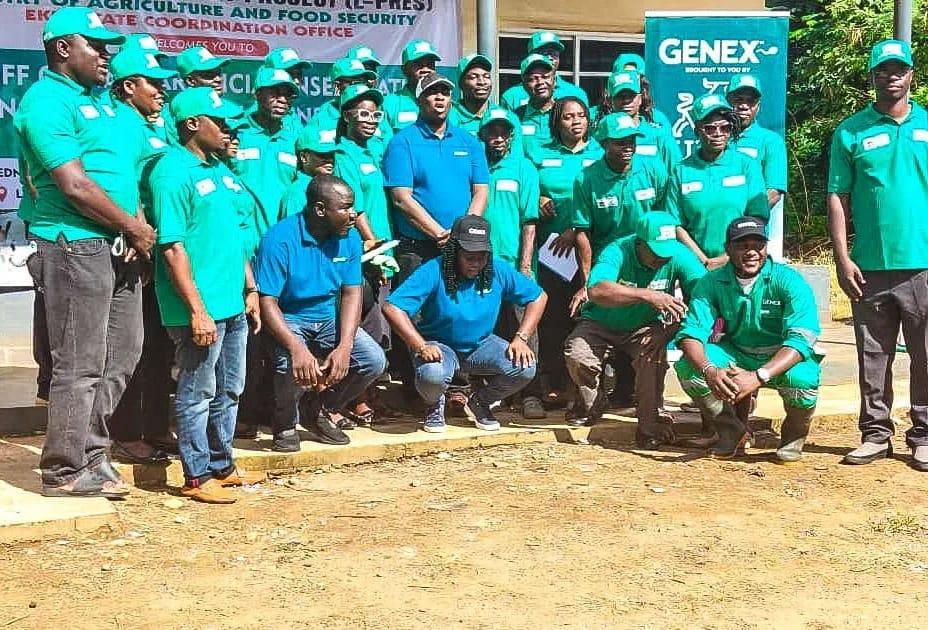
Ekiti State Empowers 30 Experts for Large-Scale Livestock Genetic Upgrade