Lagos Health Alert: Your Taps Hidden Germs & Why Cleanliness Matters
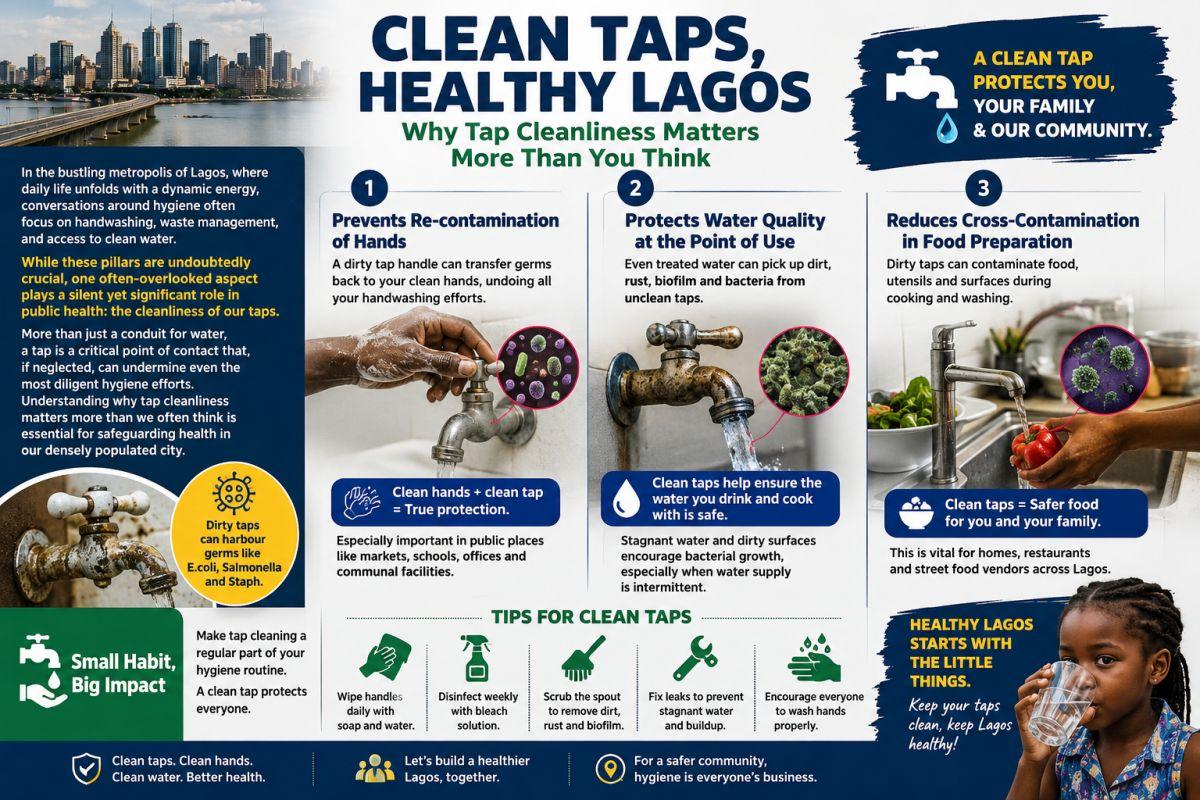
In the bustling metropolis of Lagos, where daily life unfolds with a dynamic energy, conversations around hygiene often focus on handwashing, waste management, and access to clean water. While these pillars are undoubtedly crucial, one often-overlooked aspect plays a silent yet significant role in public health: the cleanliness of our taps. More than just a conduit for water, a tap is a critical point of contact that, if neglected, can undermine even the most diligent hygiene efforts. Understanding why tap cleanliness matters more than we often think is essential for safeguarding health in our densely populated city.
Firstly, taps serve as a direct pathway for re-contamination of hands. Imagine meticulously washing your hands with soap and water, scrubbing thoroughly to remove germs. However, if the tap handle you touch to turn off the water is soiled, you risk transferring pathogens right back onto your freshly cleaned hands. This seemingly minor oversight can compromise the entire handwashing process, rendering it less effective. In Lagos, where communal taps are common in markets, public facilities, and some residential areas, this risk is amplified. Numerous hands touch these surfaces daily, increasing the potential for germ transfer if not regularly cleaned. Research by organizations like the World Health Organization consistently emphasizes the importance of proper hand hygiene, and ensuring a clean tap is an integral, though often forgotten, step in this routine.
Secondly, tap cleanliness directly impacts the quality of water at the point of dispense, even if the water source itself is treated. While municipal water goes through purification processes, and boreholes are often filtered, the tap itself can introduce contaminants. Over time, taps can accumulate dirt, grime, rust, or even develop biofilm – a thin layer of microorganisms that adheres to surfaces in a moist environment. When water flows through or over these dirty surfaces, it can pick up these impurities. This is particularly concerning when water is drawn directly from taps for drinking or cooking. In communities where water supply might be intermittent, stagnant water in pipes and taps can further encourage bacterial growth, making regular cleaning of the tap’s spout and handles even more critical to prevent degradation of water quality just before use.
Thirdly, in the context of food preparation, a dirty tap poses a significant cross-contamination risk. Kitchens, whether in homes, restaurants, or street food stalls, rely heavily on taps for
Gallery
Comments
(0)0/500 · No URLs or profanity allowed
Beyond handwashing, dirty taps in Lagos are silent germ havens, undermining hygiene efforts. Learn why cleaning your tap is crucial for public health.
Related Stories
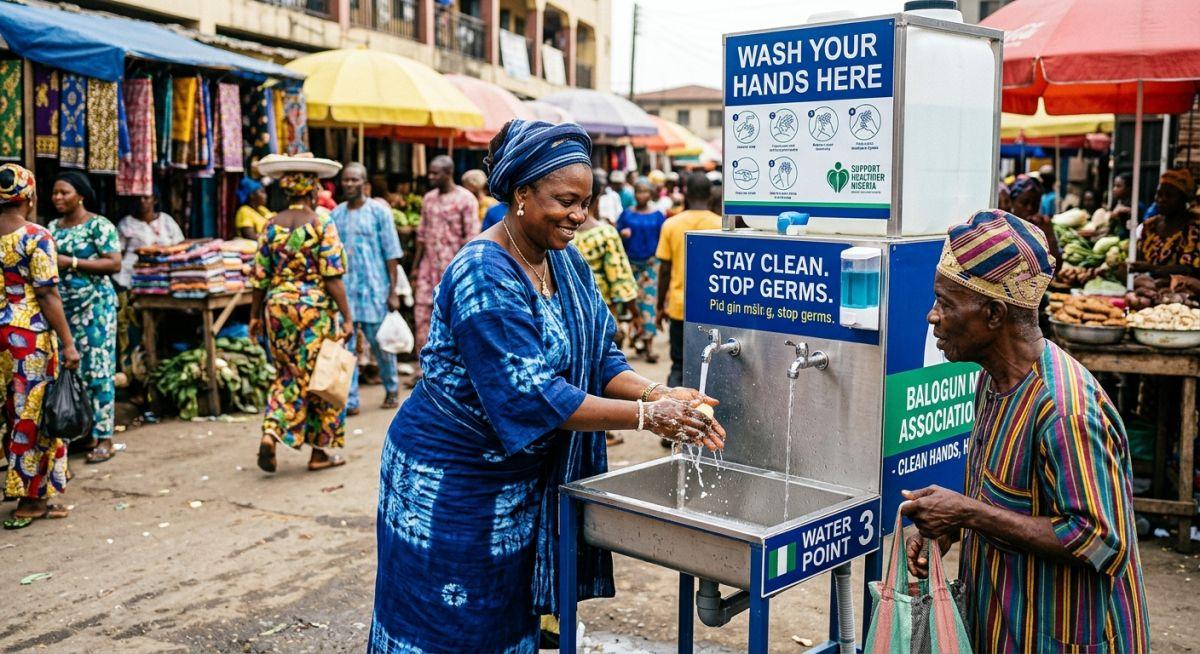
Why simple hand-cleaning stations in public places can cut diseases
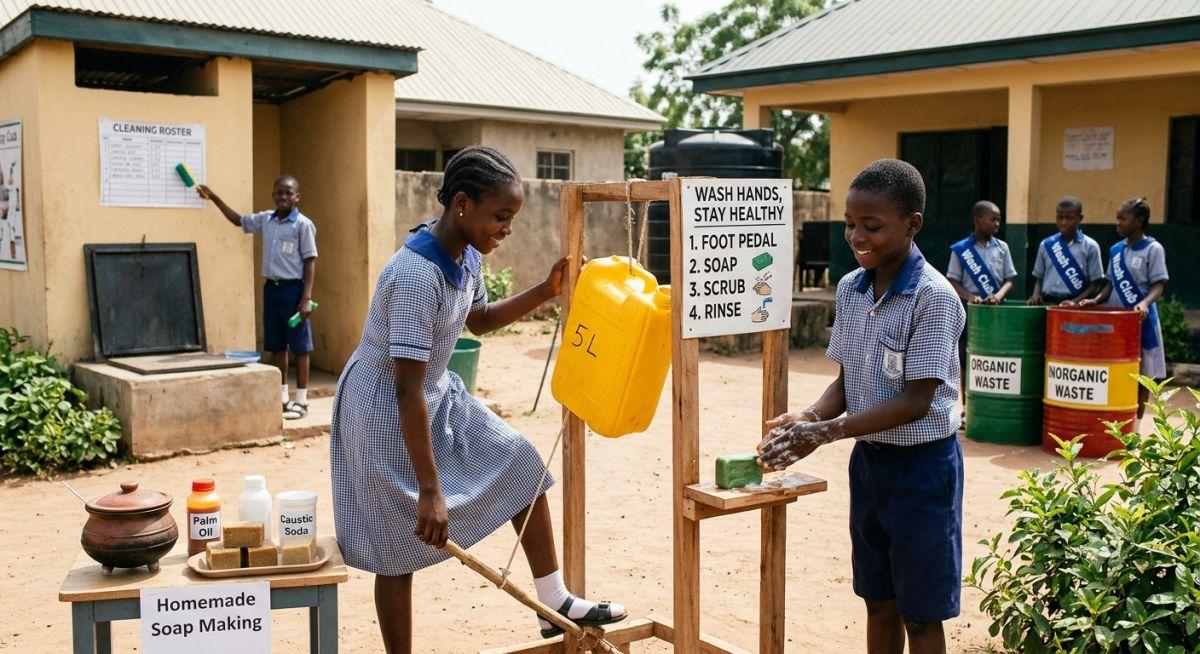
Boost Student Health: Low-Cost Hygiene for Nigerian Schools

Kaduna Community Mourns as Bandits Strike PoS Shop, Claim Three Lives

Tragedy Hits Ugandan Football as SC Villa Captain David Owori Loses Life in Suspected Robbery
NAAE NCAA Chapter Disagrees with National Leadership Over TSC Review