Why simple hand-cleaning stations in public places can cut diseases
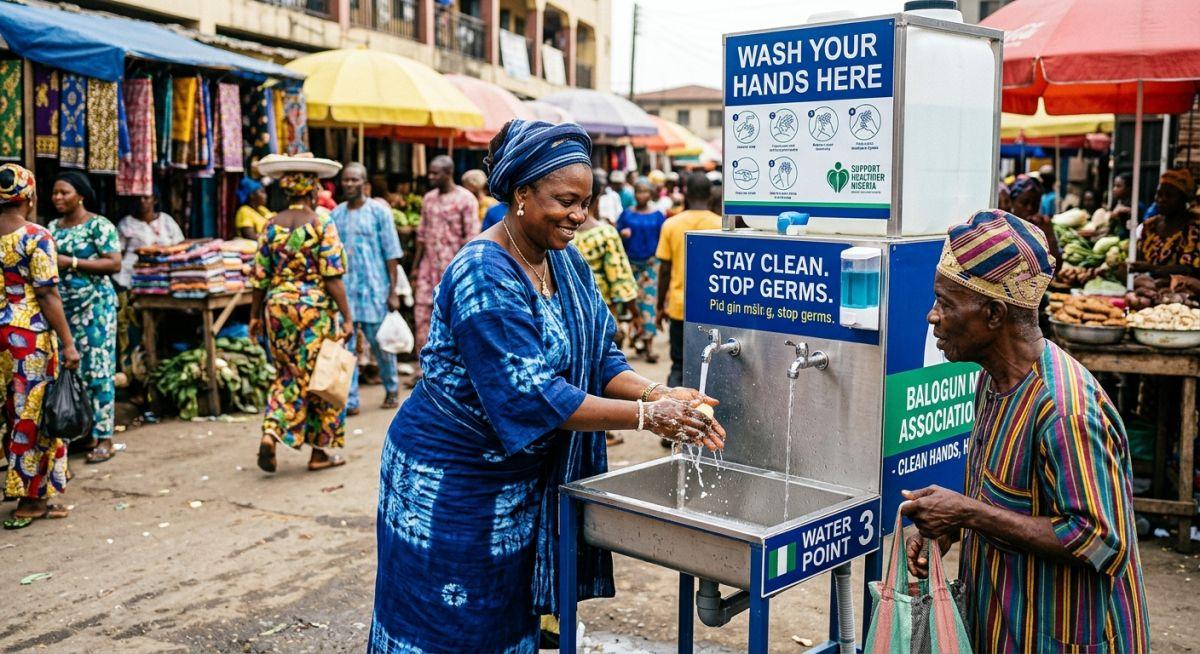
Public spaces, by their very nature, are hubs of interaction, movement, and exchange. While this dynamism is essential for community life, it also presents a silent challenge: the invisible spread of germs. From bustling markets to crowded transport hubs, schools, and healthcare facilities, countless surfaces are touched by numerous hands daily. This constant contact means that infectious agents, from bacteria to viruses, can easily transfer from one person to another. A simple yet profoundly effective solution to this widespread issue lies in the strategic placement of hand-cleaning stations in these public areas. These accessible points for hand hygiene can serve as powerful frontline defenses, significantly cutting down the transmission of diseases and fostering healthier communities across Nigeria.
One of the most immediate and impactful benefits of accessible hand-cleaning stations is their ability to curb the spread of common infectious diseases. Many pathogens, including those responsible for diarrheal diseases like cholera, typhoid, and dysentery – which remain significant public health concerns in Nigeria – as well as respiratory illnesses like the common cold, influenza, and even more serious conditions like Lassa fever, are primarily spread through direct or indirect contact with contaminated hands. When individuals can quickly clean their hands after touching shared surfaces or before eating, the chain of transmission is broken. The World Health Organization (WHO) estimates that proper handwashing can reduce the incidence of diarrheal diseases by 30-48% and respiratory infections by 16-21%. Imagine the collective impact in a busy Lagos market or a public park in Abuja, where hundreds or thousands of hands might touch surfaces daily.
Beyond generalized disease reduction, hand-cleaning stations offer crucial protection for vulnerable populations. Children, the elderly, and individuals with weakened immune systems are disproportionately susceptible to severe illness from infections that might be mild in healthier adults. In schools, for instance, accessible handwashing facilities can dramatically reduce the frequency of illness among students, leading to fewer sick days and improved learning outcomes. Similarly, for older adults frequenting clinics or community centers, the availability of hand sanitizers provides an immediate shield against pathogens that could lead to serious complications. A child in a kindergarten class, for example, is less likely to bring home an infection if hand hygiene is routinely practiced and facilitated throughout
Comments
(0)0/500 · No URLs or profanity allowed
Public spaces, by their very nature, are hubs of interaction, movement, and exchange. While this dynamism is essential for community life, it also presents a silent challenge: the invisible spread...
Related Stories
Boost Student Health: Low-Cost Hygiene for Nigerian Schools

Sokoto Village Under Siege: Bandits Kill Police Officer, Civilians

NaijaPodNews Morning Brief — Tuesday, August 4, 2026

Tragedy Strikes Teddy Don-Momoh as Wife Coach Lara Passes Away

Capital One Closes Over 300 Trump-Linked Accounts Amid Anti-Money Laundering Review