Why Nigerian street food is being studied by global culinary researchers

Full Story
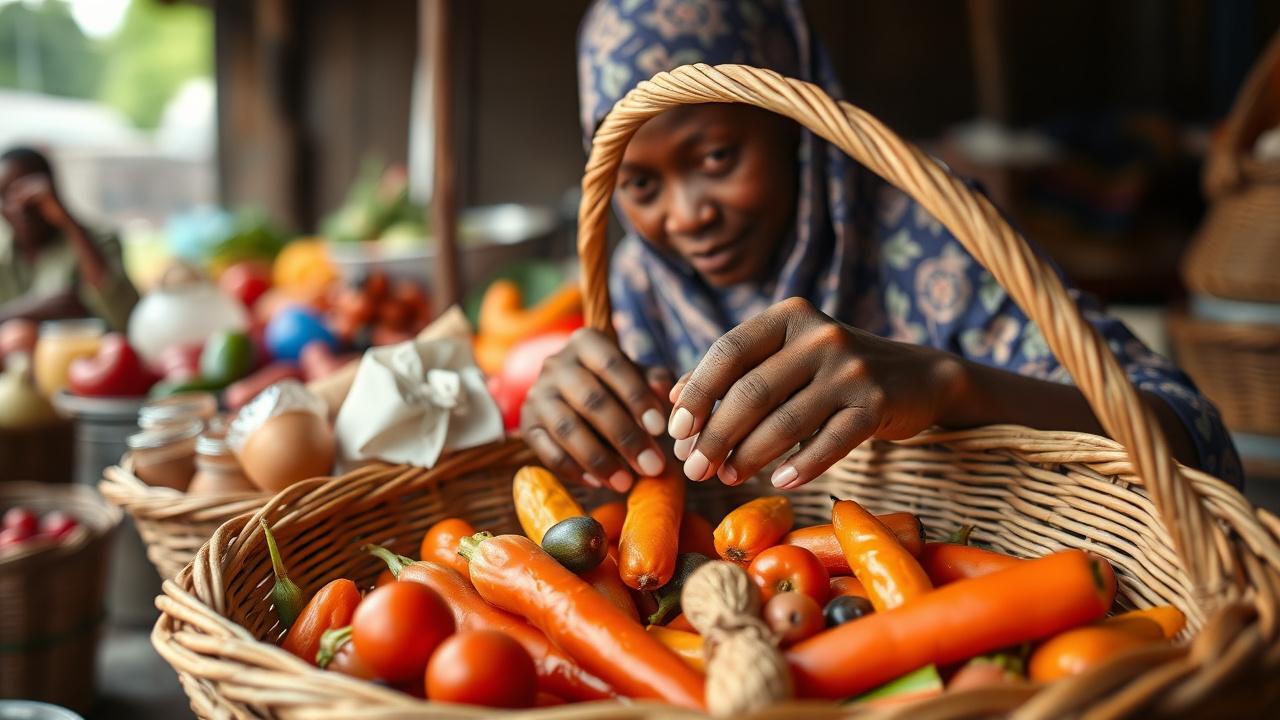
From the bustling markets of Lagos to the quiet streets of Calabar, Nigerian street food has long been a vibrant cornerstone of daily life, offering sustenance, flavour, and cultural connection to millions. Now, this dynamic culinary landscape is drawing significant attention from an unexpected quarter: global culinary researchers and food scientists. No longer merely a local delight, Nigerian street food is increasingly becoming a subject of academic study, with experts worldwide keen to unravel its intricate secrets, from flavour complexity to nutritional value and sustainable practices.
One primary area of interest lies in the remarkable **flavour complexity and ingredient diversity** found within Nigerian street food. Researchers are fascinated by the sophisticated blending of indigenous spices, herbs, and cooking techniques that give each dish its unique character. Take *suya*, for instance: the meticulous preparation of its marinade, often a secret blend of ground peanuts, ginger, garlic, and a medley of peppers, followed by its signature grilling over open flames, creates a depth of smoky, savoury, and spicy notes that is difficult to replicate. Similarly, *akara* (bean cakes) showcases the versatility of locally sourced beans and the art of combining them with specific peppers and onions to achieve a distinct taste and texture. Studies often focus on identifying the specific chemical compounds responsible for these unique flavour profiles, exploring the role of indigenous ingredients like *uziza* (hot-leaf) or *ogiri* (fermented locust beans) in creating umami and enhancing the overall gastronomic experience. This research aims not only to understand but also to potentially adapt and introduce these flavour innovations to a global audience.
Beyond taste, the **nutritional value and potential health benefits** of Nigerian street food are also under scrutiny. Contrary to common misconceptions that often associate street food with unhealthy options, many traditional Nigerian dishes are inherently rich in nutrients, prepared with fresh, often plant-based ingredients, and utilise healthy cooking methods. Researchers are examining staples like *kunu*, a fermented grain beverage, for its potential probiotic properties and its contribution to gut health. The high protein content of *moi-moi* (steamed bean pudding) and the fibre and potassium found in roasted plantain (*bole*) are also areas of study. The traditional processing methods, such as fermentation, steaming, and slow cooking, are
Comments
(0)0/500 · No URLs or profanity allowed
From the bustling markets of Lagos to the quiet streets of Calabar, Nigerian street food has long been a vibrant cornerstone of daily life, offering sustenance, flavour, and cultural connection to...
Related Stories

Michelin-Starred Korean Eatery Boss Fined for Serving Heavy Metal-Laced Ants

Agege Railway Corridor Still Plagued by Indiscriminate Waste Dumping
Food: Nigerians Food Basket Shrinks

Wheat Woes? Naija Cassava to the Rescue! 🇳🇬

Jollof Rice Price Hike: Why Your Favourite Dish Costs More Now