Food: Nigerians Food Basket Shrinks
Full Story
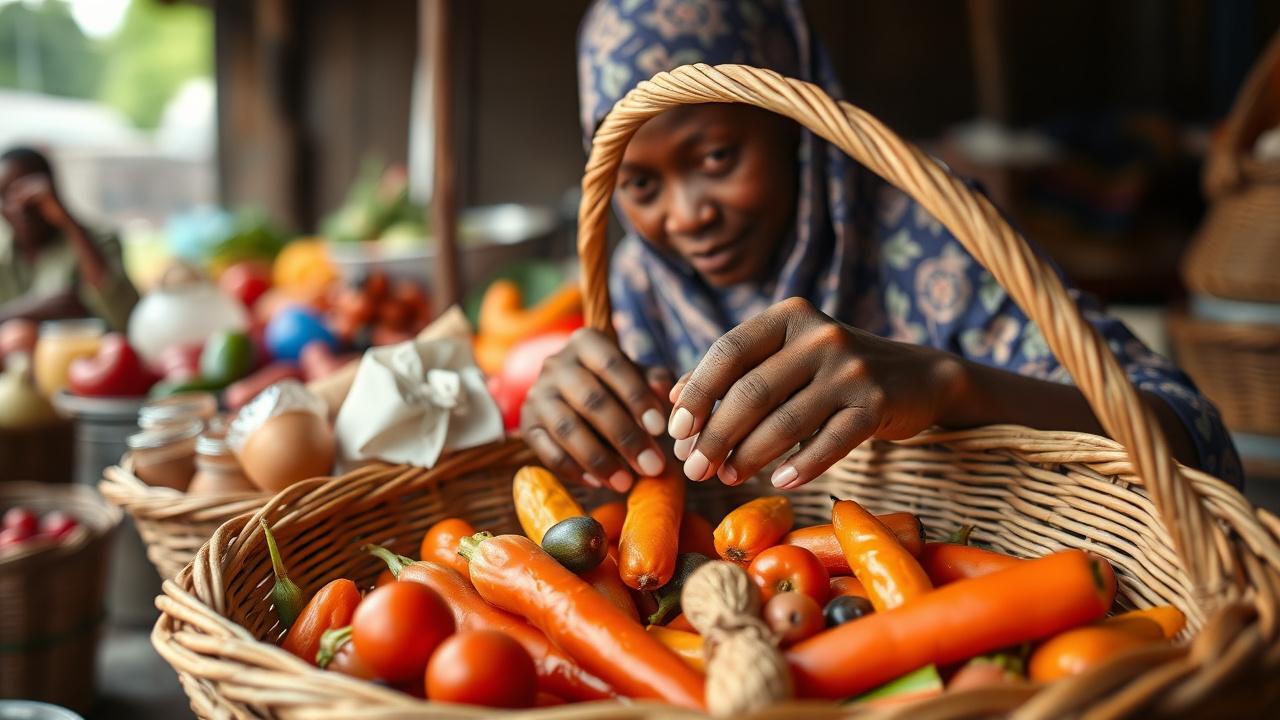
The reality of rising food costs has become a daily experience for many households across Nigeria. From bustling urban markets to remote village stalls, the purchasing power of the average Nigerian seems to diminish with each visit, leading to a noticeable contraction in the variety and quantity of food items making it into the family basket. This trend, often referred to as the "shrinking food basket," is a complex issue driven by a confluence of economic, environmental, and security challenges that impact both food production and distribution nationwide.
One primary factor contributing to this situation is the persistent inflationary pressure and the depreciation of the national currency. Nigeria's food inflation rate has consistently remained high, often exceeding 30% in recent months, according to data from the National Bureau of Statistics (NBS). The weakened Naira directly impacts the cost of imported food items such as wheat, sugar, and certain processed foods, but also significantly drives up the cost of agricultural inputs like fertilizers, pesticides, and machinery, which are often imported. For instance, the price of a 50kg bag of locally produced rice, a staple for many, has seen substantial increases over the past year, reflecting not just local production costs but also the embedded import components in its cultivation and processing. Similarly, the cost of bread, another widespread staple, has risen due to the high cost of imported wheat.
Another critical challenge is the pervasive insecurity in many food-producing regions. Banditry, kidn*pping, and communal clashes have displaced farmers, disrupted farming activities, and made it dangerous to access farmlands in states historically known as Nigeria's food baskets. Regions like Benue, Kaduna, Niger, Zamfara, and Plateau, which are major producers of grains, tubers, and vegetables, have experienced significant reductions in agricultural output. Many farmers have either abandoned their lands or reduced the scale of their operations due to fear for their lives and livelihoods. This directly translates to reduced supply in the markets, pushing prices upwards. For example, the disruption of farming in parts of the North-Central region has impacted the availability and cost of yam and maize, essential commodities for millions.
Climate change and its associated environmental factors also play a significant role. Nigeria has experienced increasingly unpredictable weather patterns, including severe flooding and prolonged droughts. The devastating floods of 2022, for instance, submerged vast expanses of farmlands across several states, including Jigawa, Kebbi, and Anambra, leading to massive crop losses, particularly for rice and other cereals. Conversely, persistent droughts in the northern parts of the country have affected rain-fed agriculture, impacting crops like millet and sorghum. These climatic shocks reduce overall agricultural yield and contribute to scarcity, thereby increasing food prices and limiting the options available to consumers.
Furthermore, inefficiencies within the food supply chain exacerbate the problem. Poor road infrastructure, inadequate storage facilities, and a lack of modern transportation systems lead to significant post-harvest losses. It is estimated that up to 40-50% of perishable goods, such as tomatoes, fruits, and vegetables, spoil before reaching the market or the final consumer. This means a substantial portion of what is produced never makes it to the dinner table. The lengthy and often arduous journey from farm to market, coupled with multiple layers of middlemen, further inflates prices. For example, tomatoes harvested in Kano or Benue often incur considerable losses and transport costs before reaching consumers in Lagos, reflecting in their final market price.
In conclusion, the shrinking food basket for Nigerians is a multifaceted issue driven by high inflation and currency devaluation, widespread insecurity disrupting agricultural production, the adverse impacts of climate change on yields, and systemic inefficiencies in the food supply chain. These intertwined factors collectively reduce the quantity and diversity of food available, making it increasingly difficult for households to afford nutritious meals. Addressing these challenges is paramount to ensuring food security and improving the well-being of the Nigerian population.
Comments
(0)0/500 · No URLs or profanity allowed
Nigerian households face rising food costs daily, shrinking the variety and quantity of food they can afford. This shrinking food basket is a complex issue.
Related Stories

Michelin-Starred Korean Eatery Boss Fined for Serving Heavy Metal-Laced Ants

Agege Railway Corridor Still Plagued by Indiscriminate Waste Dumping

Why Nigerian street food is being studied by global culinary researchers
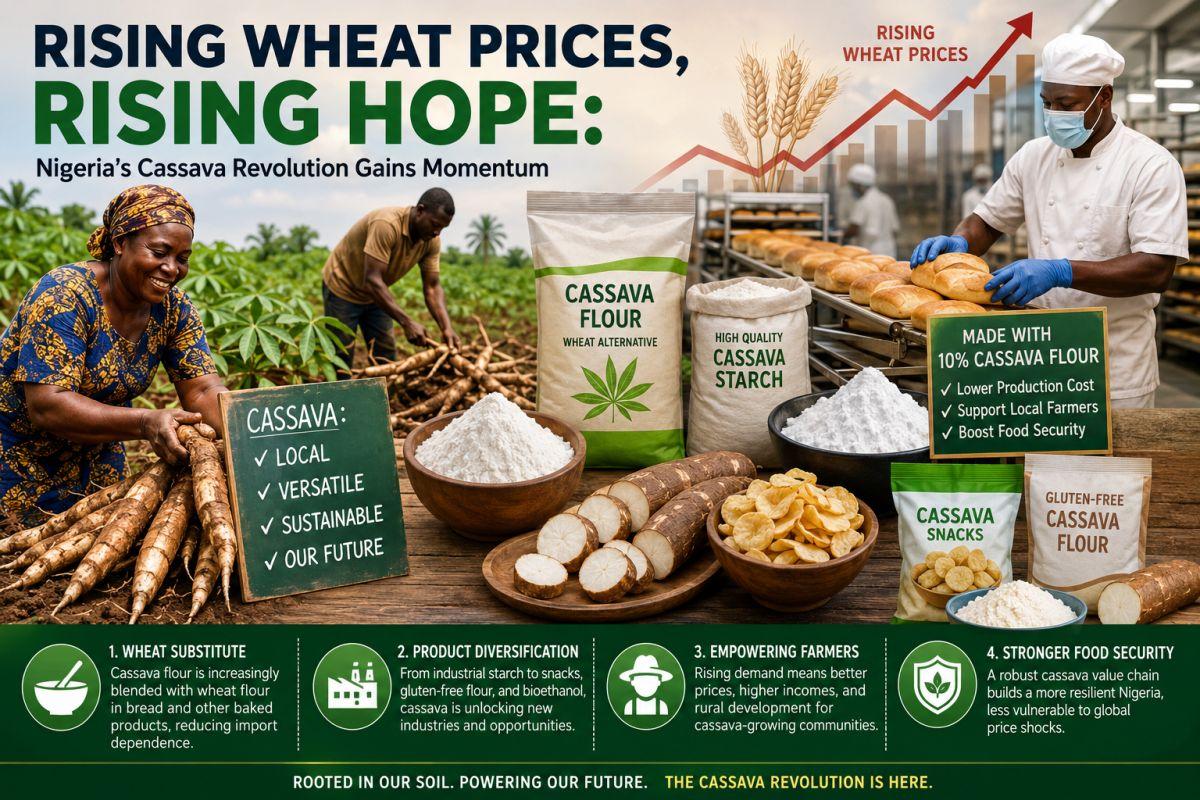
Wheat Woes? Naija Cassava to the Rescue! 🇳🇬
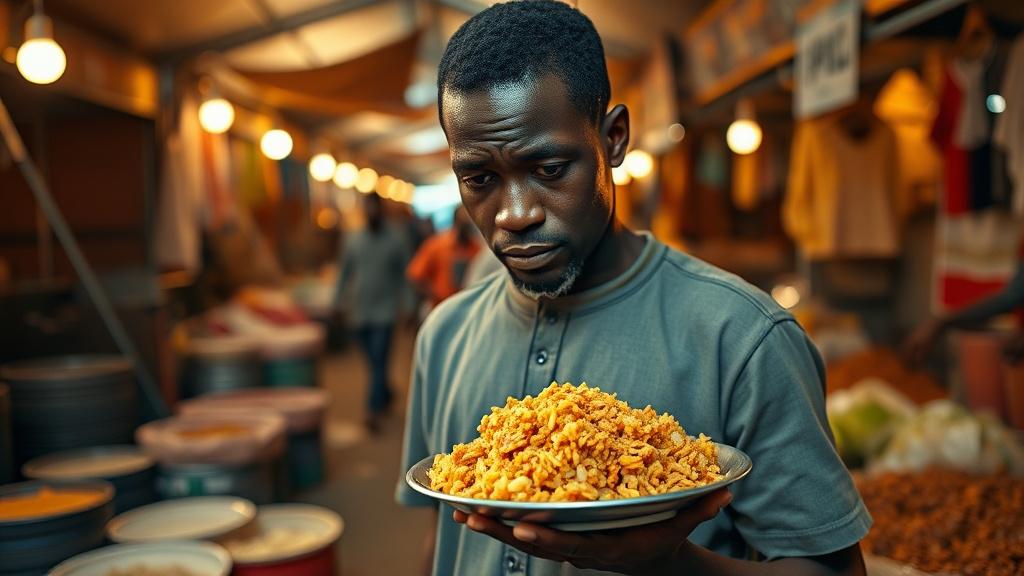
Jollof Rice Price Hike: Why Your Favourite Dish Costs More Now