Jollof Rice Price Hike: Why Your Favourite Dish Costs More Now
Full Story
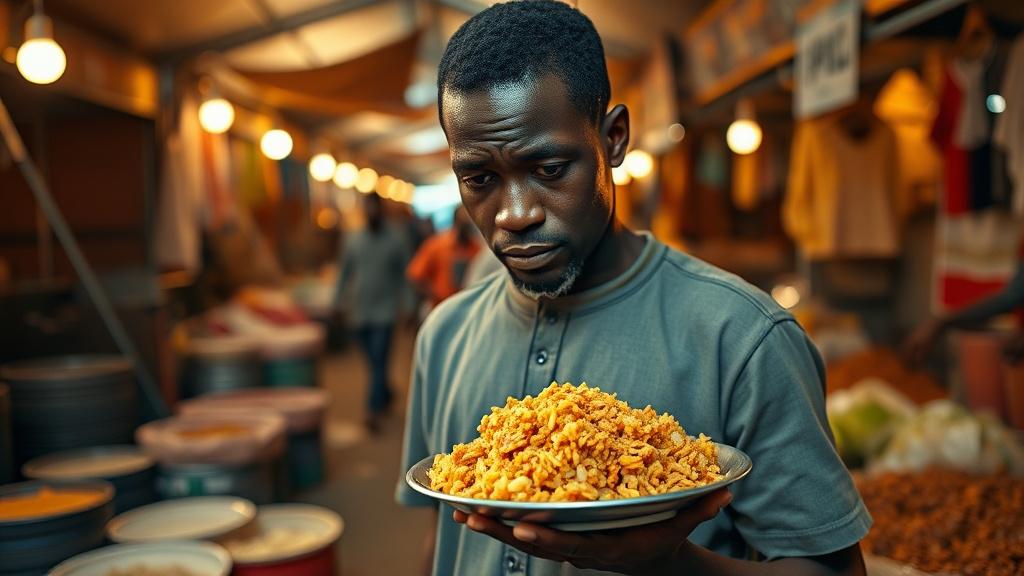
Good morning, listeners, and welcome to NaijaPodNews, your daily dose of Nigerian audio updates. Today, we’re digging into a topic close to every Nigerian’s heart – and stomach: Jollof Rice. But it's not just about the taste; it's about the rising cost of this beloved staple, and what global food inflation means for your wallet.
For many Nigerians, Jollof Rice isn’t just a meal; it’s a celebration, a comfort, a symbol. Yet, the ingredients that bring this iconic dish to life – rice, tomatoes, peppers, onions, and cooking oil – are becoming increasingly expensive. This isn't just a local phenomenon; it's a direct consequence of global food price hikes, exacerbated by local economic pressures. Let’s break down how these global trends are hitting your Jollof pot.
Our first key point is the escalating cost of rice itself. Nigeria is a major consumer of rice, with an estimated annual consumption exceeding 7 million metric tons. While local production has seen some growth, a significant portion is still imported. Global rice prices have been on an upward trajectory, influenced by factors like export restrictions from key producers such as India, and adverse weather conditions affecting harvests in other regions. For instance, the Food and Agriculture Organization (FAO) Food Price Index reported an increase in cereal prices, with rice being a significant contributor. This means the 50kg bag of rice that might have cost N30,000 a year ago could now be selling for upwards of N60,000 in some markets, directly impacting the cost of preparing Jollof for a family gathering.
Secondly, the price of tomatoes and peppers, crucial for that rich, red Jollof base, has also seen substantial increases. While these are largely locally sourced, their prices are not immune to global influences, particularly the cost of transportation and agricultural inputs like fertilizers. The war in Ukraine, for example, has disrupted global fertilizer supply chains, driving up prices for Nigerian farmers. Coupled with seasonal gluts and scarcities, and the high cost of fuel for transporting produce from farms to urban markets, a basket of tomatoes that once cost N2,000 could now easily fetch N5,000 to N7,000 depending on the season and location. This directly translates to more expensive tomato paste or fresh tomatoes for your Jollof.
Our third significant point is the soaring cost of cooking oil. Whether it's palm oil or vegetable oil, this essential ingredient has seen remarkable price hikes. Global palm oil prices, for instance, have been volatile due to disruptions in production from major Southeast Asian producers, coupled with increased demand for biofuels. In Nigeria, a 25-litre jerrycan of groundnut oil that might have cost N25,000 a year ago can now be found for N45,000 or more in many markets. This increment significantly adds to the overall cost of preparing Jollof, where oil is used generously for sautéing and achieving that distinct flavour and texture.
Finally, while often overlooked, the cost of protein – whether chicken, beef, or fish – which often accompanies Jollof Rice, has also climbed. The global increase in feed prices, driven by higher costs of grains like maize and soy, directly impacts the price of poultry and livestock. For instance, a whole frozen chicken that was N3,500 previously might now cost N6,000 or more. Even local fish, affected by fuel costs for fishing boats and transportation, have seen price increases. This means the complete Jollof experience, with its customary protein accompaniment, is becoming a luxury for many.
These rising costs are not isolated incidents but interconnected elements of a broader global food inflation trend, amplified by Nigeria's specific economic conditions, including currency devaluation and high fuel prices. For many Nigerian households, this means making difficult choices – reducing portion sizes, opting for cheaper alternatives, or simply eating Jollof less frequently. The celebratory dish is slowly becoming a testament to economic resilience, as families navigate the complexities of providing nutritious and culturally significant meals within tightening budgets.
Thank you for tuning in to NaijaPodNews. We hope this analysis has provided a clear picture of how global food prices are impacting our beloved Jollof Rice and, consequently, your everyday expenses. Stay informed, stay resilient.
Comments
(0)0/500 · No URLs or profanity allowed
Jollof Rice costs are soaring due to global food inflation, impacting every Nigerians wallet. This beloved staple, a symbol of celebration, is now a luxury.
Related Stories

Michelin-Starred Korean Eatery Boss Fined for Serving Heavy Metal-Laced Ants

Agege Railway Corridor Still Plagued by Indiscriminate Waste Dumping

Why Nigerian street food is being studied by global culinary researchers
Food: Nigerians Food Basket Shrinks
Wheat Woes? Naija Cassava to the Rescue! 🇳🇬