Wheat Woes? Naija Cassava to the Rescue! 🇳🇬
Full Story
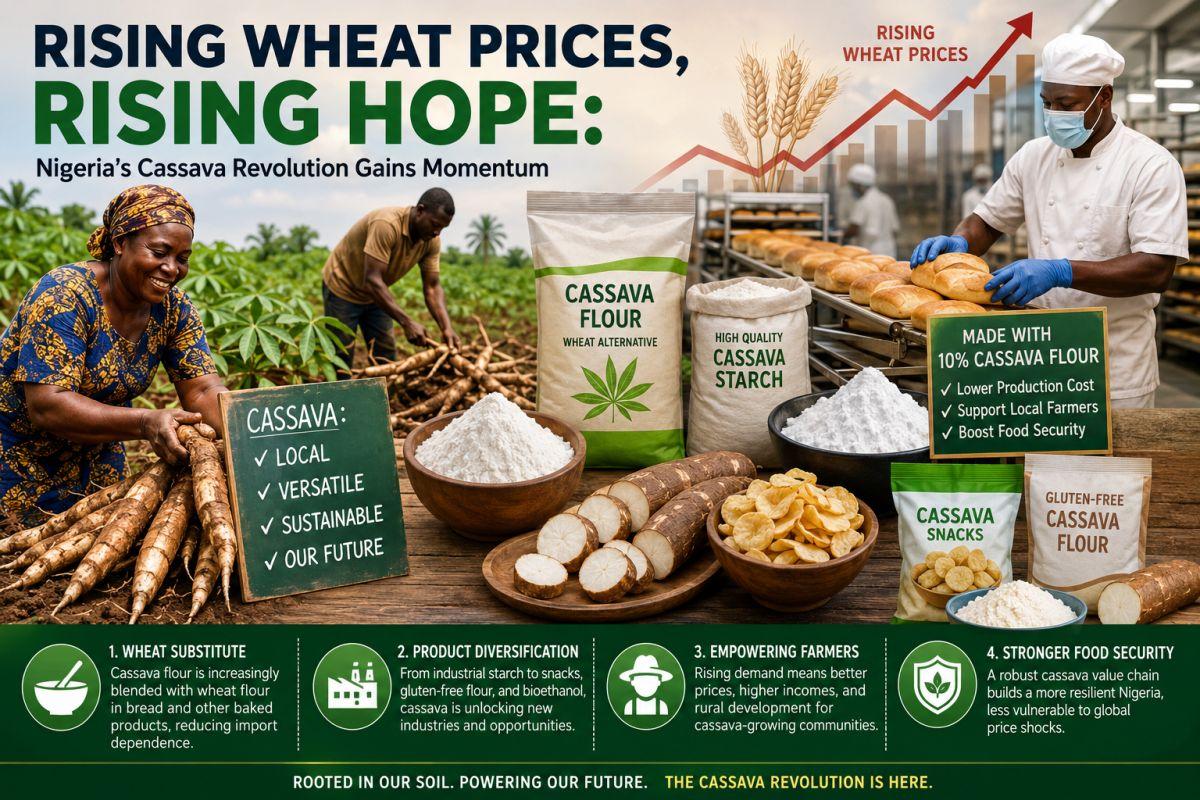
The global food landscape is in constant flux, and recent shifts in international wheat prices are sending ripples across Nigeria, inadvertently sparking a significant resurgence in the cultivation and consumption of a homegrown staple: cassava. While the immediate impact of rising wheat costs presents challenges, it is simultaneously catalyzing a quiet revolution, pushing Nigeria closer to food security and economic diversification through its abundant cassava resources.
For decades, Nigeria has been a major importer of wheat, with its consumption deeply embedded in urban diets, driving the demand for baked goods, pasta, and other wheat-based products. However, external factors such as geopolitical conflicts, climate change impacts on major wheat-producing regions, and fluctuating global market dynamics have consistently driven up the commodity's price. This upward trend has translated into higher production costs for Nigerian bakers and food manufacturers, ultimately passed on to consumers. This economic pressure is compelling a re-evaluation of local alternatives, with cassava emerging as a formidable contender.
One of the most significant shifts driven by this cassava revolution is the increasing integration of cassava flour into various food products.
Key point 1: Cassava flour as a wheat substitute. Nigerian bakeries and food processing companies are actively experimenting with and adopting composite flours, blending cassava flour with wheat flour to reduce reliance on imported wheat. For instance, the Standards Organisation of Nigeria (SON) has been promoting a 10% cassava flour inclusion in bread, a policy that is now gaining renewed traction due to economic necessity. This not only lowers production costs but also stimulates local demand for cassava, providing a more stable market for farmers. Companies like Honeywell Flour Mills and Flour Mills of Nigeria are investing in research and development to optimize the blend, ensuring product quality and consumer acceptance.
Beyond flour, the versatility of cassava is being rediscovered and leveraged across numerous sectors.
Key point 2: Diversification of cassava-based products. Historically, cassava was primarily known for garri, fufu, and starch. However, the current impetus is driving innovation into a wider range of products. Cassava can be processed into high-quality industrial starch, which has applications in pharmaceuticals, textiles, and paper industries, reducing the need for imported industrial starches. Furthermore, entrepreneurs are exploring cassava-based snacks, gluten-free flours, and even bioethanol production, opening new revenue streams and creating employment opportunities. This diversification is crucial for building a resilient cassava value chain.
The economic implications for Nigerian farmers are substantial.
Key point 3: Enhanced farmer income and rural development. Increased demand for cassava translates directly into better prices for farmers. As demand for cassava flour and other derivatives rises, farmers are incentivized to expand cultivation and invest in improved farming techniques and processing technologies. This not only boosts their income but also contributes to rural economic development, potentially reducing rural-urban migration by creating more viable agricultural livelihoods. States like Benue, Kogi, and Oyo, known for significant cassava cultivation, are witnessing a renewed focus on supporting cassava farmers with access to improved seedlings and technical assistance. For example, the International Institute of Tropical Agriculture (IITA) in Ibadan has been instrumental in developing high-yielding, disease-resistant cassava varieties that can further boost productivity.
Furthermore, the emphasis on local alternatives is strengthening Nigeria's overall food security posture.
Key point 4: Strengthening food security and reducing import dependency. By prioritizing local cassava production and consumption, Nigeria is taking concrete steps towards reducing its vulnerability to global price fluctuations and supply chain disruptions. A robust domestic food system, less reliant on imports, provides greater stability and ensures a more consistent supply of staple foods for its growing population. The National Root Crops Research Institute (NRCRI) Umudike is continuously working on improving cassava varieties for various applications, contributing to this goal.
This cassava revolution is not without its challenges, including ensuring consistent quality, improving processing infrastructure, and addressing logistical hurdles. However, the current economic climate is providing a powerful catalyst for change. The rising global wheat prices, while presenting immediate challenges, are inadvertently pushing Nigeria towards a more self-sufficient and diversified food future, with cassava at its heart. This shift underscores a broader movement towards leveraging local resources to build a more resilient and sustainable economy.
Comments
(0)0/500 · No URLs or profanity allowed
Wheat prices up, boosting Nigerias cassava. This shift strengthens food security and diversifies the economy.
Related Stories

Michelin-Starred Korean Eatery Boss Fined for Serving Heavy Metal-Laced Ants

Agege Railway Corridor Still Plagued by Indiscriminate Waste Dumping
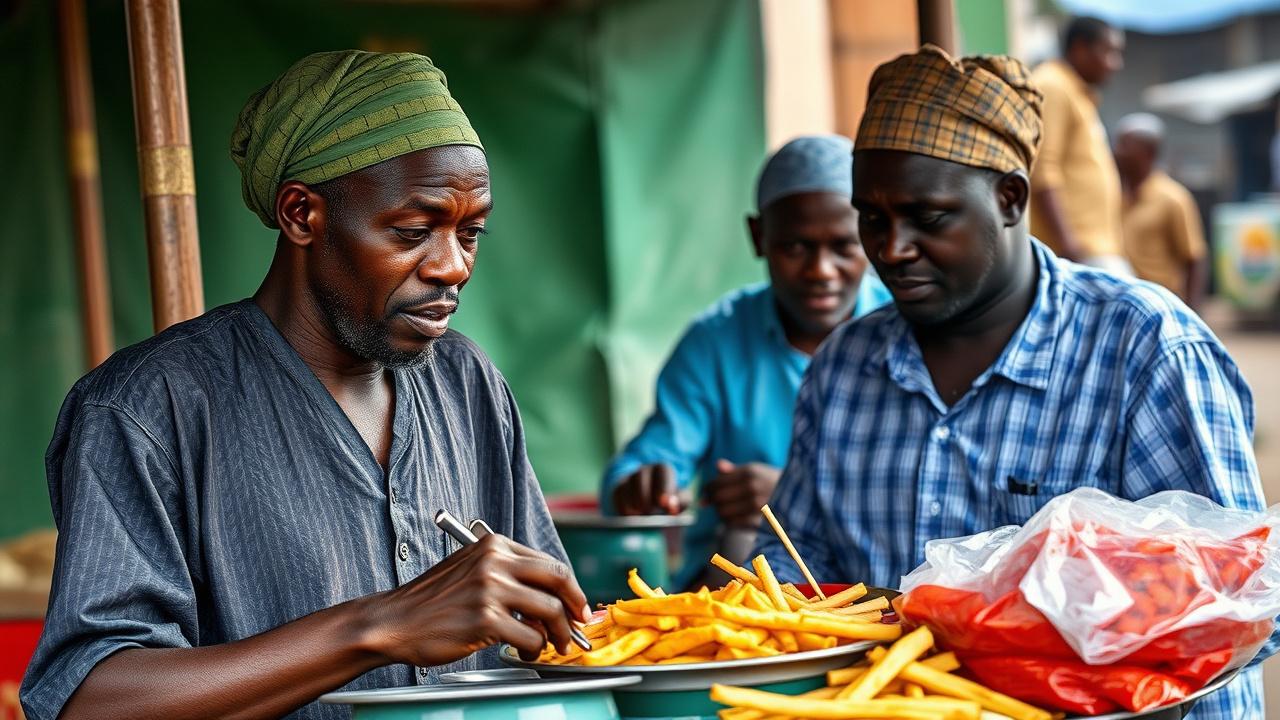
Why Nigerian street food is being studied by global culinary researchers
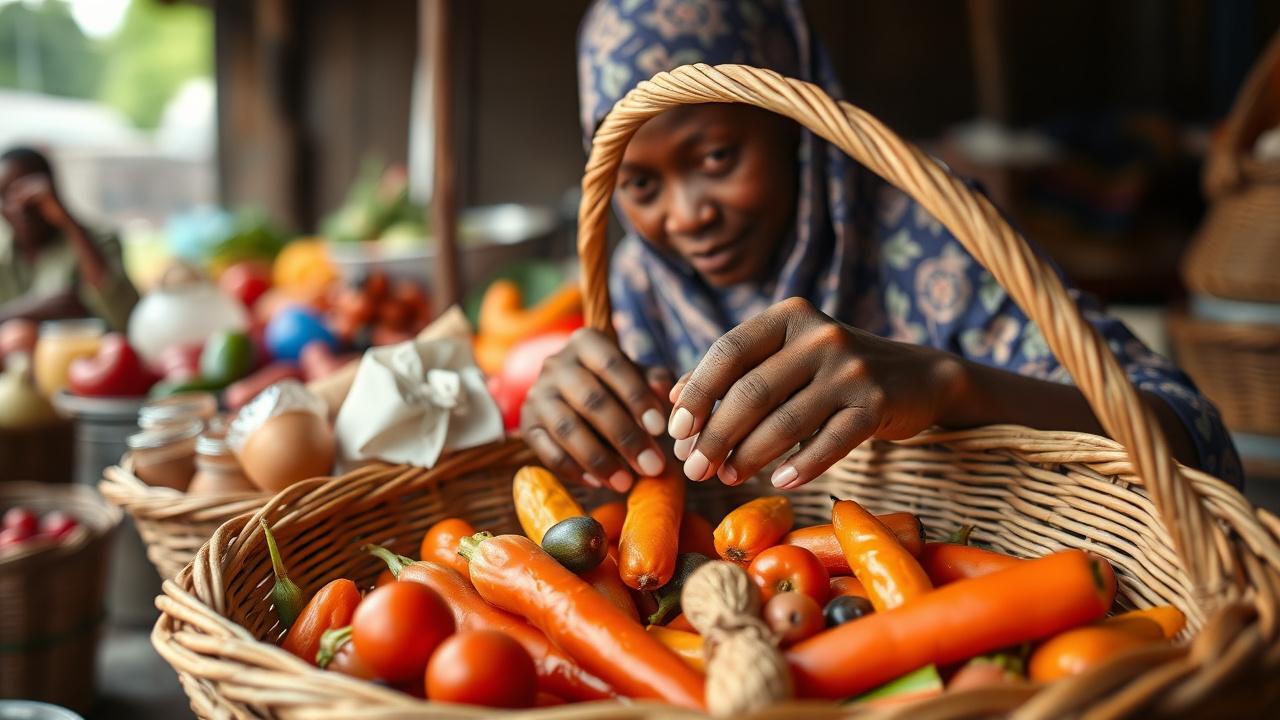
Food: Nigerians Food Basket Shrinks

Jollof Rice Price Hike: Why Your Favourite Dish Costs More Now