Geography: Nigerias Coastal Erosion
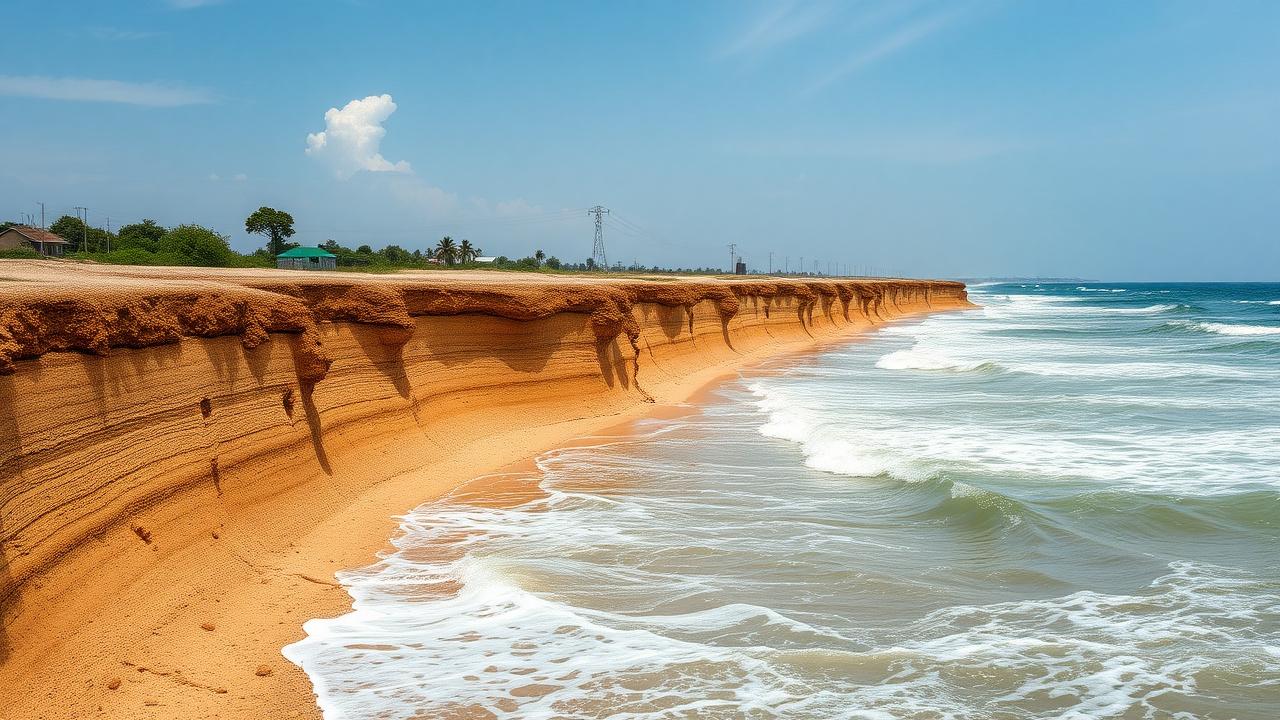
Nigeria, with its extensive coastline stretching approximately 853 kilometers along the Atlantic Ocean, is blessed with significant maritime resources and bustling coastal cities. However, this vital interface between land and sea faces a growing environmental challenge: coastal erosion. This phenomenon, which involves the gradual wearing away of land by natural forces like waves, tides, and currents, is profoundly reshaping Nigeria’s geography and impacting its human settlements and economic activities. Understanding the dynamics of coastal erosion is crucial for appreciating its long-term implications for the nation.
Coastal erosion in Nigeria is driven by a combination of natural processes and human activities. Naturally, factors such as rising sea levels, strong ocean currents, and intense storm surges contribute significantly. The Atlantic Ocean's powerful waves constantly batter the shoreline, carrying away sediment. Scientific projections indicate a global sea-level rise, which directly translates to increased erosion rates along low-lying coastlines like Nigeria's. Beyond these natural forces, human interventions play a substantial role. For instance, the construction of dams on major rivers, such as the Niger and Benue, reduces the natural sediment load that would otherwise replenish beaches. Furthermore, unchecked sand mining activities in coastal areas, particularly around Lagos, deplete the natural sand buffer, leaving the coastline more vulnerable to wave action. The destruction of natural protective barriers like mangrove forests and coastal vegetation, often for urban development or agriculture, also exacerbates the problem, as these ecosystems typically stabilize shorelines.
The consequences of this erosion are multifaceted, significantly affecting communities and their livelihoods. Many settlements along Nigeria’s coast, particularly fishing villages in the Niger Delta and communities around Lagos, are at direct risk. As the shoreline recedes, homes are destroyed, farmlands are inundated with saltwater, and entire communities face displacement. For example, areas like Alpha Beach in Lagos have seen significant land loss over the decades, forcing residents to relocate repeatedly. The traditional livelihoods of fishing and subsistence farming, which are cornerstones of these communities, are severely disrupted, leading to economic hardship and social instability.
Beyond communities, critical infrastructure and economic assets are also under threat. Nigeria’s coastal zone is home to vital infrastructure, including roads, bridges, oil and gas pipelines, and port facilities. The erosion of land undermines these structures, leading to substantial repair costs or complete loss. Parts of the Lekki-Epe Expressway in Lagos, for instance, have required extensive protective measures due to encroaching waters. The country's lucrative oil and gas industry, largely concentrated in the Niger Delta's coastal and offshore areas, is particularly vulnerable. Erosion can damage wellheads, flow stations, and pipelines, posing environmental risks through potential oil spills and incurring massive economic losses due to interrupted production and repair expenses. Coastal tourism, another potential growth area for Nigeria, is also hampered as beautiful beaches are eroded, and coastal resorts face the threat of collapse.
In response to these challenges, various mitigation efforts are underway, though the scale of the problem often necessitates more comprehensive approaches. Hard engineering solutions, such as the construction of seawalls, groynes, and breakwaters, are visible in several highly vulnerable areas. The extensive Eko Atlantic City project in Lagos, for instance, is protected by an 8.5-kilometer-long sea wall designed to resist the strong Atlantic waves. Soft engineering approaches, including beach nourishment (pumping sand onto eroded beaches) and the restoration of natural coastal ecosystems like mangrove forests, are also being explored and implemented in different regions, especially in the Niger Delta, where mangroves play a crucial role in stabilizing the delta's intricate network of creeks and islands.
Coastal erosion remains a profound and complex geographical challenge for Nigeria.
Videos
Comments
(0)0/500 · No URLs or profanity allowed
Nigerias resource-rich coast faces
Related Stories
Sahels Struggle: Why Desertification Matters to Every Nigerian

Lagos Counterfeit Alcohol Ring Busted by NAFDAC

FCCPC Resumes Crackdown on Digital Lenders After Court Ruling

N45.1 Million Needed for 55-Year-Old Mother's Urgent Kidney Transplant

EXCLUSIVE(SAHARA REPORTERS): Payroll Confirms Mary Habila, Anita Baaki on Umahi University Staff Amidst Death Investigation