Sahels Struggle: Why Desertification Matters to Every Nigerian
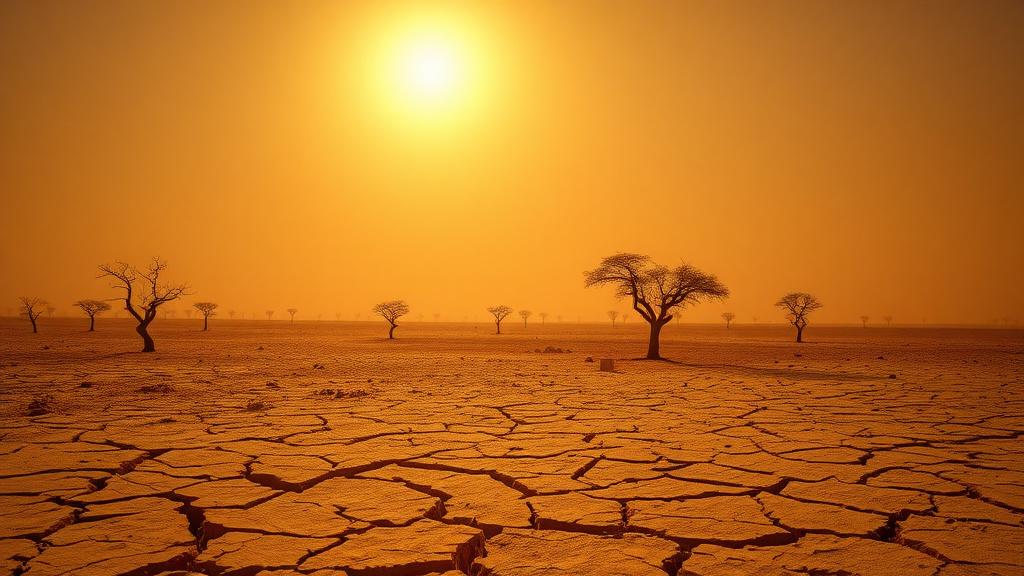
The Sahel, a vast semi-arid belt stretching across Africa just south of the Sahara Desert, is a region of immense ecological and human significance. Home to over 100 million people, it is a delicate ecosystem where life hinges on the precarious balance of rainfall and fertile land. However, this critical region is increasingly threatened by desertification – a process of land degradation in dryland areas resulting from various factors, including climatic variations and human activities. Understanding how this environmental crisis fuels a cascade of socio-economic and security challenges is crucial for the stability and well-being of the entire continent, including Nigeria.
Desertification in the Sahel is not merely the desert expanding; it is the persistent degradation of dryland ecosystems by human activities and climate change. Over-cultivation, overgrazing, deforestation for fuelwood, and unsustainable water management practices, combined with increasingly erratic rainfall patterns and rising temperatures, strip the land of its protective vegetation. This leaves the soil exposed to wind and water erosion, depleting its nutrients and reducing its capacity to support life. The consequences are far-reaching and interconnected.
One of the most immediate and devastating impacts of Sahel desertification is **intensified food insecurity and the collapse of livelihoods**. As fertile lands transform into barren expanses, agricultural productivity plummets. Farmers, who constitute a large percentage of the Sahelian population, find their once-productive fields yielding less and less, or becoming entirely unusable. For instance, in northern Nigeria, communities heavily reliant on rain-fed agriculture for staple crops like millet and sorghum face chronic food shortages as their farming seasons become shorter and less predictable. Similarly, pastoralist communities struggle to find adequate pasture and water for their livestock, leading to reduced herd sizes, disease, and economic hardship. This loss of primary income sources pushes millions into extreme poverty, making them highly vulnerable to hunger and malnutrition.
Secondly, desertification acts as a major driver of **climate migration and internal displacement**. When people can no longer sustain themselves on their ancestral lands due to environmental degradation, they are forced to seek new homes and opportunities elsewhere. This often means moving from rural areas to already overstretched urban centers, or across national borders. The shrinkage of Lake Chad, for example, which has lost over 90% of its surface area since the 1960s, has displaced hundreds of thousands of people in Nigeria, Niger, Chad, and Cameroon. These environmental refugees often arrive in new areas with limited resources, placing immense pressure on existing infrastructure, social services, and natural resources, sometimes fueling tensions with host communities.
A third critical consequence is the **escalation of resource-based conflicts**. As fertile land and water become scarcer commodities, competition over these vital resources intensifies, particularly between different livelihood groups. A prominent example in Nigeria is the protracted conflict between nomadic pastoralists and sedentary farming communities. Traditionally, herders would move south during the dry season, but desertification in the far north forces them further south, earlier and for longer periods, into areas previously reserved for farming. This encroachment often leads to destruction of crops, disputes over grazing routes, and direct clashes, resulting in loss of life, displacement, and widespread insecurity in states like Benue, Plateau, and Kaduna. These conflicts divert resources, disrupt social cohesion, and undermine development efforts.
Finally, the environmental degradation associated with desertification places **immense economic strain on nations and exacerbates poverty**. Governments in affected regions must divert significant portions of their budgets towards humanitarian aid, managing displaced populations, and peace-building initiatives, rather than investing in long-term development. The loss of agricultural output impacts national food security and can lead to increased food imports, draining foreign exchange reserves. Furthermore, the destruction of ecosystems leads to a loss of biodiversity and ecosystem services, further hindering future economic recovery and sustainable development. The cycle of poverty and environmental degradation becomes increasingly difficult to break.
Comments
(0)0/500 · No URLs or profanity allowed
Sahels delicate ecosystem and 100M people face growing desertification. Climate change and human activity threaten this vital region.
Related Stories
Makoko Waterfront Scheme Gets Nod from FG, Lagos, Says State Official

FG Moves to Get Accurate Count of Out-of-School Kids

EXCLUSIVE(SAHARA REPORTERS): Detained Army Captain's Health Woes Stall Court Martial Proceedings

Favor Agbro's Pre-Suicide Video Details Alleged Rape by Odogwu Asaba
Jollof Rice Price Hike: Why Your Favourite Dish Costs More Now