I Might Not Even Be Alive for 2027" – Peter Obi’s Stark Warning: Time for Action, Not Just Outrage
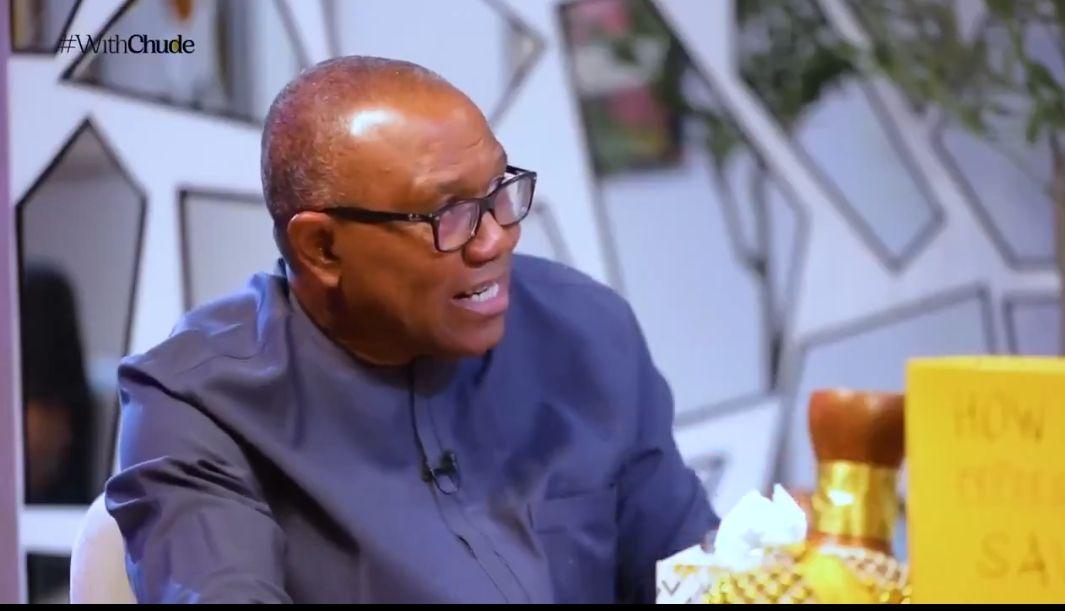
Peter Obi’s Chude Interview: Safety Fears, Political Persecution Claims, and the Polarized Reactions
In a recent candid interview on With Chude with media personality Chude Jideonwo, Peter Obi, the 2023 Labour Party presidential candidate and now NDC front-runner for 2027, openly expressed deep concerns about his personal safety and the alleged systematic frustration of his life and businesses by the current administration.
Key Statements from the Interview
Obi stated: “Not even a candidate. I might not even be alive. I’m telling you. Every single thing I do for a living, this government is frustrating it, deliberately so... So there is even a possibility, if they have the opportunity, I will not be alive.”
He described indirect pressures, including difficulties at airports, social invitations withdrawn due to fear of association, attacks on him personally, and broader targeting of opposition figures. Obi framed these as consequences of playing opposition politics in Nigeria, while stopping short of direct accusations against specific individuals. He also touched on eroded compassion, division, and the personal toll of challenging the system.8f8c01
The interview has gone viral, sparking intense debate.
Support for Obi’s Statements
Many Nigerians, especially in the opposition and civil society, view Obi’s remarks as a brave whistleblower moment highlighting democratic backsliding:
Legitimate Security Concerns: Nigeria has a history of threats against opposition figures, journalists, and activists. Obi’s claims align with broader reports of harassment, selective enforcement, and insecurity affecting everyone. Supporters argue that dismissing them outright endangers opposition space.
Pattern of Frustration: Allegations of business interference, airport incidents, and social ostracism fit a narrative of “they” (state actors or proxies) making life difficult for vocal critics. Atiku Abubakar and Rabiu Musa Kwankwaso echoed calls for protection of opposition voices and due process.
Call for Accountability: Supporters say raising these issues publicly strengthens democracy by demanding the government protect all citizens equally, not just ruling party allies. It humanizes the cost of opposition in a high-stakes environment.
Authenticity: Obi’s long-standing image as a frugal, business-savvy leader lends credibility; many see this as genuine exhaustion rather than political theater.
Criticism of the Interview
Critics, including government supporters and some neutrals, argue the statements are problematic:
Fear-Mongering or Pity Play: Detractors call the remarks “childish,” “reckless,” or a sympathy bid for 2027 votes. They question why a major politician would publicly signal vulnerability instead of projecting strength or providing evidence to security agencies.e5bfab
Lack of Concrete Evidence: Obi described patterns and indirect actions but avoided naming perpetrators. Critics say this fuels speculation without actionable proof, potentially undermining his credibility or inciting unrest.
Political Timing: With 2027 approaching, some view it as strategic positioning—portraying himself as a victim of a repressive regime to rally Obidients and independents.
Government Response: The Presidency and APC allies pushed back, accusing Obi of exaggeration or playing politics with national security. They argue the government has not directly threatened him and that such claims distract from policy debates.30dcd0
Some even within pro-opposition circles expressed mixed feelings, worrying that voicing fear could demoralize supporters or signal weakness.
Broader Context and Implications
This episode reflects deeper tensions in Nigerian politics: a polarized landscape where opposition is often framed as subversion, and governance critiques meet accusations of disloyalty. Insecurity remains a national crisis affecting all, but when opposition leaders feel personally targeted, it raises questions about the health of democracy.
Obi’s interview underscores the high personal stakes for politicians challenging the status quo. Whether his fears are substantiated or overstated, they spotlight the need for:
Robust protection of opposition figures.
Independent investigations into harassment claims.
Mature political discourse over insults.
Nigeria’s democracy thrives when dissent is protected, not persecuted. As 2027 nears, the real test will be whether institutions prioritize citizen safety and fair play over partisan advantage.
Videos
Comments
(0)0/500 · No URLs or profanity allowed
Peter Obi’s Chude Interview: Safety Fears, Political Persecution Claims, and the Polarized Reactions In a recent candid interview on With Chude with media personality Chude Jideonwo, Peter Obi, the 2023 Labour Party presidential candidate and now NDC front-runner for 2027, openly expressed deep concerns about his personal safety and the alleged systematic frustration of his life and businesses by the current administration. Key Statements from the Interview Obi stated: “Not even a candidate. I might not even be alive. I’m telling you. Every single thing I do for a living, this government is frustrating it, deliberately so... So there is even a possibility, if they have the opportunity, I will not be alive.”
Related Stories
Maryland Faces DOJ Lawsuit Over Sanctuary Policies Allegedly Blocking Immigration
N1.85 Trillion 2026 Budget Presented to Rivers Assembly by Governor Fubara
State Police: IGP Egbetokun Endorses Reforms, Promises Abuse Safeguards
Trump Axes Remaining Federal Election Commissioners Ahead of US Midterms
Abiodun Confident All State Assemblies Will Simultaneously Pass Police Bill