Abiodun Confident All State Assemblies Will Simultaneously Pass Police Bill
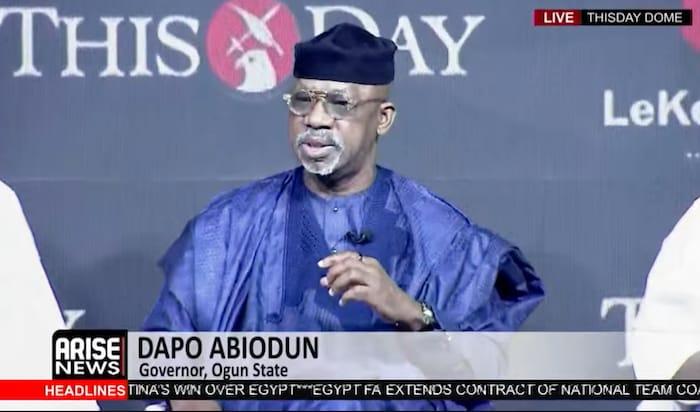
Ogun State Governor, Dapo Abiodun, has expressed strong belief that the proposed constitutional amendment to establish state police will receive concurrent approval from all 36 state Houses of Assembly. He characterized this reform as the fulfillment of an ambition long cherished by governors across Nigeria.
Speaking at the ARISE NEWS Townhall dedicated to the topic of State Police, Governor Abiodun highlighted June 24, 2026, as a pivotal moment in Nigeria's democratic narrative. He noted that President Bola Tinubu's action of transmitting the executive bill to the National Assembly, followed by its swift consideration and passage by the Senate on the very same day, represented a significant breakthrough, especially considering previous administrations' inability to achieve similar reforms.
“Our objective is to ensure that all our Houses of Assembly approve this bill on the exact same day,” Abiodun stated. He added, “What we are witnessing is a dream that has been nurtured for many years finally coming to fruition. June 24, 2026, will forever be a historic date in this nation’s history. That was the day Mr. President forwarded the executive bill for state police creation to the National Assembly, and the Senate debated and effectively passed it on the same day.”
The governor attributed the widespread national acceptance of the proposal to extensive consultations conducted with various key stakeholders before its presentation to the legislature. “I am truly excited that we are even having this discussion, because it has garnered broad national consensus,” he remarked.
Abiodun further elaborated on why governors have consistently championed state policing. He pointed out that despite their constitutional designation as chief security officers of their respective states, their operational powers remain limited, even though they bear substantial financial responsibility for maintaining law enforcement agencies. “This is a matter we have desired for a long time, because, as you know, we are meant to be the chief security officers of our states, yet we have had very little authority. Despite this, we have largely funded and supported police commissions in our various states, as peace, security, and the welfare of our citizens are our primary concerns.”
He disclosed that the Nigeria Governors’ Forum (NGF) promptly formed a committee, comprising governors and state attorneys-general, to thoroughly examine the proposal and provide necessary support for the executive bill prior to its submission to the National Assembly. “The Nigeria Governors’ Forum immediately established a committee of governors and some of our attorneys general to deliberate and scrutinize this subject, so we could offer the essential support to this executive bill, and that is precisely what has occurred,” Abiodun explained.
According to the governor, the proposed state police structure validates years of advocacy for community policing and builds upon the successes of regional security initiatives, citing the South-west Security Network, Amotekun, as an example. “What we see here, I believe, confirms what we have long championed, which is community policing.”
Abiodun also highlighted that this reform would bolster national security by significantly increasing the number of police personnel available nationwide, thereby improving the police-to-population ratio. “If the call goes out today, you would likely have an additional 300,000 to 400,000 boots on the ground across all states,” he projected.
However, he cautioned that passing the constitutional amendment is merely the initial phase of the process. The subsequent focus for lawmakers and stakeholders will be on developing the comprehensive legal framework that will govern the operations of state police. “The majority of the effort lies in sitting down and ensuring that the new bill addresses how the new state police will function, their structure, their relationship with the new national police, and the safeguards to prevent any abuses.”
The governor specified that the forthcoming legislation would encompass critical areas such as funding mechanisms, training protocols, oversight structures, the role of police service commissions, and operational standards to guarantee the effective functioning of the new policing system. “The funding for this police, the training for the police, and all other associated measures that will ensure that, indeed, the new state police functions as envisioned,” he affirmed.
Abiodun further revealed his involvement in a federal government committee tasked with formulating the operational framework for state policing within a seven-week timeframe. “I also have the privilege of being part of the working committee established by the federal government to produce, within the next seven weeks, what this new bill should reflect.”
Addressing inquiries regarding the future of existing joint security operations like Operation Kòsàyè, the governor clarified that state police would operate in conjunction with the federal police, with clearly defined responsibilities for both entities. “Matters related to federal issues, federal crimes, will still be handled by the federal police. Issues of terrorism and interstate matters will be attended to by the federal police, while local issues will be managed by the state police.”
He added that state police officers would primarily be recruited from their respective states. This localized recruitment strategy aims to enhance intelligence gathering and improve community engagement, as officers would be familiar with the terrain, speak the local language, and be closer to the populace. “They will be recruited from that state; they understand and are very familiar with the terrain, they speak the language, they are closer to the people, they will be able to provide better intelligence.”
Finally, Abiodun noted that existing laws, including those governing firearms, would necessitate amendments to accommodate the new policing structure. He emphasized, however, that federal oversight of licensing and professional standards would be maintained. “You cannot have a state police that will not be armed. Of course, there must be adequate control mechanisms to ensure that a licensing or oversight authority still remains at the federal level.”
Erizia Rubyjeana
Follow us on:
Videos
Comments
(0)0/500 · No URLs or profanity allowed
Dis state police matter don dey on ground for many years, so if dem finally approve am, na big win for security. We just pray say dem go use am well to protect citizens and no turn am to weapon for politics.
Source: Arise TV
Related Stories
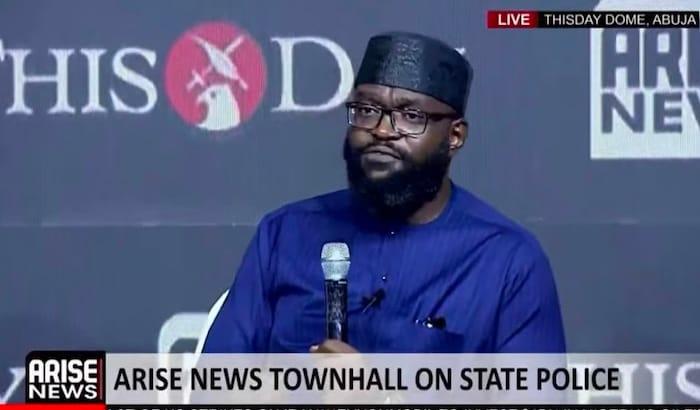
Beyond Constitution: Moghalu Says Policing Bill Key to State Police Rollout
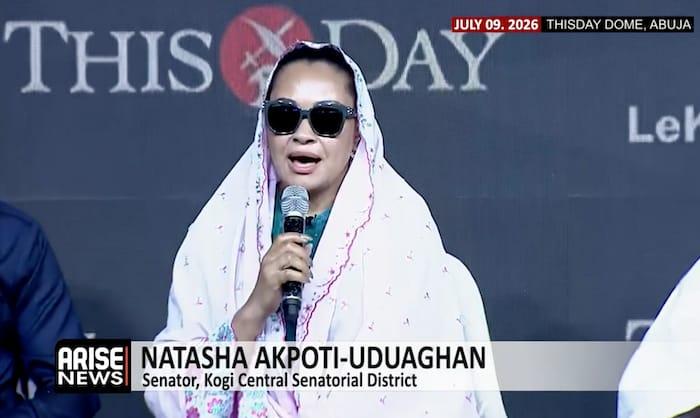
Natasha Akpoti-Uduaghan Calls for Robust Checks on State Police Power

Viral Memo Alleges Palm Beach International Airport to Bear Donald J. Trump's Name
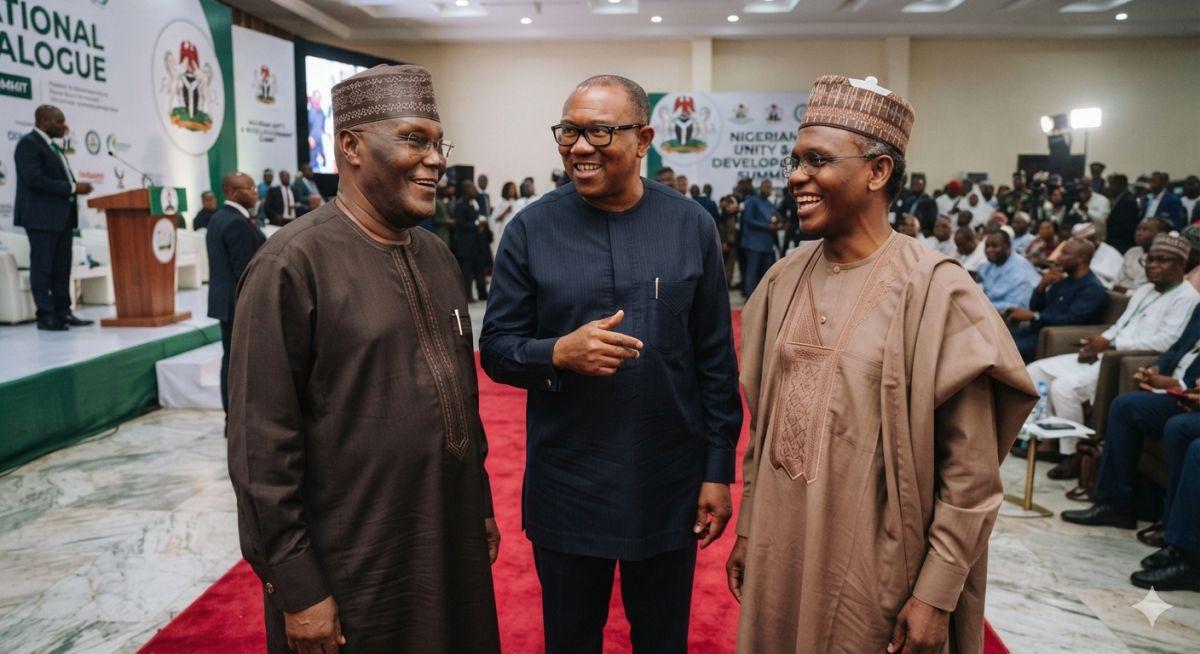
Nothing Must Happen to Obi and El-Rufai, Atiku Warns Tinubu
Presidency Addresses Peter Obi's Security Worries