Beyond B2B E-Commerce: How Offline USSD Mesh Protocols Are Reclaiming Nigeria’s Rural Agriculture
Full Story
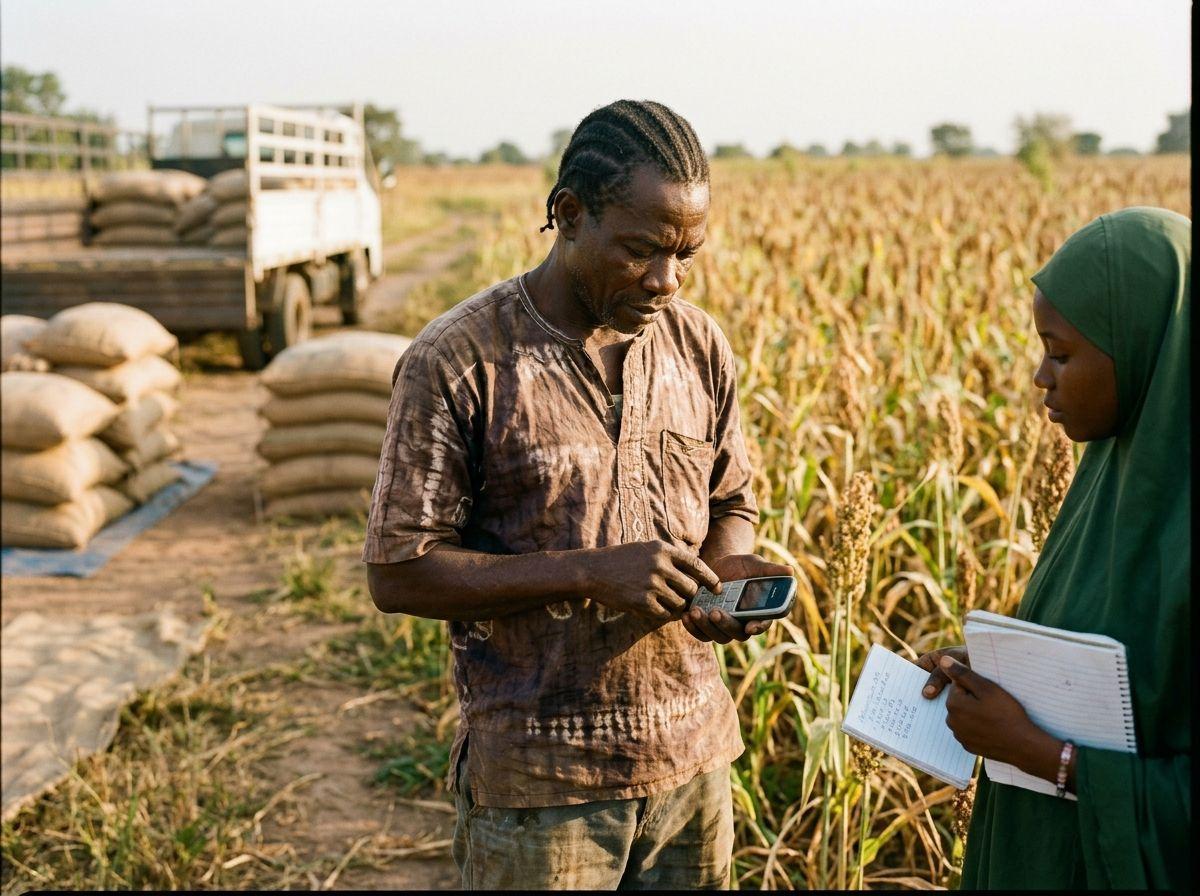
While major African agritech headlines have historically focused on smartphone apps and drone imagery, a quiet, high-impact pivot is taking place across Nigeria’s agricultural heartland. Startups operating across Benue, Kaduna, and Niger states are abandoning data-heavy mobile apps in favor of lightweight USSD protocols and offline mesh networks. These protocols allow smallholder grain farmers to bypass predatory middleman cartels by locking in guaranteed delivery prices directly with industrial food processors in Lagos and Kano weeks before harvest. By utilizing basic feature phones to transmit low-bandwidth cryptographic transaction codes over SMS/USSD rails, local farming cooperatives maintain a transparent ledger of expected yields and aggregated grain volumes. This decentralized data layer eliminates the information asymmetry that traditionally forced rural farmers to sell at distress prices. As logistics aggregators integrate these offline protocols into regional transport routes, Nigeria's agricultural supply chain is becoming significantly more resilient to fuel inflation and network blackouts.
Gallery
Comments
(0)0/500 · No URLs or profanity allowed
While major African agritech headlines have historically focused on smartphone apps and drone imagery, a quiet, high-impact pivot is taking place across Nigeria’s agricultural heartland. Startups operating across Benue, Kaduna, and Niger states are abandoning data-heavy mobile apps in favor of lightweight USSD protocols and offline mesh networks. These protocols allow smallholder grain farmers to bypass predatory middleman cartels by locking in guaranteed delivery prices directly with industrial food processors in Lagos and Kano weeks before harvest. By utilizing basic feature phones to transmit low-bandwidth cryptographic transaction codes over SMS/USSD rails, local farming cooperatives maintain a transparent ledger of expected yields and aggregated grain volumes. This decentralized data layer eliminates the information asymmetry that traditionally forced rural farmers to sell at distress prices. As logistics aggregators integrate these offline protocols into regional transport routes, Nigeria's agricultural supply chain is becoming significantly more resilient to fuel inflation and network blackouts.
Related Stories

The Unplugged Rebound: Why Afrobeats Producers Are Ditching Digital Synthesizers for Live Percussion Orchestras

The Electric Merchant of Alaba International

Beyond Payments: Nigeria’s Open Banking Framework Set to Unlock Personalized Lending and Insurance

The Death of the 2-Hour Movie: How Nigerian Micro-Dramas Are Rewriting African Cinema

Beyond Lagos and Abuja: Why Nigeria’s Next Tech Frontier Is Quietly Building in Kwara and Enugu