Beyond Lagos and Abuja: Why Nigeria’s Next Tech Frontier Is Quietly Building in Kwara and Enugu
Full Story
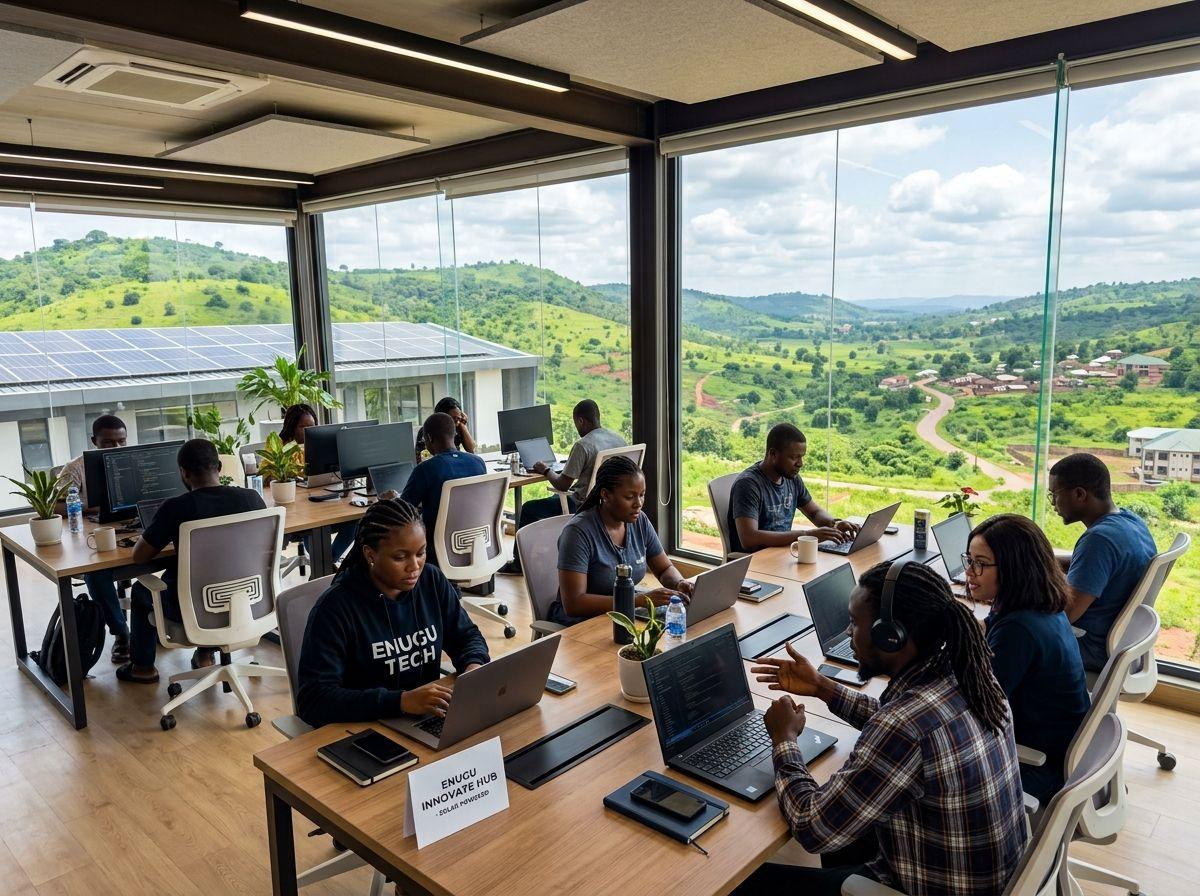
For over a decade, Nigeria’s tech narrative has been dominated by Yaba, Victoria Island, and Abuja’s Central Business District. However, high real estate costs, severe grid instability, and steep operational overheads are driving a silent migration of software developers, AI researchers, and remote engineering leads toward secondary hub cities—most notably Ilorin (Kwara State) and Enugu.
This decentralized shift is supported by independent solar infrastructure networks, lower housing costs, and state-level policy incentives aimed at digital talent retention. By establishing low-overhead innovation clusters outside major metro centers, startup founders are extending their runway while tapping into steady streams of talent graduating from regional universities. As remote-first work models solidify across Africa, Nigeria’s tech density is no longer bound to coastal megacities, creating a distributed digital economy that is far more resilient to localized economic shocks.
Comments
(0)0/500 · No URLs or profanity allowed
For over a decade, Nigeria’s tech narrative has been dominated by Yaba, Victoria Island, and Abuja’s Central Business District. However, high real estate costs, severe grid instability, and steep operational overheads are driving a silent migration of software developers, AI researchers, and remote engineering leads toward secondary hub cities—most notably Ilorin (Kwara State) and Enugu. This decentralized shift is supported by independent solar infrastructure networks, lower housing costs, and state-level policy incentives aimed at digital talent retention. By establishing low-overhead innovation clusters outside major metro centers, startup founders are extending their runway while tapping into steady streams of talent graduating from regional universities. As remote-first work models solidify across Africa, Nigeria’s tech density is no longer bound to coastal megacities, creating a distributed digital economy that is far more resilient to localized economic shocks.
Related Stories

The Death of the 2-Hour Movie: How Nigerian Micro-Dramas Are Rewriting African Cinema
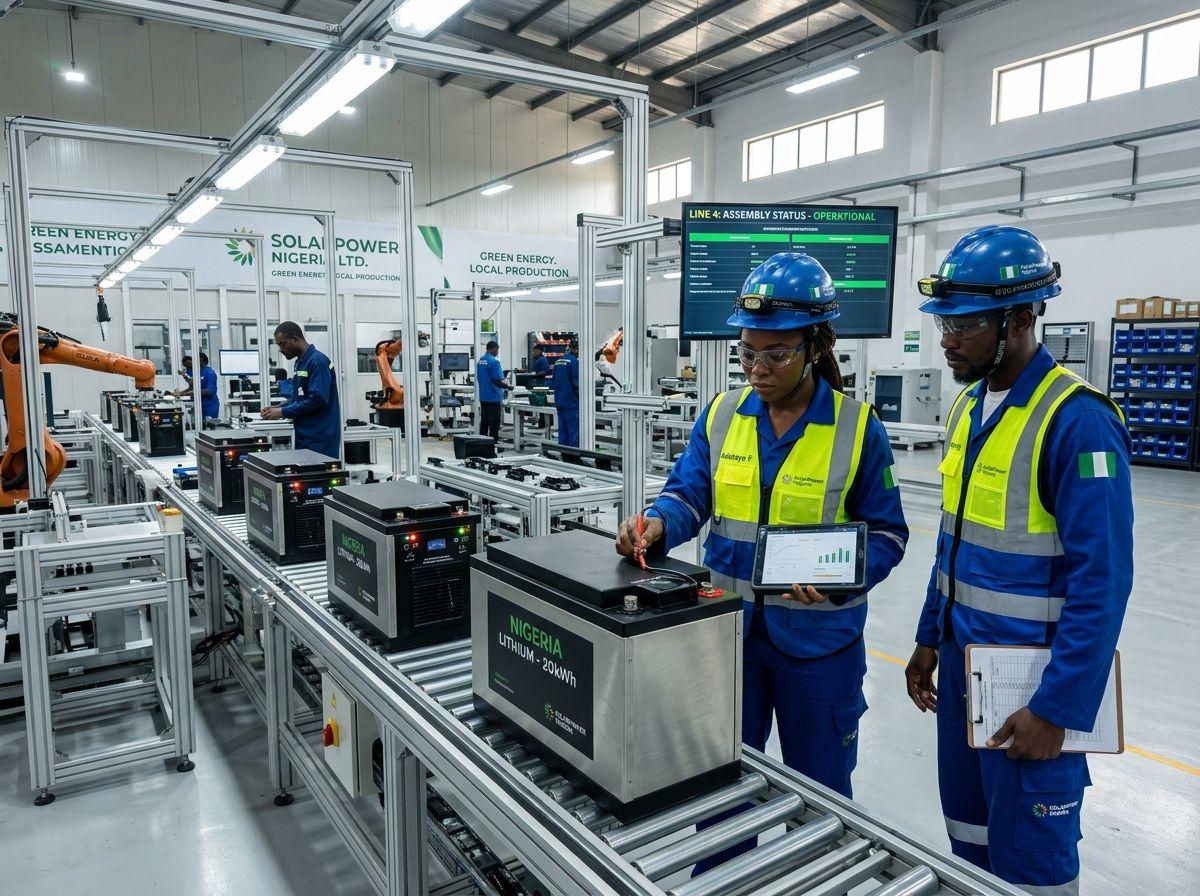
Local Solar Battery Assembly Plants Rise Across Ogun and Kano to Power Nigeria's Tech Hubs

Nigerian Woman Highlights Personality Deficits Among Wealthy Men

Lady Stirs Controversy Claiming Men Exploit 'Unattractive' Women
Media Personality Diaryof9jagirl Sparks Debate on Wives' Financial Expectations