Hormuz Strait Peace Dialogue Put Off Amid Gulf, US Concerns
Full Story
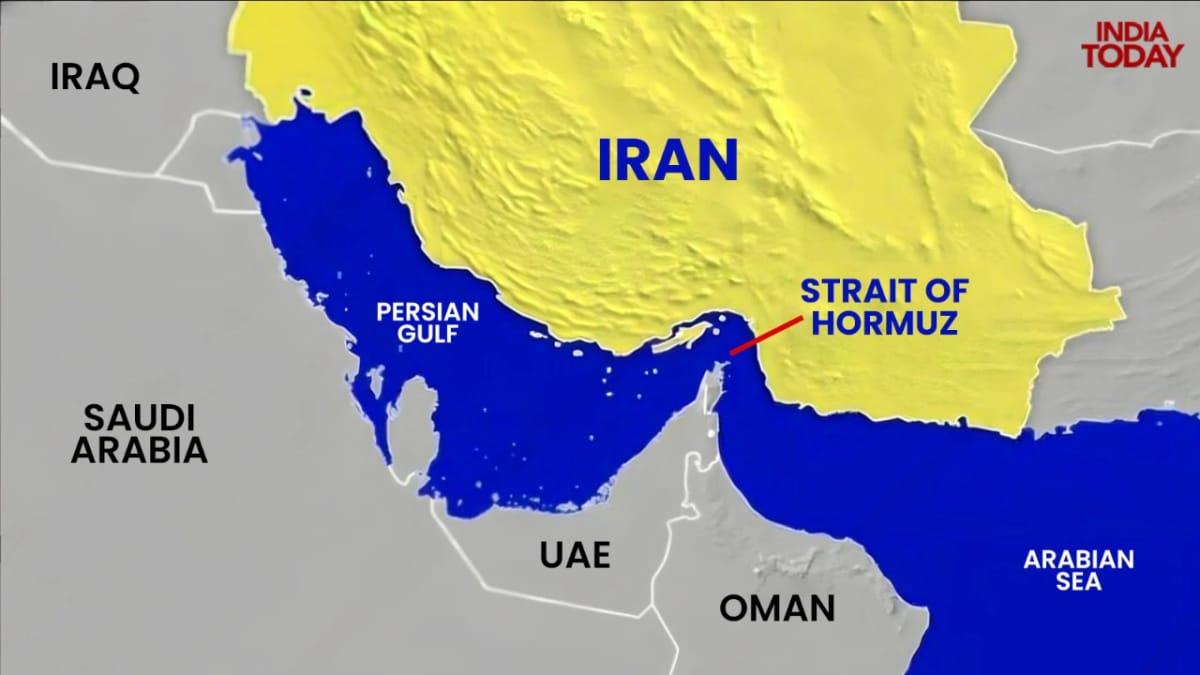
A planned meeting between Gulf diplomats and Iranian officials, aimed at discussing an Omani proposal for restoring normal tanker operations in the Strait of Hormuz, has been put off indefinitely. The gathering, initially slated for Monday and notably excluding the United States, was postponed after news of it became public. Omani Foreign Minister Badr Albusaidi confirmed the delay on X, stating, “In the interests of consensus the regional meeting set for tomorrow in Salalah has been postponed.” He further added, “We remain committed to fostering dialogue that supports stability and lasting cooperation in our region.”
This postponement comes despite a downturn in shipping activity, with former US President Donald Trump maintaining that the current situation in the waterway is adequate, especially with American military escorts for oil tankers. The initial scheduling of the talks highlighted that, despite ongoing efforts to establish alternative transit routes, nations in the region are reluctant to view the prevailing conditions as a permanent arrangement.
Diplomatic circles had hoped the now-delayed meeting would generate progress towards a resolution, following several months of confidential talks concerning an intricate legal structure aimed at reopening the strait and enabling Iran and Oman to levy charges. A regional insider commented, “There is no imminent breakthrough expected, but resolving the strait issue is the most pressing issue, so we need to start somewhere.”
Saudi Arabia had put forward modifications, citing worries that the proposed wording might solidify a new normal that would be unacceptable to Riyadh and other members of the Gulf Cooperation Council (GCC). Although the idea of compulsory tolls from Iran continues to face widespread opposition, there is an openness to discussing voluntary contributions for guiding vessels through the passage. Three sources familiar with the proposals indicated that the Omani legal framework incorporates voluntary payments for ensuring navigational safety and environmental preservation.
Officials from the Trump administration have privately communicated to their Gulf allies their desire to concentrate future US-Iran discussions solely on Tehran’s nuclear ambitions, rather than the reopening of the strait. This information comes from three sources close to the situation. Former President Trump himself stated on Truth Social after Iranian responses to US attacks, “I’m not trying to force Iran to the bargaining table. I like our position now much better, with almost total control of the Hormuz Strait, and their economy totally collapsing.”
A primary objective for the Monday meeting was to finalize transit route maps within the strait. Nevertheless, the prospect of GCC member states and Iran reaching a comprehensive agreement without American involvement is considered slim. The Trump administration had not opposed the planned assembly, asserting that it would closely observe any deliberations. A US official, speaking just before Oman’s announcement, affirmed, “The United States is in close communication with all of our regional partners and will remain so before, during, and after the meeting. Iran does not control the Strait of Hormuz and never will.”
Although the US initially misjudged Iran’s readiness to blockade the strait after military hostilities began, American military forces now believe they possess superior control over the strategic waterway. A US official clarified the administration's stance, saying, “We don’t want to talk about the strait, and that is the position of the administration right now — we’re only going to talk to you if you want to talk about nuclear file.”
Meanwhile, Iranian authorities have indicated to regional counterparts their readiness to engage in nuclear discussions with Washington, provided the issue of the strait is resolved, which includes the lifting of the US blockade. Consequently, developing a framework to reopen this crucial waterway is viewed as an essential preliminary step towards wider nuclear negotiations and ultimately de-escalating the conflict.
Comments
(0)0/500 · No URLs or profanity allowed
Dis Strait of Hormuz matter just dey get k-leg, as Gulf states and US don put sand for the gear of peace talks. Na wa o, dem say na nuclear talks dem want focus on, but wetin go happen to di strait problem?
Source: Linda Ikeji's Blog
Related Stories
Israel's Defence Minister Katz Vows to 'Finish Job' in Gaza, Relocate Population
After 62 Hours at Sea, Derek Aghnaanga, 15, Shares Grim Details

Beijing Rejects Allegations of Aiding Iran in Deadly US Base Attack
Iran, US Lock Horns Again as Hormuz Strait Crisis Worsens

Lagos Street Youths Rally Against Proposed FBI Office in Nigeria