Iran, US Lock Horns Again as Hormuz Strait Crisis Worsens
Full Story
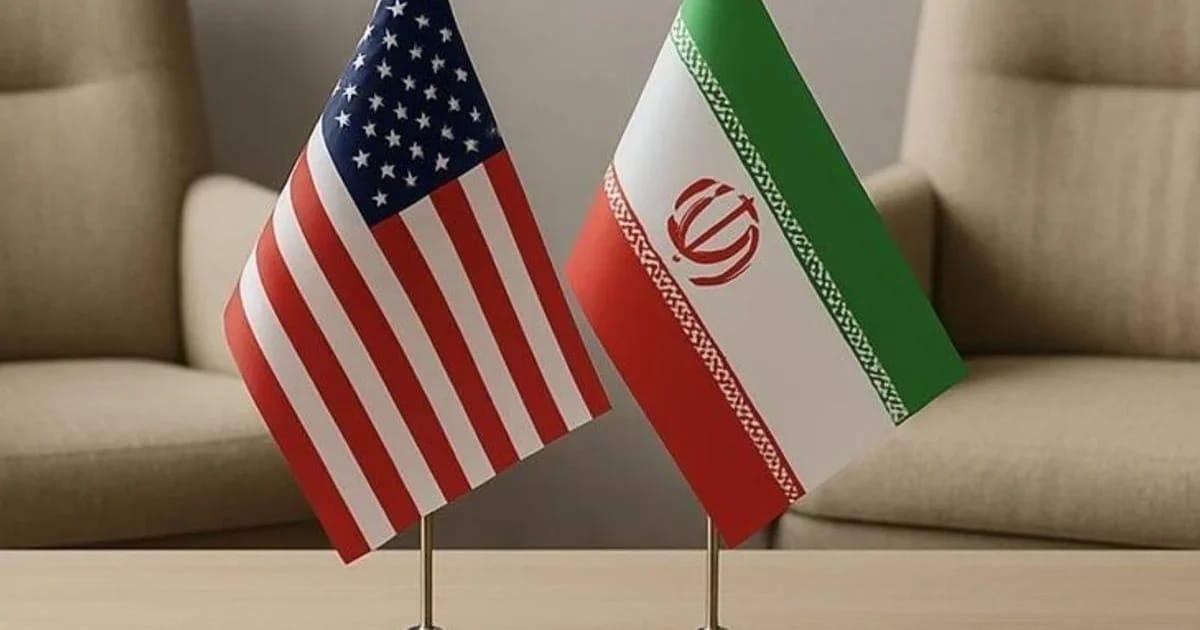
On Wednesday, Iran escalated its confrontation with the United States by initiating new strikes against American positions in the Middle East. These actions were reportedly in response to recent US assaults on Iranian oil tankers, pushing the rival nations further into a heightened state of conflict.
According to a statement from Tehran's formidable Revolutionary Guards on Wednesday, their forces targeted twenty US-flagged ships attempting to navigate the critical Strait of Hormuz. This strategic maritime passage, essential for global oil and gas transportation, has been largely under Iran's control since the conflict began. Six months into the ongoing hostilities, both the United States and Iran find themselves in a tense deadlock. While Iran asserts firm control over the Strait of Hormuz, Washington continues its efforts to cripple Iran's economy and restrict access to its ports.
The Revolutionary Guards also confirmed on Wednesday that they had launched an assault on a US military installation located in Jordan. This strike was described as a direct reprisal for the destruction of five Iranian oil tankers by American forces just the previous day. Conversely, the US military stated its actions were prompted by Iran's targeting of an American warship, marking the second such incident within a week.
The intensifying tensions caused crude oil prices to surge, nearing $100 per barrel during Asian morning trading. This escalation raised concerns about potential disruptions to oil supplies emanating from the oil-rich Middle East. Specifically, Brent crude, the global benchmark, saw its price climb to $99.46 per barrel, while West Texas Intermediate, the primary US contract, reached $94.45 per barrel.
Furthermore, the Islamic Republic announced its intention to target oil tankers operating off the coasts of US allies Kuwait and Bahrain, framing it as further retaliation for the American attacks on its own tankers. Shortly thereafter, Iranian state media reported that the Revolutionary Guards, considered the most formidable branch of Iran's military, had launched missile strikes against the US air base of Al-Azraq in Jordan.
IRNA news agency detailed that this “punitive operation” resulted in damage to maintenance and repair facilities, as well as deployment areas and shelters designated for fighter jets. Jordan's military, however, claimed to have intercepted and shot down eighteen missiles launched from Iran that were aimed at the kingdom. These attacks followed a stern warning issued by Tehran, conveyed via a statement from the Guards on IRNA, advising crews of oil tankers near Kuwait and Bahrain to evacuate their vessels, stating they “will be targeted”.
The recent surge in hostilities was initiated after American forces destroyed five Iranian oil tankers. The US military confirmed that it had “directed the crews to abandon ship” prior to engaging the vessels. Speaking to reporters in Colombia on Tuesday, US Secretary of State Marco Rubio issued a warning, stating, “Iran continues to try to hit US naval ships, and for every time they do that or try to do that, they’re going to lose tankers, and I think you’ll see that again today.”
Meanwhile, Iranian media outlets reported on Tuesday that a US missile had struck a tanker near Kharg Island's coast, though they noted no casualties resulted from the incident. Previously, Ali Abdollahi, the chief of staff of Iran's army, had cautioned that the Islamic Republic would retaliate by striking US bases in the region should Iranian oil tankers be targeted.
Since the war commenced in February, Iran has maintained its claim of control over the Strait of Hormuz, a crucial channel through which approximately one-fifth of global oil and liquefied natural gas typically passes. Consequently, traffic through this waterway has been almost entirely halted. Presently, Tehran mandates that all vessels acquire official permission and settle transit fees before being allowed to traverse the strait.
The Iranian Guards also announced on Tuesday that they had successfully seized what they described as “one of the most modern, unmanned” American submarine drones within the Strait of Hormuz. However, the US military countered, asserting that the drone in question had “malfunctioned” and was, in fact, an “older model” not equipped with any sensitive data. Furthermore, Iranian state television reported that the Guards had launched ballistic missile attacks against two US destroyers. There was no immediate comment from the US military regarding this particular report.
Gallery
Comments
(0)0/500 · No URLs or profanity allowed
Wahala don full ground for Middle East as Iran and US dey trade blows. Dis kind fight for Hormuz go just make oil price scatter everywhere, and na ordinary Nigerians go feel am for fuel pump.
Source: Punch NG
Related Stories

Lagos Street Youths Rally Against Proposed FBI Office in Nigeria

Paris' Eiffel Tower Resumes Operations Following Gender Equality Dispute
Nepal Floods: Woman, 64, Pulled Alive After Ten Days Trapped Under Debris

Trump's Special Envoys Head to Moscow, Kyiv with Fresh Peace Plan

Trump Dismisses Iran Standoff as 'Small Potatoes' for America