Fresh Military Clashes Erupt Between US and Iran, Fueling Oil Price Hikes
Full Story
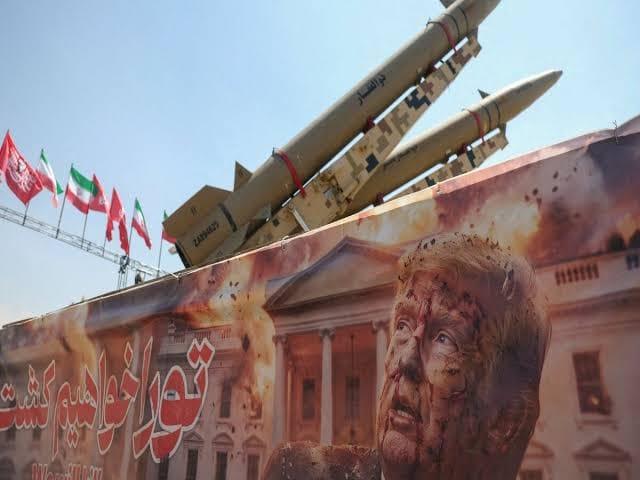
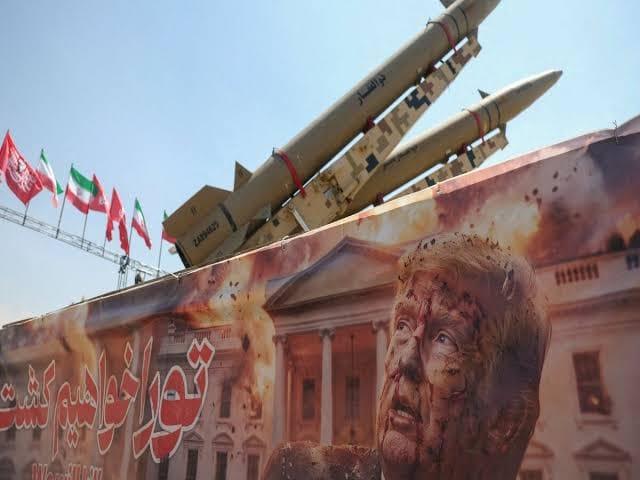
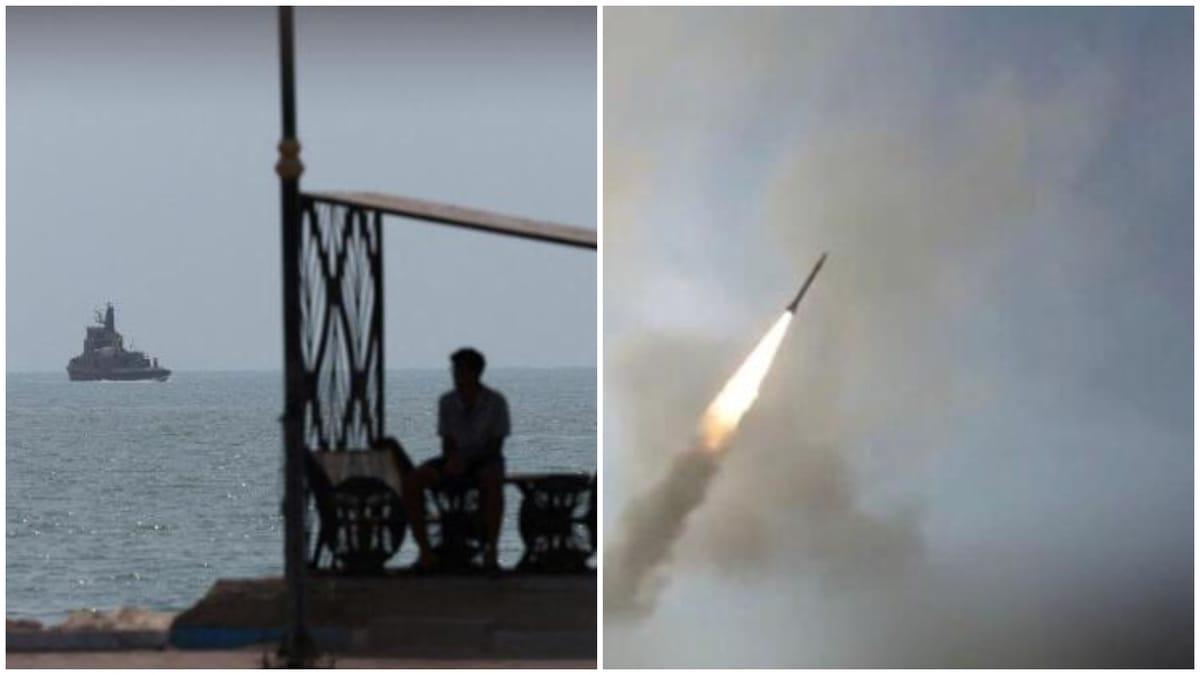
A period of relative calm spanning over a month was shattered overnight into Monday as military forces from Iran and the United States engaged in direct exchanges of strikes, signaling a significant escalation in tensions. The renewed conflict commenced on Sunday when the US military executed a targeted strike against two Iranian rocket launchers situated on Larak Island, an area close to the crucial Strait of Hormuz.
Captain Tim Hawkins, who serves as spokesperson for US Central Command (CENTCOM), confirmed that this action was taken after observing forces from the Islamic Revolutionary Guard Corps (IRGC) preparing to deploy sea mines into the vital shipping lane. CENTCOM defended its operation, asserting it was a necessary measure to neutralize an imminent threat to commercial shipping and safeguard global energy routes. Following the American assault, Iranian state media outlets reported that both military personnel and civilians on the island sustained casualties.
In response, the IRGC swiftly condemned the US strike, labeling it a "strategic and deadly mistake," and retaliated by launching missile and drone assaults towards American military installations located in Jordan. Jordanian military authorities confirmed that their air defense mechanisms successfully intercepted eight projectiles entering the kingdom's airspace, disarming them before they could pose a threat to civilian populations.
This recent exchange represents the first direct military confrontation between the two countries since late July, effectively halting Washington's recent preference for economic sanctions over direct military engagement. Upon news of these strikes, global oil markets experienced immediate reactions, with Brent crude prices increasing by 2.8% to reach $90.57 per barrel, while US crude saw a 2.7% rise, settling at $85.64 a barrel.
In preceding weeks, Trump had prioritized escalating economic pressure on Iran instead of military interventions, asserting just last week that America’s economic might would lead the nation "toward a very big victory." The US Treasury Department has issued warnings of severe new sanctions against nations that decline to sever their economic relationships with Iran, describing the situation as an "economic D-Day."
On Sunday, US Treasury Secretary Scott Bessent informed Reuters that his department was preparing to introduce fresh secondary economic sanctions against Iran on a weekly basis, initially targeting financial institutions. Bessent stated before a Group of 20 finance leaders meeting, “You’re going to see a lot more of these every week.” He further elaborated, “We’re starting with the banks, and we’re telling the banks it’s not okay to have Iranian money and to aid the regime.”
Gallery
Comments
(0)0/500 · No URLs or profanity allowed
Na so o! US and Iran don resume their wahala again with missile attacks, after dem don calm small for one month. We go just dey watch as dis tension fit affect global peace and even fuel prices for Naija market.
Source: Linda Ikeji's Blog
Related Stories

Bianca Odumegwu-Ojukwu Calls on AU for Fresh Peace Funding Strategies
UK Dispatches Emergency Personnel to Aid Nepal Flood Victims

Himalayan Nation Nepal Seeks Aid Amidst Massive Flood Destruction

Uganda's Tooro Kingdom Mourns King Oyo, World's Youngest Monarch, Dies at 34

Europe's Oldest King, Norway's Harald V, Dies Aged 89