AGF Fagbemi: P&ID Judgment Nearly Brought Nigeria's Economy to Its Knees
Full Story
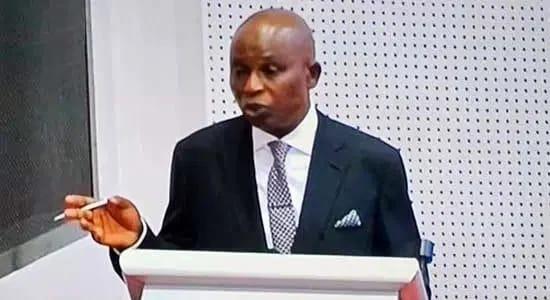
Nigeria's Attorney General of the Federation and Minister of Justice, Lateef Fagbemi (SAN), has issued a strong appeal to the United Nations, advocating for a significant overhaul of international arbitration regulations. His primary objective is to fortify the sovereignty of nations engaged in disputes with investors. This plea was made on Thursday during the Heads of Delegations Roundtable at the Chief Legal Advisors Forum 2026, held in Singapore. The information was disclosed in an official statement released by Kamarudeen Ajibade, the Special Adviser to the President on Communication and Publicity within the AGF's office.
Fagbemi emphasized that any reforms to the Investor-State Dispute Settlement (ISDS) framework must prioritize strengthening domestic legal systems rather than bypassing them. He stressed the importance of these changes ensuring both fairness and predictability for all parties involved – both investors and sovereign states. The AGF highlighted Nigeria's bitter experience with Process and Industrial Developments Ltd. (P&ID) as a stark illustration of why clearer guidelines for calculating damages in global arbitration are desperately needed. He asserted that the colossal award in the contentious P&ID case, which was derived using compound interest, would have inflicted catastrophic damage on Nigeria's economy had it been enforced.
"States consistently express concern about the opacity of arbitral proceedings and the unpredictability of awards. Nigeria continues to support reforms that enhance transparency of proceedings, consistency in arbitral reasoning, and predictability in outcomes," Fagbemi stated. He further elaborated, "These elements are essential for investor confidence and state trust alike. That is why Nigeria is a strong proponent for clarity concerning calculation of damages. The current position largely relies on the whims of each arbitrator or tribunal. For example, in the notorious case of P&ID, damages were calculated based on compound interest, which would have had a crippling effect to the tune of billions of dollars."
In response to these systemic issues, Nigeria has already taken steps to refine its own arbitration framework, aiming to promote greater transparency. Fagbemi also revealed that upon assuming his current role, he established an expert committee tasked with reviewing Nigeria's existing bilateral investment treaties and its various commitments under multilateral agreements and conventions. This review, he explained, is designed to bolster investment protection while simultaneously safeguarding the nation's interests and those of its taxpayers.
The Minister unequivocally declared that ISDS reform is no longer a choice but a critical necessity for maintaining the credibility of the international investment system. He affirmed Nigeria’s backing for comprehensive, systemic reforms, including the establishment of clearer treaty standards, enhanced procedural safeguards, more robust accountability mechanisms, and a more equitable distribution of rights and obligations between investors and states.
"Many states, Nigeria included, believe that incremental adjustments will not address the structural imbalances embedded in the current system," Fagbemi remarked. He added, "There is increasing support for systemic reform, including clearer treaty standards, improved procedural safeguards, stronger accountability mechanisms, and more balanced rights and obligations for investors and states."
Furthermore, Fagbemi advocated for increased utilization of alternative dispute resolution (ADR) mechanisms. He believes this approach can significantly reduce costs, prevent disputes from escalating, and foster greater cooperation between parties. Strengthening national judicial institutions, he argued, is paramount for improving the rule of law domestically and lessening over-reliance on external arbitration bodies.
The AGF also called for the incorporation of public interest considerations into the ISDS framework, emphasizing that investment protection should not impede governments from regulating in the best interest of their citizens. He cited crucial areas such as climate action, environmental protection, human rights, community welfare, and sustainable development as issues that should be integral to the evolving arbitration framework. This stance, he noted, is already reflected in Nigeria’s 2016 Model Bilateral Investment Treaty, which is presently undergoing a decennial review. "Nigeria strongly supports reforms that ensure investment protections do not undermine legitimate public-interest regulation," he reiterated.
He concluded by stressing that the challenges confronting the global investment regime are shared and necessitate collective solutions that effectively balance the interests of both capital-importing and capital-exporting nations. The P&ID controversy originated from a gas processing agreement signed in 2010 that ultimately failed, involving Nigeria and P&ID, a company registered in the British Virgin Islands. An initial arbitration tribunal had awarded the company billions of dollars against Nigeria. However, a landmark ruling by the Federal High Court in London in 2023 sided with Nigeria, rejecting the enforcement of the award after conclusive evidence of fraud and corruption in its procurement was presented.
Comments
(0)0/500 · No URLs or profanity allowed
Ah, dis P&ID matter ehn, na big lesson for Naija. AGF Fagbemi don carry our case go UN, wan make dem change how dem dey settle international disputes so dem no go fit use grammar finish small countries like us. We just hope say dis call go yield good result o, so we no go dey pay for other people's fraud again.
Source: Punch NG
Related Stories
Moscow Brands US Media's NATO Attack Allegations as 'Scare Stories'

BREAKING: Devastating Flooding Nepal China, Pray For Nepal.
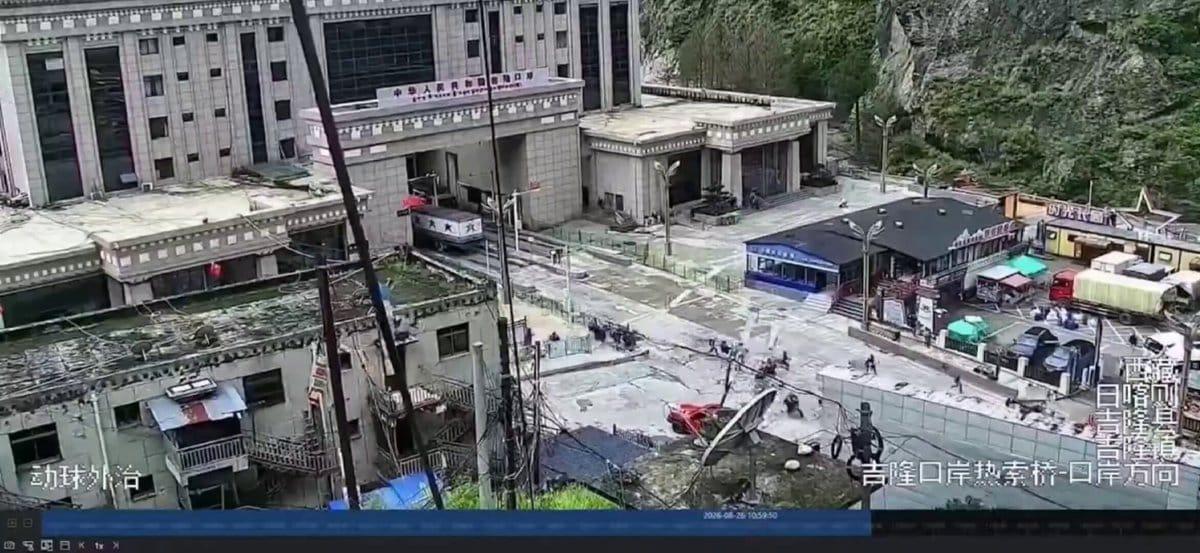
Himalayan Deluge: Flash Flood Wipes Out Nepal-China Border, Leaving Hundreds Missing
Trump Administration Halts Global Immigrant Visa Processing
US Government Favors Sanctions Over Military Action Against Iran