US Stands Firm: Strait of Hormuz Open Despite Iran's Renewed Strikes
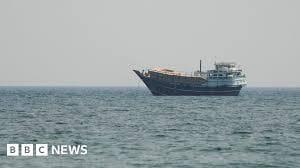
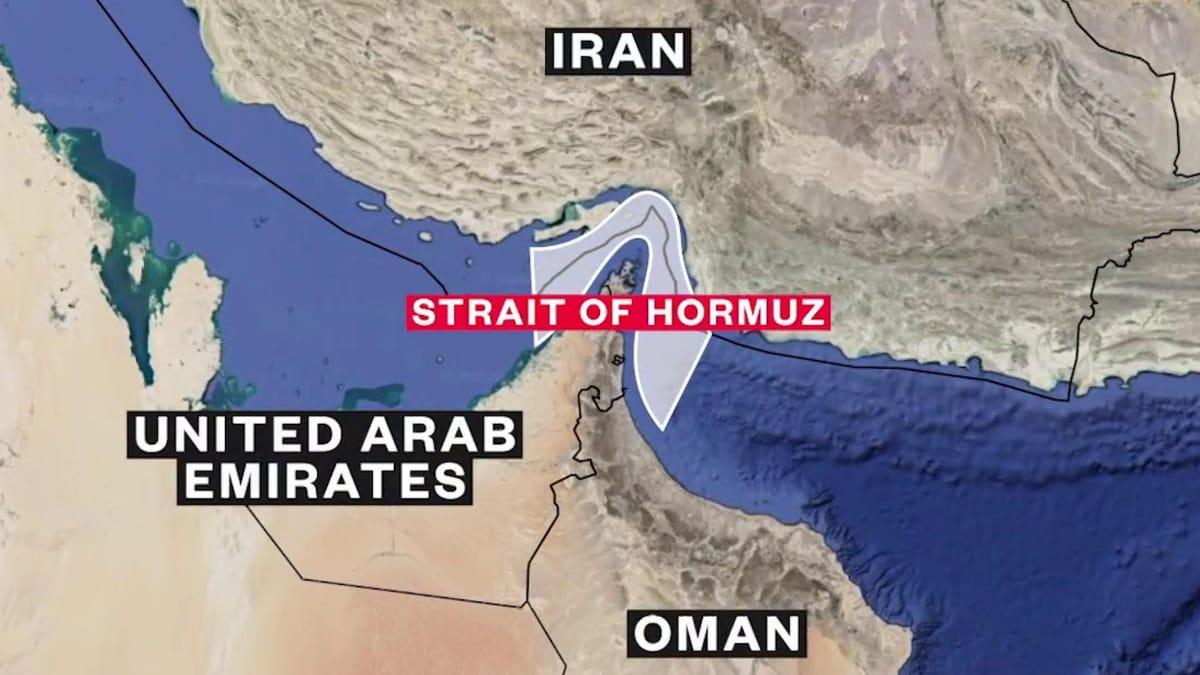
The United States maintains its position that the crucial Strait of Hormuz remains accessible for transit, even as Iran asserts it has closed the vital waterway amidst a fresh wave of military engagements. Hostilities in the region, which recently intensified this week, escalated further on Saturday after the US reported launching over 140 strikes targeting various locations within Iran.
These US attacks were a direct retaliation to an incident where Iranian forces engaged a vessel navigating the strait, claiming the ship was utilizing an unauthorized route. Iran has been actively seeking to establish greater control over the maritime passage, and early on Sunday, it declared the Strait of Hormuz closed indefinitely.
Further escalating the conflict, Iran's Islamic Revolutionary Guard Corps (IRGC) carried out extensive attacks on US military installations and allied nations across the region on Sunday. The IRGC stated it struck a US base situated in Jordan, while Bahrain, Kuwait, Oman, Qatar, and the United Arab Emirates (UAE) all confirmed responding to missile and drone attacks originating from Iran.
US Central Command (Centcom) has been approached by the BBC for comments regarding the reported attack in Jordan. Notably, Qatar, which plays a mediatory role in ceasefire discussions, had not experienced an attack since April, and the UAE had been free of attacks since May.
On Sunday evening, Centcom announced another series of strikes against Iran, commencing at 5:00 PM ET (10:00 PM BST). These operations, Centcom stated, would "continue degrading their ability to attack civilian mariners and commercial ships freely transiting the Strait of Hormuz."
Earlier on Sunday afternoon, Iran's IRNA news agency reported that "enemy" missiles were directed towards Qeshm Island, a strategically important location in the Gulf that hosts a significant IRGC base. This renewed exchange of fire has jeopardized an interim ceasefire agreement signed last month, which aimed to facilitate the reopening of the Strait and eventually lead to a lasting resolution of the conflict.
Earlier in the week, US President Donald Trump declared the Iranian attacks effectively ended the ceasefire. In response, Iran's Foreign Minister Abbas Araghchi accused the US of breaching the agreement. Despite this, Trump indicated that discussions would continue, with mediators working to revitalize the peace process. US media outlets reported that Iran informed American officials that earlier attacks on tankers were an error attributed to an internal rogue faction.
The latest surge in hostilities was triggered after the IRGC claimed it launched a naval cruise missile at a vessel attempting to sail an unapproved route. US Central Command (Centcom) confirmed the IRGC "blatantly attacked" a Cyprus-flagged vessel, which subsequently became "unable to continue its journey" due to damage sustained in its engine room. Centcom also reported that a crew member from the MV GFS Galaxy ship was missing.
The UK's Maritime Trade Operations (UKMTO) confirmed receiving information from military authorities that the vessel's crew were forced to abandon ship and were in a lifeboat. Centcom further stated on X (formerly Twitter): "Iran was provided yet another opportunity to demonstrate adherence to the Memorandum of Understanding after being held accountable for earlier attacks on commercial vessels but has again failed." It added that US strikes targeted 140 Iranian military sites, including drone and missile facilities, communication networks, and coastal surveillance points. US Secretary of Defense Pete Hegseth shared this statement, commenting: "Iran made a poor choice. Now they pay."
Conversely, the IRGC asserted that the US had targeted "a number of coastal bases and telecommunications towers on the southern coast." Iran declared its "first phase" of retaliation included strikes on the Prince Hassan Air Base in Jordan, claiming to have destroyed the base's command and control center and hangars for MQ9 drones.
On Sunday, US Central Command reiterated its stance on the Strait of Hormuz, affirming it was open and warning that the US military was positioned to ensure its unimpeded flow. Earlier, Iran's parliamentary speaker and chief negotiator with the US, Mohammad Bagher Ghalibaf, posted on X that the "era of one-sided deals is OVER." He added, "We told you: keep your word or pay the price. Reality is knocking."
Gallery
Comments
(0)0/500 · No URLs or profanity allowed
Dis matter between US and Iran don hot up again for di Strait of Hormuz. Dem dey exchange blows and di whole place don scatter. We just hope say dis wahala no go escalate pass like dis.
Source: Google Trends Nigeria
Related Stories
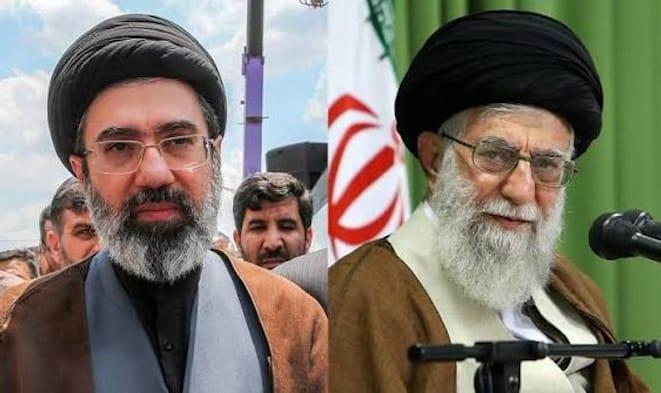
Ayatollah Mojtaba Khamenei Pledges Retaliation for Father's Killing
Qatar Mourns Passing of Visionary Former Emir Sheikh Hamad bin Khalifa Al Thani at 74
Strait of Hormuz Shut by Iran Amidst Renewed US-Tehran Clashes
Mojtaba Khamenei Vows Retaliation for Father's Death Amidst Trump's Warnings
US-Iran Tensions Escalate as Trump Vows Military Action