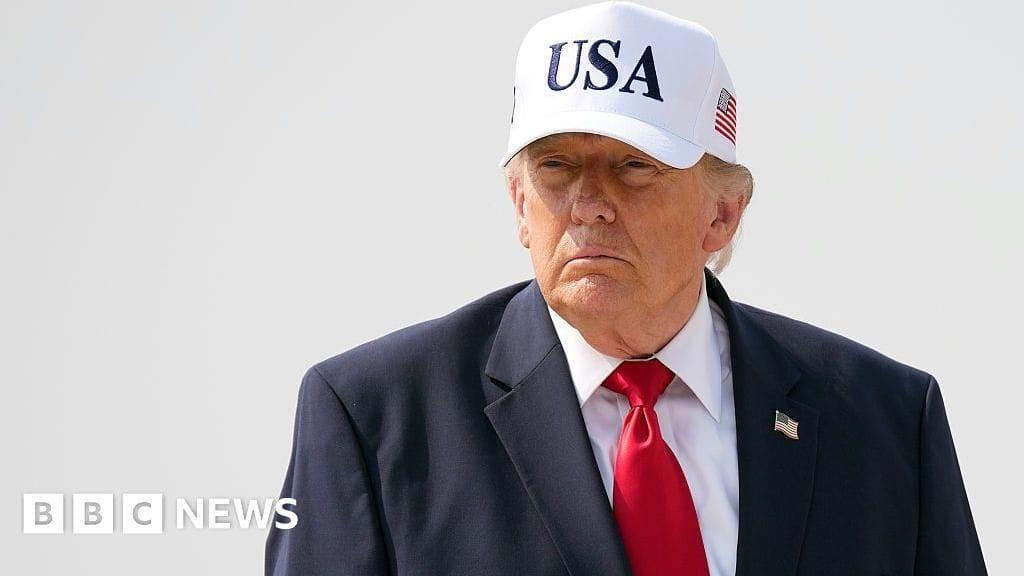
Mojtaba Khamenei Vows Retaliation for Father's Death Amidst Trump's Warnings
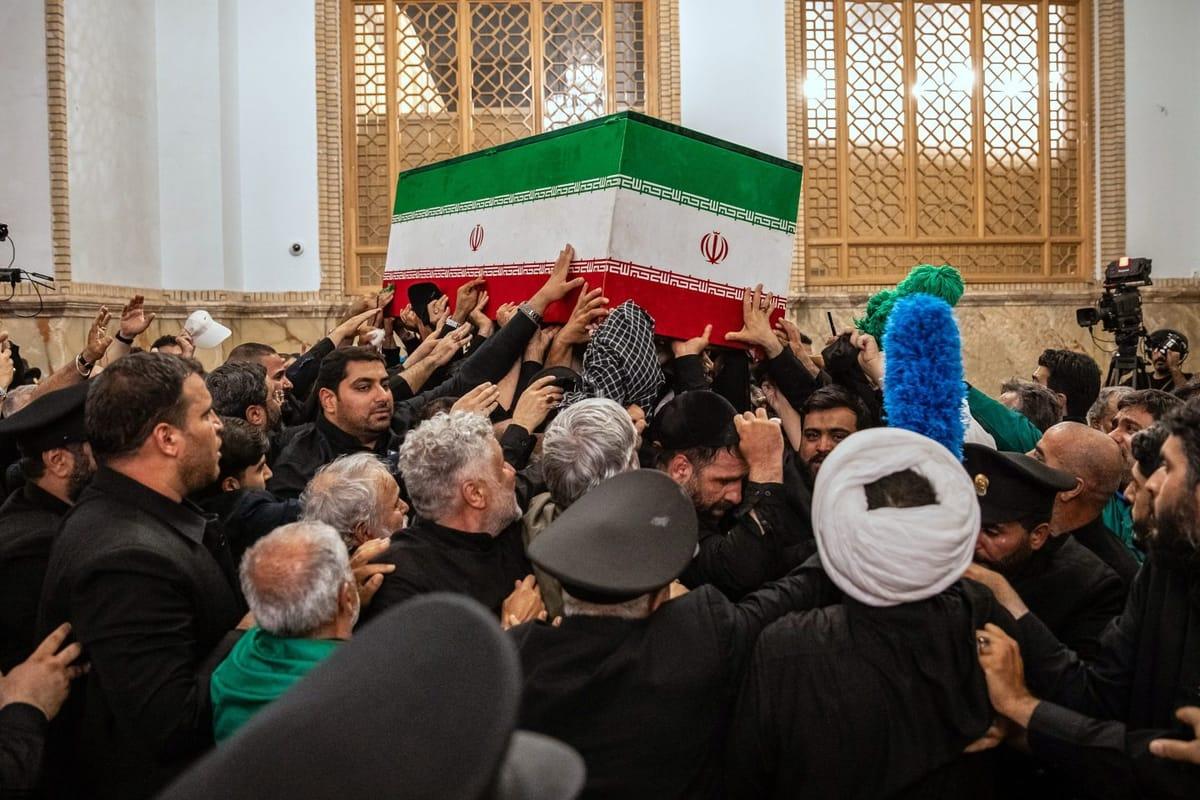
Iran's current Supreme Leader, Mojtaba Khamenei, has publicly declared his intention to avenge the assassination of his father and predecessor, Ali Khamenei. This pledge came just hours after United States President Donald Trump issued a stern caution to Tehran, warning against any attempt to assassinate him. These escalating threats are unfolding as diplomatic efforts continue to maintain a precarious ceasefire, following weeks of intense conflict involving Iran, the United States, and Israel. The hostilities initially commenced in late February, marked by significant US-Israeli military operations that led to the death of Ali Khamenei.
In his inaugural public statement since his father's funeral, Mojtaba Khamenei affirmed that retribution remains a fundamental national objective for Iran, regardless of the country's leadership. He articulated in a written declaration, "Vengeance is the will of our nation and must inevitably be carried out. This matter depends neither on my personal existence nor on that of other officials. Whether we are present or not, it will come to pass." He further indicated that Iran had compiled a list of potential targets, though he refrained from disclosing specific details.
Earlier on Saturday, President Trump utilized his Truth Social platform to issue a severe warning, stating that any attempt on his life would be met with overwhelming military retaliation. The US President emphasized that thousands of missiles were prepared to strike Iran and cautioned that the American military had standing orders to "completely decimate" the country should Tehran act on any assassination threats directed at him.
This latest verbal escalation follows renewed military exchanges earlier in the week, which jeopardized a provisional agreement designed to end hostilities. While Trump has asserted that the ceasefire is effectively over, behind-the-scenes diplomatic initiatives are still ongoing. Iranian media reported a Qatari delegation's visit to Tehran on Friday, July 10, in an effort to revive negotiations. Concurrently, Iran's Foreign Minister, Abbas Araghchi, maintained that Tehran had honored its commitments under a memorandum of understanding signed the previous month. Araghchi stated, "There can only be mutual compliance," reinforcing Iran's fulfillment of its obligations.
A significant point of contention in the ongoing discussions revolves around the Strait of Hormuz. During the conflict, Iran had closed this strategic maritime passage in response to US-Israeli military actions. Subsequently, Iran announced plans to regulate shipping through the strait, including the imposition of transit fees. The United States has strongly rejected this move, arguing that international law guarantees freedom of navigation through the waterway, which is globally recognized as a crucial route for oil and gas exports.
On Saturday, July 11, Foreign Minister Araghchi traveled to Oman for discussions concerning the administration of the strait. Simultaneously, reports from Axios and Politico indicated that Washington had given Tehran until Saturday to cease attacks on commercial vessels and acknowledge the waterway as open to international shipping. The recent surge in tensions followed accusations that Iran had targeted three commercial ships, claiming they had deviated from approved routes. In response, the US military disclosed that it launched airstrikes against approximately 90 targets across Iran. The Iranian health ministry reported that these strikes resulted in 17 fatalities and at least 115 injuries. These American attacks, in turn, prompted Iranian retaliatory actions against Gulf states hosting US military bases.
Despite the heightened rhetoric, regional mediators, including Qatar and Pakistan, are persistently advocating for a resumption of diplomatic talks. Pakistan's Prime Minister, Shehbaz Sharif, revealed that he had urged Iranian President Masoud Pezeshkian to safeguard the "hard-earned peace" within the region. Nevertheless, Iran's chief negotiator, Mohammad Bagher Ghalibaf, signaled Tehran's preparedness for continued confrontation. He stated, "Ending the war is a priority for the countries of the world, but everyone must know that this confrontation will never end with Iran's surrender," emphasizing the Iranian populace's full readiness for self-defence.
Comments
(0)0/500 · No URLs or profanity allowed
Dis matter don hot again between Iran and America, with threats flying everywhere. We just pray say dem no go carry dis fight go another level, because na ordinary citizens go suffer am pass.
Source: Linda Ikeji's Blog
Related Stories
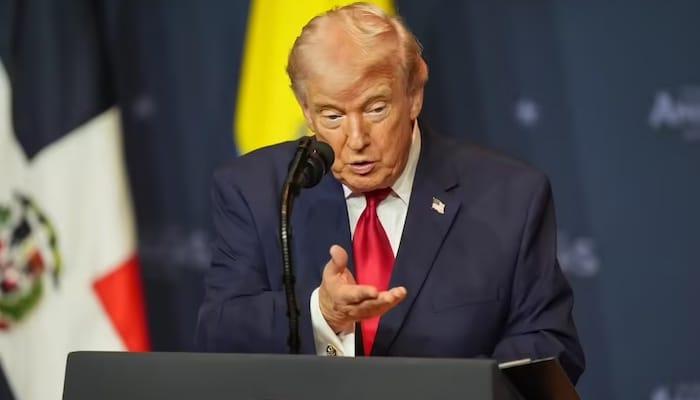
US-Iran Tensions Escalate as Trump Vows Military Action
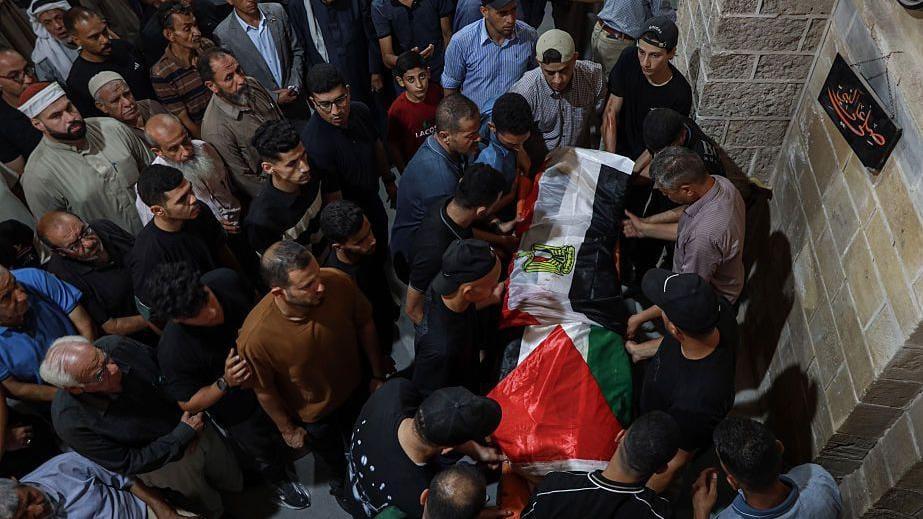
Israeli Strike Claims Life of Gaza Aid Worker Known for World Cup Screenings
Southern Spain Wildfire Disaster: Death Toll Rises to 11, 19 Still Unaccounted For

FG Halts Third-Party Visa Processing for US Applicants
Kremlin Dismisses US Stance on Ukrainian Drone Strikes as Peace Talks Catalyst