Hormuz Tanker Strikes Prompt Washington to End Iran Oil Waiver
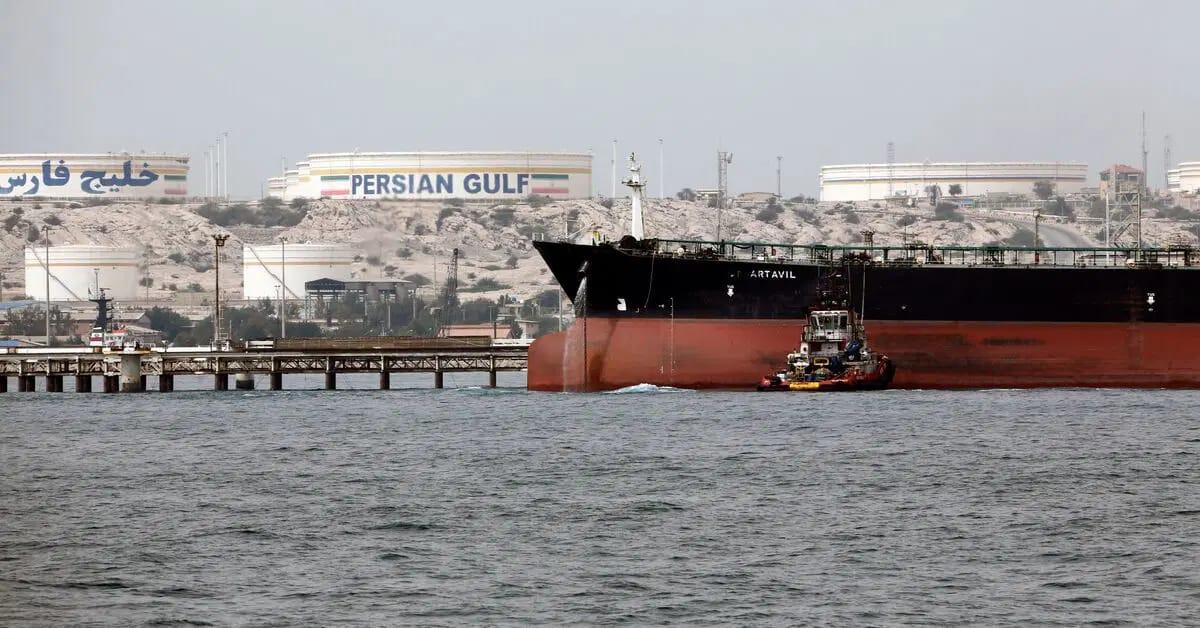
The United States has reversed its policy, ending a temporary sanctions exemption that allowed Iran to sell its oil, following recent assaults on three tankers in the Strait of Hormuz. This abrupt decision significantly escalates financial pressure on Tehran, coming amidst delicate ongoing discussions with Washington aimed at de-escalating regional tensions. The US Treasury Department officially cancelled a unique operating permit initially issued in June, which had authorized Iran to produce, trade, and ship crude oil and related petroleum products until August 21.
An anonymous US official informed AFP that “Iran’s actions in the Strait were wholly unacceptable to the United States and will be met with consequences.” The official further emphasized that the overarching agreement between the US and Iran remains contingent on performance, stating that Tehran would only gain access to economic benefits by demonstrating cooperative conduct. Despite this, they confirmed that American representatives are still genuinely pursuing a lasting resolution.
According to the United Kingdom Maritime Trade Operations security agency, a commercial tanker was hit by an unknown projectile overnight, resulting in a fire on board. Soon after, two more vessels were targeted, with at least one confirmed to be a drone strike. All three occurrences took place off the coast of Oman.
These attacks happened shortly after Oman (Muscat) proposed establishing a temporary shipping corridor along its territorial waters. This strategic alternative has faced strong opposition from Iran, which has been trying to impose transit fees on vessels using the narrow Strait.
Qatar verified that its liquefied natural gas carrier, the Al-Rekayyat, was one of the ships targeted. Doha, directly blaming Iran for the strike, denounced the incident as an intolerable assault on international maritime routes. Subsequently, Qatari officials summoned Iran's deputy ambassador to formally protest, demanding an immediate clarification and an end to activities that jeopardize regional peace.
On X, Qatar’s foreign ministry spokesman, Majed Al Ansari, stated, “We hold Iran fully legally responsible for this attack and for any resulting damages or repercussions.” Iran, however, voiced strong displeasure with Doha's public declaration, issuing a statement through its state news agency, IRNA, dismissing the accusations as “unacceptable.”
These maritime assaults shattered over a week of relative calm in the region, reigniting international concerns about shipping rights. The incidents took place shortly after Iran had eased its restrictions on the shipping lane, following a fragile, temporary ceasefire agreement with the United States. In response to the news, global crude oil prices saw a jump of over two percent, as energy markets reacted to potential interruptions in supply and debated the long-term viability of the US-Iran diplomatic arrangement.
Andreas Krieg, a security expert at King’s College London, told AFP, “We are now in a sensitive period where potential alternatives to an Iranian toll or fee system are being explored.” He added, “Iran is sending a clear signal that no alternative will be accepted.” Krieg noted that the drone and projectile attacks seemed intended to punish commercial vessels attempting to circumvent Iranian control by using the proposed Omani corridor. He described these actions as a direct violation of international maritime law and the established ceasefire terms.
Commercial shipping had only recently started to return to normal operations across the Strait after Washington and Tehran formalized their initial memorandum. Nevertheless, Iranian authorities have consistently asserted that the waterway will not revert to its former status, where international ships enjoyed unimpeded passage without supervision or charges.
Under the terms of the 14-point memorandum of understanding, Iran and Oman, the two countries bordering the vital chokepoint, are mandated to hold bilateral discussions with other Gulf states to create an updated administrative and maritime services framework for the waterway.
Qatar had previously refused to partake in mediation efforts due to direct threats during Iran's extensive aerial campaigns against Gulf nations. However, Doha has recently taken on a more significant diplomatic role, having hosted the latest round of indirect negotiations between US and Iranian representatives just last week.
Comments
(0)0/500 · No URLs or profanity allowed
Wahala don burst again for Strait of Hormuz as US cancel Iran oil waiver after dem attack ships. Qatar sef don vex well well, blame Iran for attack on dem vessel. Na serious matter for world oil market and regional peace o!
Source: Linda Ikeji's Blog
Related Stories

Xenophobic Attacks Halt South African President Ramaphosa's Ghana Visit
WATCH: Terrifying CCTV Footage Captures Moment Massive Landslide Sweeps Away Trucks, Leaving 2 Dead And Many Trapped

Federal Government Laments Death of Nigerian Medical Graduate in Ukraine Conflict
Macron's Syria Visit Marred by Blasts in Damascus
UAE Commits $30 Million Emergency Aid for Sudan's El Obeid Conflict