New US Strikes on Iran Prompt 'Hell' Vow, Trump Threatens Regime's Demise
Tensions between Iran and the United States have sharply escalated following a declaration by President Donald Trump of renewed American military actions against Iranian sites. Tehran swiftly responded with threats of retribution targeting U.S. military installations across the Middle East, accusing Washington of breaching a recent ceasefire accord. This fresh wave of hostilities has heightened concerns that the truce, established just weeks ago, might entirely unravel amidst ongoing military exchanges and increasingly aggressive statements from both nations.
On his Truth Social platform, former President Trump confirmed that American forces had targeted several Iranian military locations. He stated these strikes were a direct response to what he termed Iran's repeated breaches of the ceasefire agreement. Trump posted, "United States aircraft just struck Iranian missile and drone storage locations, and coastal radar sites, for violating the Cease Fire Agreement, AGAIN!" He further warned, "It is very possible that they will never learn! There may come a point when we are no longer able to be reasonable, and will be forced to militarily complete the job that we very successfully started. If that happens, the Islamic Republic of Iran will no longer exist!"
The U.S. Central Command (CENTCOM) disclosed that the overnight military operation specifically hit Iranian missile and drone storage sites, coastal radar systems, various military surveillance infrastructure, communication networks, air defence positions, and capabilities for mine-laying. CENTCOM clarified that these assaults were executed under the direct command of the U.S. President. This action came after Iran reportedly initiated another drone strike against a commercial vessel, despite having been afforded a chance to uphold the ceasefire terms.
CENTCOM elaborated, stating: "After yesterday’s U.S. strikes in response to the Iranian attack on M/V Ever Lovely, Iran was given a chance to honor the ceasefire agreement but elected not to when its forces launched a one-way attack drone that hit M/T Kiku this morning at 4:30 a.m. ET." The command added that the M/T Kiku, a Panama-flagged tanker carrying over two million barrels of crude oil, was navigating close to the critical Strait of Hormuz at the time of the incident.
Following the American attacks, Iran's state broadcaster, IRIB, confirmed reports of explosions occurring in Sirik, a city located in the southern part of the country. Reacting to these developments, the Islamic Revolutionary Guard Corps of Iran issued a stern warning, asserting that U.S. military installations throughout the region would “experience hell in the coming days." The Corps also reiterated Iran's perceived control over the Strait of Hormuz, a vital maritime passage.
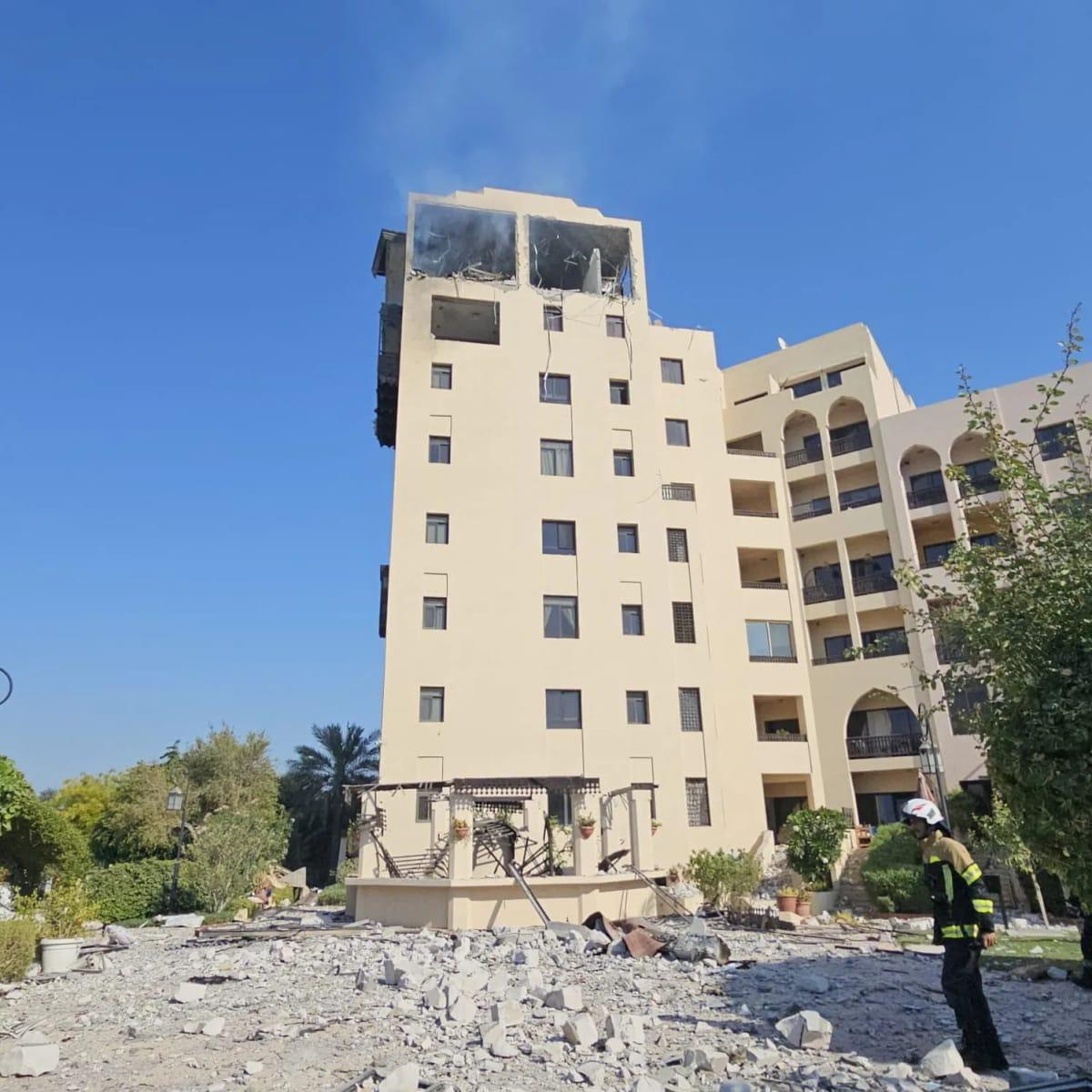
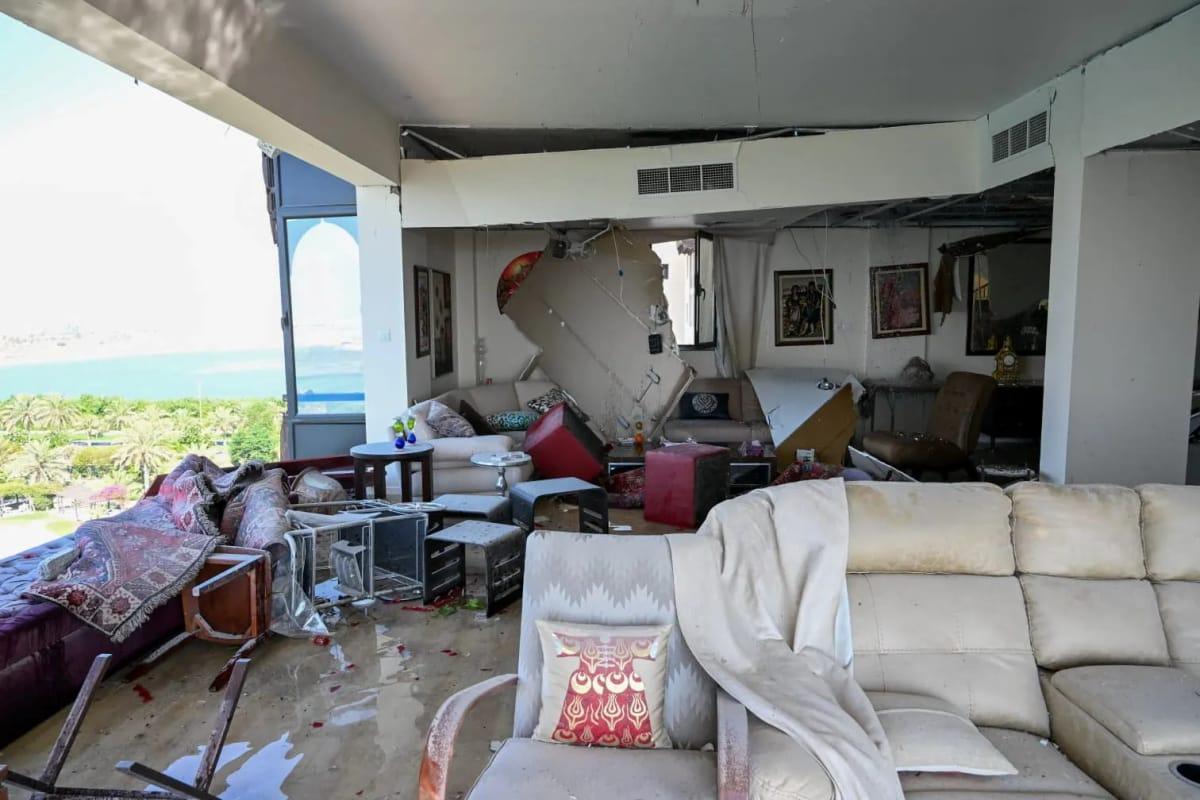
The conflict intensified as Iran launched separate drone and missile assaults on Bahrain and Kuwait. Officials in Kuwait confirmed the interception of two ballistic missiles before they could strike their intended destinations, reporting no resulting casualties or damage. Concurrently, Bahrain's Interior Ministry reported that an Iranian drone hit a residential structure situated close to the nation's international airport. While no lives were lost, the strike completely demolished the uppermost floor of the eight-story edifice and inflicted considerable structural harm.
Tehran, in turn, denounced the recent U.S. military operations, alleging that Washington had violated the ceasefire agreement established earlier in the month. Iranian officials declared, "These brutal attacks, which targeted Iranian coastal surveillance facilities, are a blatant violation of the memorandum of understanding to end the war." Furthermore, Iran cautioned that it might halt ongoing negotiations designed to resolve the conflict should American military actions persist.
These renewed hostilities emerge despite the fact that the United States and Iran had previously signed a 14-point memorandum of understanding on June 17. This agreement was specifically crafted to cease combat and guarantee secure transit for commercial ships through the Strait of Hormuz for a period of 60 days. As part of this accord, Iran committed to employing its “best efforts for the safe passage of commercial vessels with no charge for 60 days.” The recent series of strikes, however, has significantly jeopardized the future of this understanding, reigniting fears and elevating tensions throughout the Middle East.
Adding to the broader regional instability, Israel's military also carried out a drone strike in southern Lebanon. This incident occurred just a day after Israel had consented to pull back some of its troops from certain areas in the region, further compounding worries about escalating unrest on several fronts.
Gallery
Comments
(0)0/500 · No URLs or profanity allowed
Wahala don burst again between Iran and America o! Trump say dem strike Iran because dem break ceasefire, now Iran don vex promise 'hell' for US bases. This whole issue fit scatter that peace agreement wey dem just sign, and nobody sabi where this one go lead.
Source: Linda Ikeji's Blog
Related Stories
$247 Million Humanitarian Support Flows to Nigeria from US, EU
Venezuela Quake Toll Nears 1,500 Amid Urgent Search for Survivors, Millions Require Aid

Venezuela Quakes: 18-Day-Old Baby Miraculously Pulled from Debris After 32 Hours
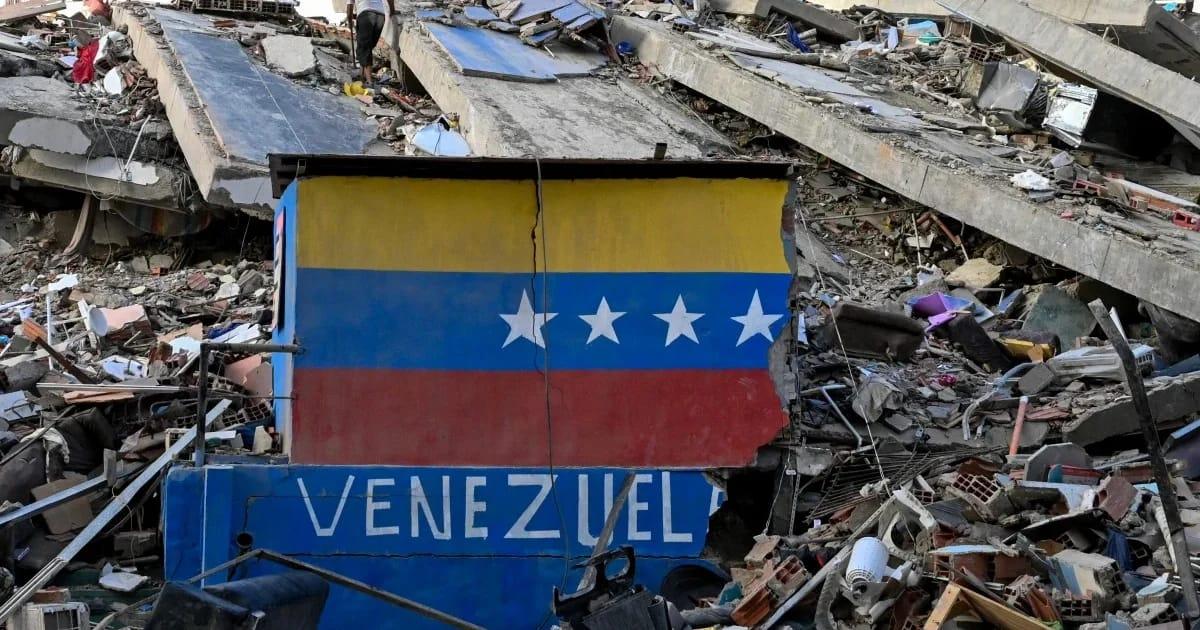
Devastating Venezuela Earthquakes Threaten Nearly 7 Million, UN Reports
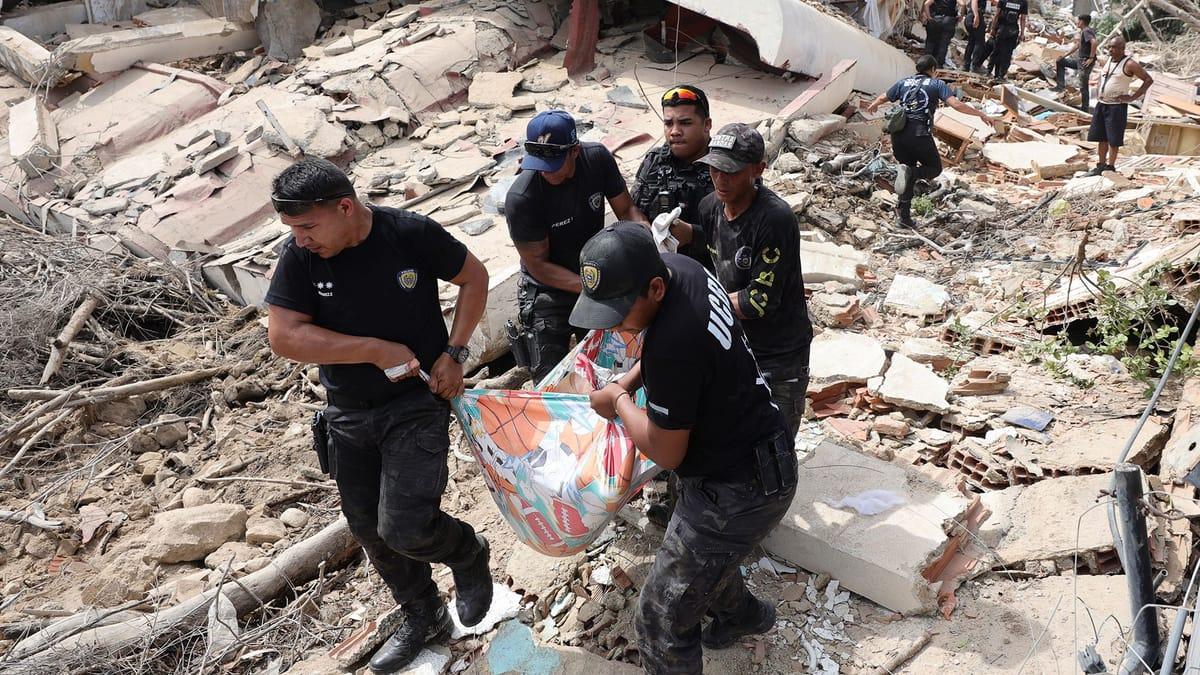
Deadly Venezuela Quakes: Toll Reaches 589, USGS Foresees 100,000 Casualties