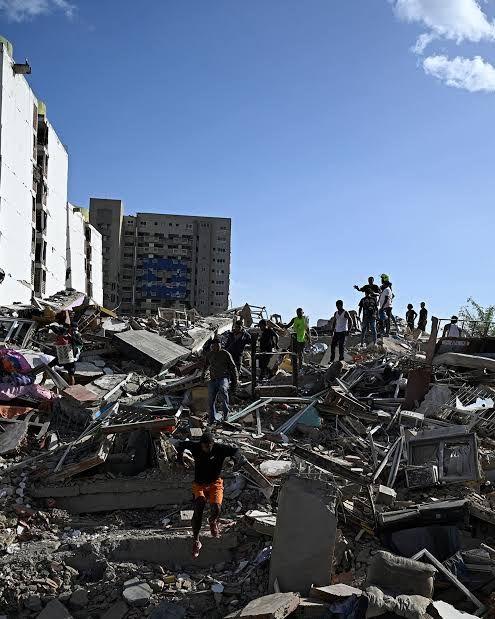
Venezuela Quake Toll Nears 1,500 Amid Urgent Search for Survivors, Millions Require Aid
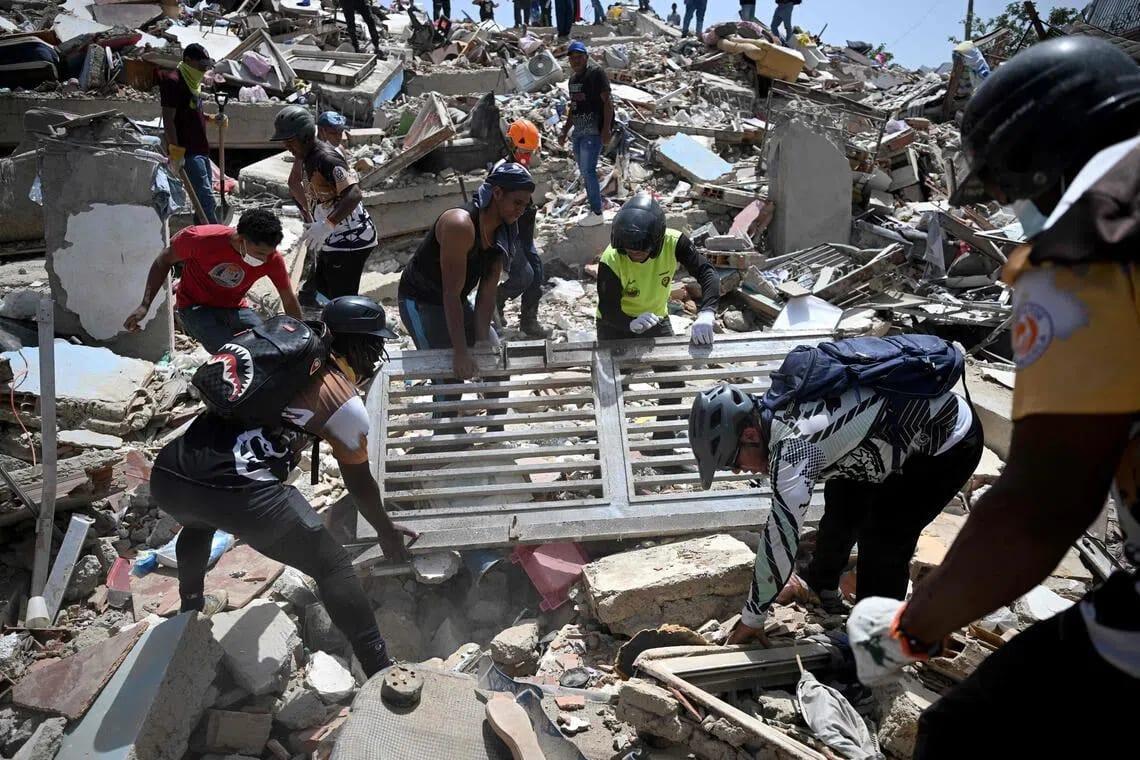
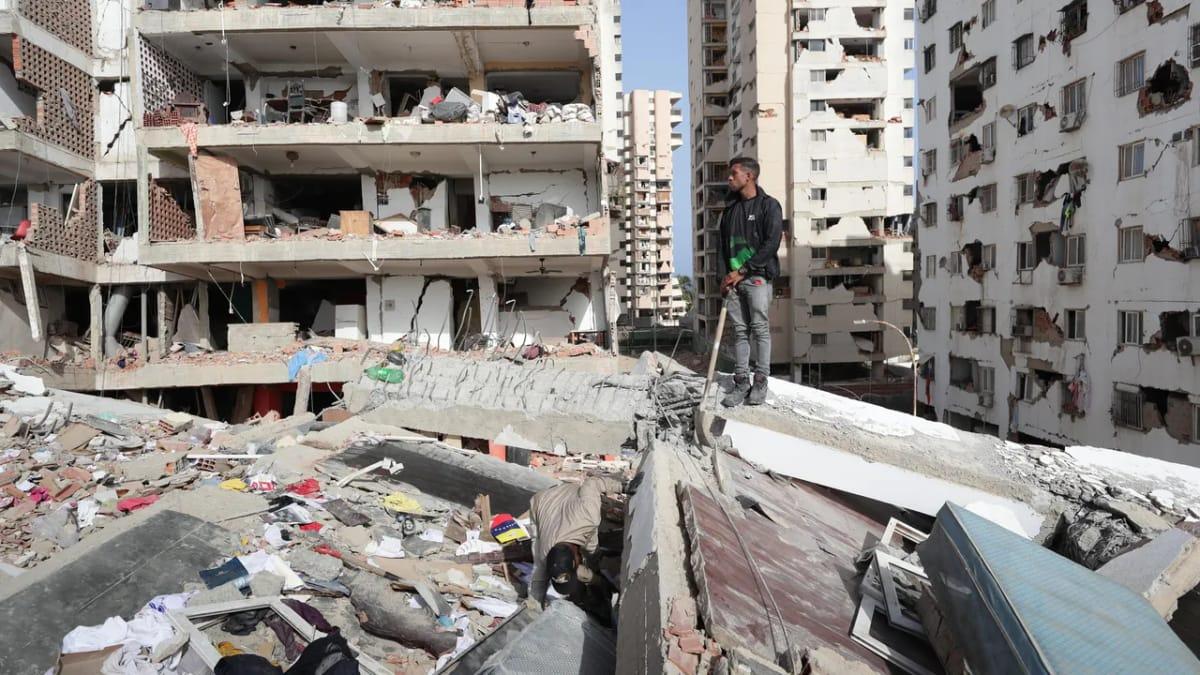
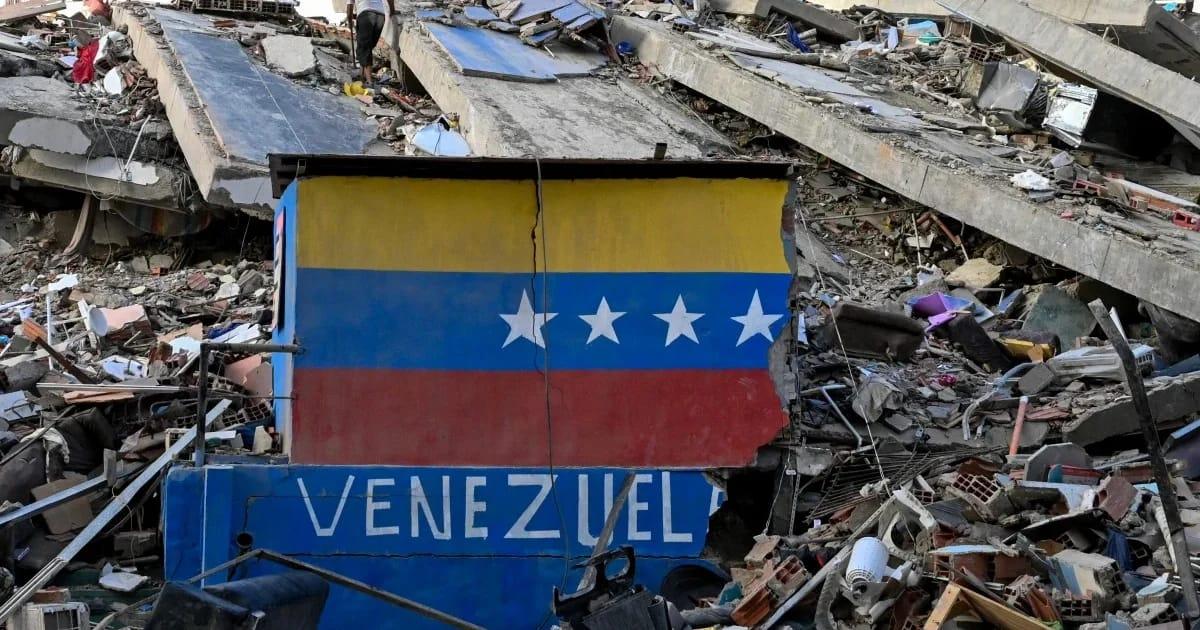
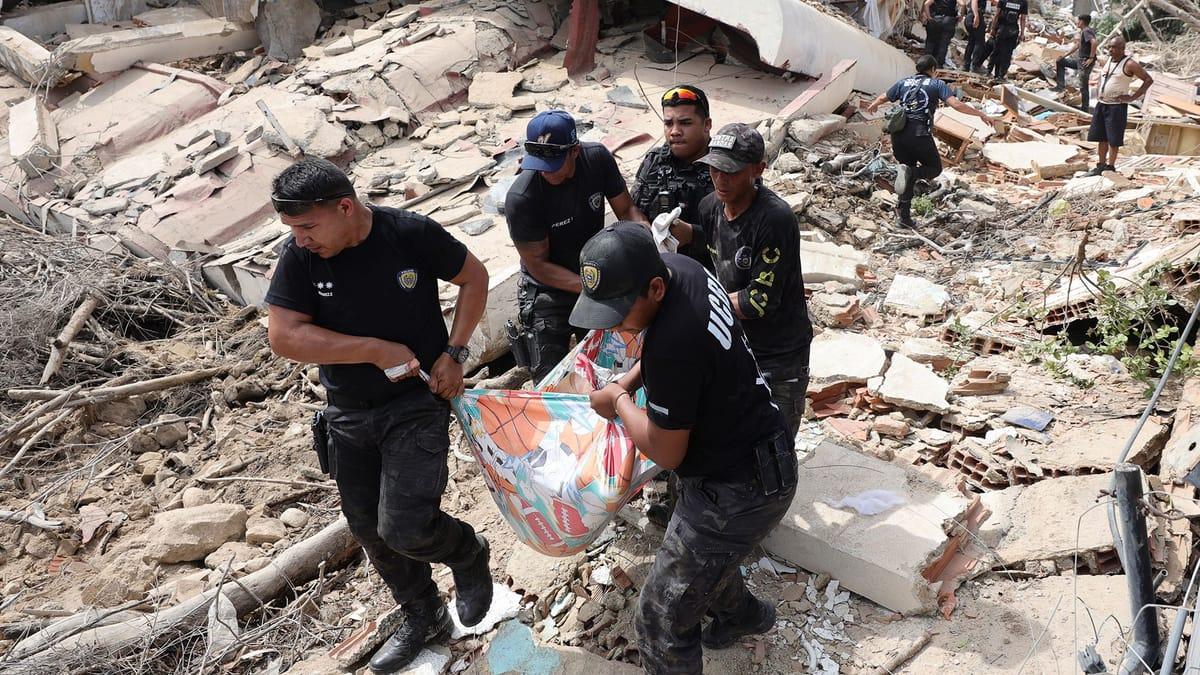
Venezuela is grappling with a catastrophic aftermath as the death toll from its recent twin earthquakes climbed to 1,430 by Saturday. Emergency response teams are in a desperate race against time to locate survivors, while millions of citizens confront severe shortages of vital services such as potable water, proper sanitation, and safe accommodation.
Amidst rising criticism over the pace of the government's emergency efforts, the first relief flights from the United States touched down in Caracas. Interim leader Delcy Rodríguez attempted to reassure the public, stating that Venezuela was receiving international support and "not alone" during this critical period. The US confirmed that a runway at Simón Bolívar International Airport was operational, facilitating the landing of C-17 military aircraft, and a naval vessel had reached Venezuelan waters to assist with aid operations.
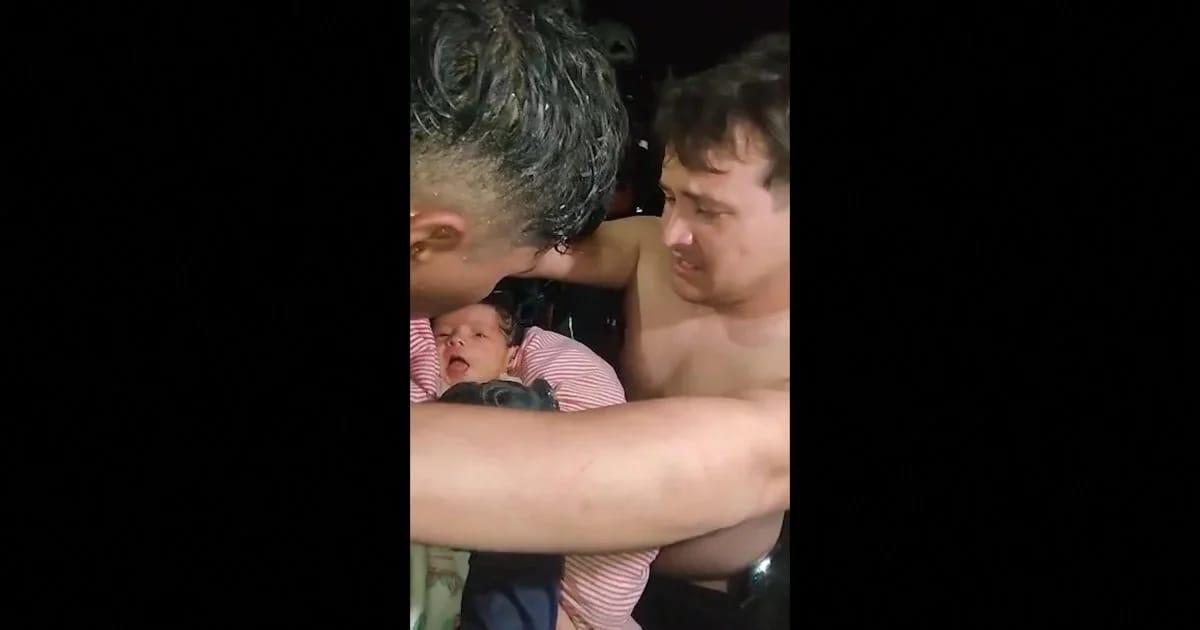
According to the UN humanitarian office, OCHA, rescue and recovery teams from over 17 countries are being mobilised to support search missions and locate those still alive. However, in heavily impacted regions, local residents continue to dig through collapsed structures themselves, driven by a desperate hope to save trapped individuals. Experts highlight that the initial 72 hours following a major disaster are crucial for finding survivors. A glimmer of hope emerged in La Guaira, a coastal area north of Caracas, where residents successfully pulled an infant alive from a ruined apartment building more than 32 hours after the tremors. A widely shared online video captured a man's emotional reaction as he carried the rescued baby.
Initial reports indicated that the two powerful earthquakes, which struck within a minute of each other, caused at least 920 fatalities. UN aid chief Tom Fletcher cautioned that this number is likely to increase significantly as rescue operations progress. The UN migration agency's assessments of population data and damage reports suggest that up to 6.76 million people could be affected, requiring urgent accommodation, safe drinking water, sanitation facilities, healthcare, protection services, and essential supplies.
This disaster has fueled public anger among Venezuelans, who have already endured years of economic hardship and political instability following the US-backed attempts to remove former leader Nicolás Maduro. Yessica Mendoza shared her harrowing experience of personally transporting her daughter’s body to a Caracas morgue after her 25-year-old daughter, Yesimar Rodriguez, and 26-year-old son-in-law, Jhomel Anaya, perished when their home collapsed in La Guaira. "We were the ones who pulled them out ourselves. No help ever came," Mendoza recounted to AFP, adding that the couple would be cremated without a traditional funeral due to the rapid deterioration of their bodies.
During a visit to a damaged neighbourhood on Friday, Rodríguez was met with angry residents who accused the government of inadequate assistance. "The government isn’t doing anything for the people," some residents reportedly shouted from behind security barriers near a destroyed building. Authorities subsequently restricted access to La Guaira state as rescue operations continued. Fletcher noted that over 50,000 people are believed to be missing, describing the situation as "a very, very complex emergency response."
Rodríguez confirmed discussions with US President Donald Trump and Secretary of State Marco Rubio, both of whom she said pledged ongoing support for relief efforts. Washington announced the deployment of over 250 disaster response personnel, including three specialised search-and-rescue teams equipped with trained dogs to locate individuals buried under debris. This earthquake marks the strongest Venezuela has experienced in over a century, striking a nation already weakened by prolonged economic decline. The deterioration of public services, including healthcare infrastructure, has left millions vulnerable, while many more Venezuelans have sought better conditions abroad. The disaster also coincides with a politically fragile period, months after Maduro's removal.
In a joint statement, the UN and other aid organizations highlighted that, "Even before the earthquakes, millions of people across Venezuela were facing food insecurity, collapsing health services, protection risks, and limited access to basic services." Such powerful seismic events have historically led to catastrophic losses globally, exemplified by Haiti’s 2010 earthquake, which claimed over 200,000 lives, and the 2005 Kashmir earthquake, responsible for approximately 73,000 deaths.
Gallery
Comments
(0)0/500 · No URLs or profanity allowed
Dis Venezuela earthquake matter don turn to serious wahala o! Nearly 1,500 people don kpai, and plenty millions dey suffer without water, food, and house. We just hope say the government go wake up and international help go reach everybody wey need am before e too late.
Source: Linda Ikeji's Blog
Related Stories
$247 Million Humanitarian Support Flows to Nigeria from US, EU
Venezuela Quakes: 18-Day-Old Baby Miraculously Pulled from Debris After 32 Hours
Devastating Venezuela Earthquakes Threaten Nearly 7 Million, UN Reports
Deadly Venezuela Quakes: Toll Reaches 589, USGS Foresees 100,000 Casualties
Aircraft Crashes Near China Zun Tower in Beijing