Alarm Raised by NMA Over Kaduna's Doctor Deficit
Full Story
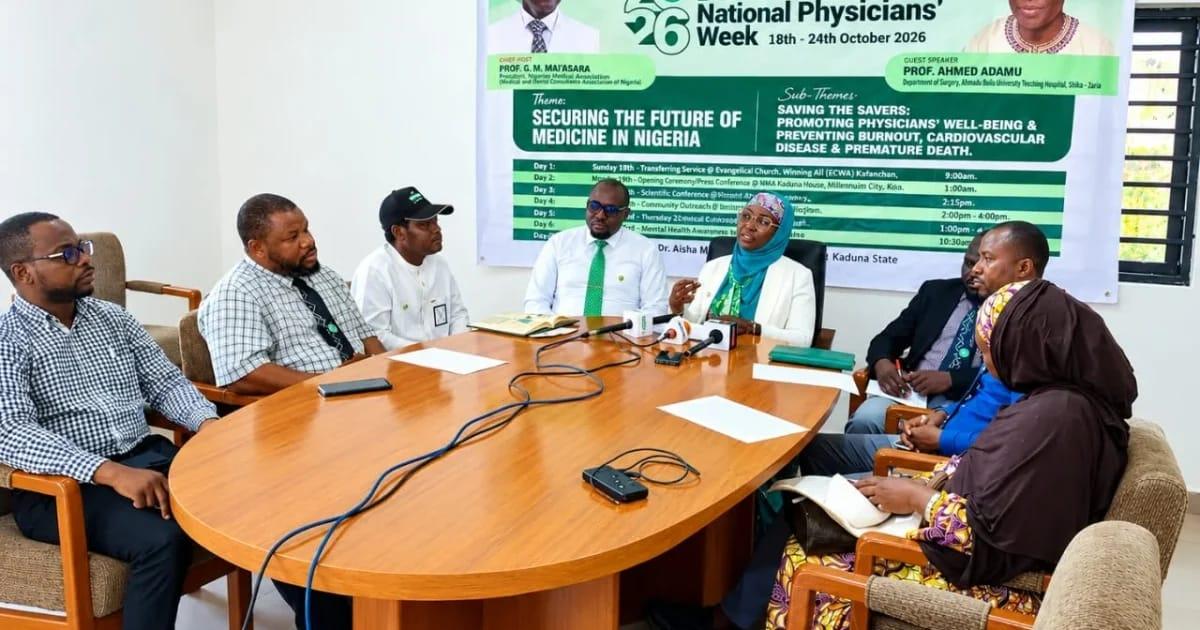
The Nigerian Medical Association (NMA), Kaduna State Chapter, on Monday, voiced serious concerns regarding a significant scarcity of medical professionals within the state. The association revealed a drastic reduction in the number of licensed doctors, which now stands at approximately 1,600, a decrease from an earlier figure of about 2,000.
Dr. Aisha Mustapha, the state chairman of the NMA, highlighted that this dwindling medical workforce, combined with prevalent insecurity, unsatisfactory remuneration, professional exhaustion, and inadequate healthcare facilities, poses a substantial threat to the efficient delivery of healthcare services to residents.
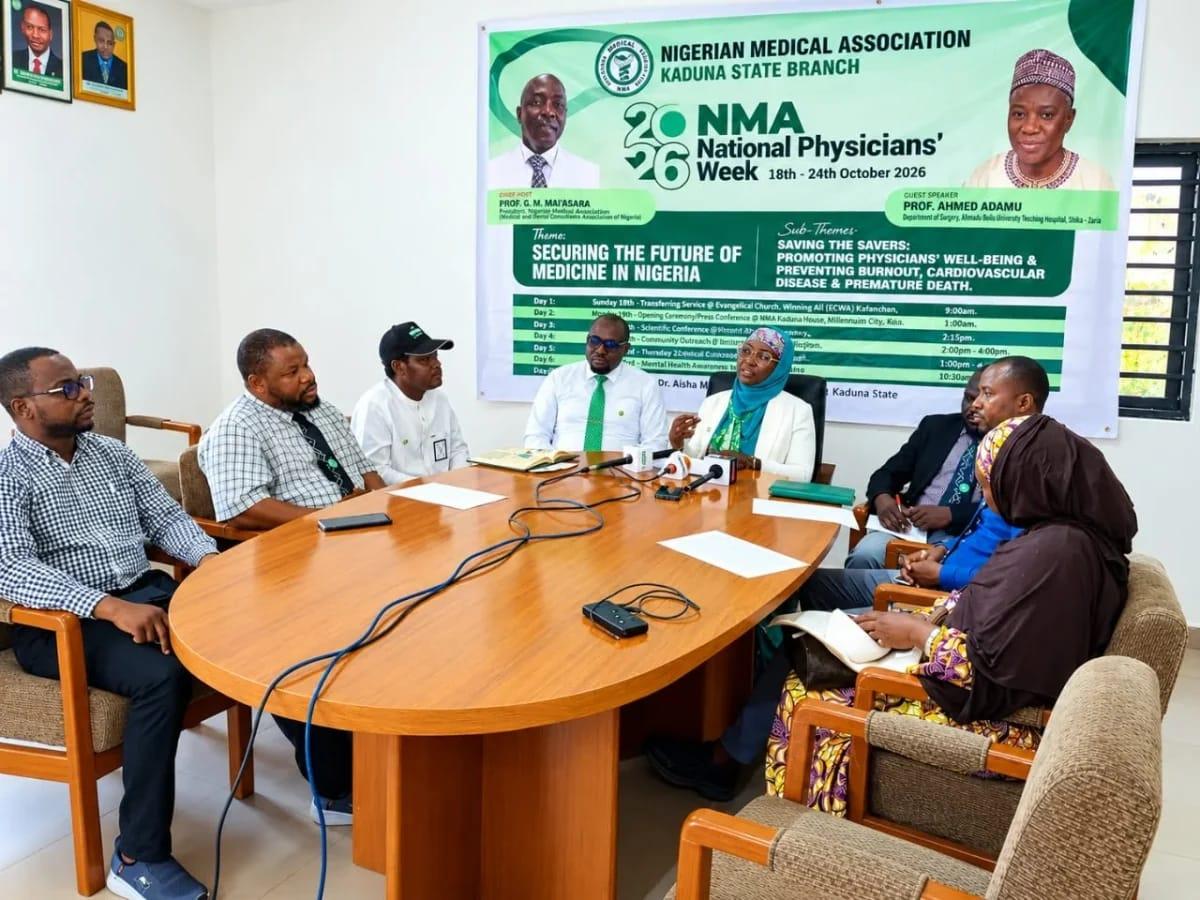
Speaking at a press briefing held on Monday, in anticipation of the 2026 National Physicians’ Week, themed “Securing the Future of Medicine in Nigeria,” Dr. Mustapha disclosed Kaduna State's alarming doctor-to-population ratio of one physician for every 6,000 inhabitants. She described this situation as a critical challenge demanding immediate intervention.
“The number of doctors currently licensed to practise in Kaduna State is approximately 1,600. We used to have about 2,000, but because of all these challenges, the numbers keep declining,” Dr. Mustapha stated. She further cautioned that this shrinking workforce places immense strain on the remaining medical personnel, necessitating urgent government action to bolster recruitment and retention initiatives.
Factors identified by Dr. Mustapha as deterring doctors from staying in Kaduna's healthcare system include poor pay, insufficient staffing, limited opportunities for career advancement, security concerns, and difficult working conditions. She emphasized that enhancing doctors’ welfare and fostering a conducive professional environment are crucial steps to reverse this negative trend.
The NMA chairman also pointed out the disparity in salaries between doctors employed by the Kaduna State Government and those working in teaching hospitals, a situation she noted encourages internal migration within the state's healthcare sector. While acknowledging the state government's efforts to improve doctors' pay, she stressed the need for further action to ensure that medical professionals in general hospitals are not disadvantaged.
She elaborated that when doctors transfer from general hospitals to institutions offering better financial packages, the facilities they leave behind become even more debilitated by staffing shortages. Mustapha advocated for salary harmonisation and improved working conditions to motivate doctors to remain in public hospitals, thereby ensuring residents have access to vital medical services.
Insecurity was also flagged as a major barrier to doctor retention, especially in communities where healthcare workers face threats to their safety. “Some of us, even if we get a job in certain hospitals where we would love to work, will not be able to go there because of the insecurity situation in that area,” she lamented.
Dr. Mustapha warned that this insecurity could prevent vulnerable populations, particularly those in rural areas already experiencing a shortage of medical staff, from accessing essential healthcare. She underscored that despite security challenges, residents in affected communities still require medical attention.
She urged both the government and security agencies to collaborate in safeguarding healthcare workers and guaranteeing unimpeded access to hospitals for patients. Furthermore, Mustapha expressed deep concern over doctors’ wellbeing, highlighting that excessive workloads, extended duty hours, and insufficient rest periods contribute to physical and emotional exhaustion among medical practitioners.
“A physician who is physically exhausted, emotionally depleted, chronically stressed and personally neglected cannot provide the quality healthcare patients deserve,” she asserted. To address this, she called for increased staffing, reasonable duty rosters, adequate rest, and access to healthcare and psychological support for medical professionals.
Mustapha reiterated that doctors require a supportive work environment to maintain their health, productivity, and ability to deliver quality patient care. She also noted that restricted opportunities for career progression and professional development could discourage doctors from staying in certain general hospitals.
According to the chairman, establishing clear promotion pathways, providing continuous training, and ensuring access to modern medical equipment would significantly boost morale and encourage doctors to build their careers within the state. Addressing the emigration of Nigerian doctors, Mustapha expressed dismay at the loss of skilled medical professionals due to inadequate incentives and unfavorable working conditions.
She appealed for intentional retention policies, improved remuneration, and stronger collaboration with Nigerian medical professionals in the diaspora to bolster the nation's healthcare system. Mustapha concluded by stating that enhancing doctors’ conditions of service is imperative to alleviate pressure on the existing workforce and ensure that public investment in medical education translates into improved healthcare outcomes for all.
Gallery
Comments
(0)0/500 · No URLs or profanity allowed
This NMA report from Kaduna na serious matter o. Doctors dey japa, those wey remain dey suffer, and insecurity sef dey make am worse. Government gats wake up quick quick, because na citizens dey suffer for all dis wahala.
Source: Punch NG
Related Stories
Kwara PDP Pressures AbdulRazaq Over Doctors' Ongoing Warning Strike

Inquiry Launched into Nursing Student Taiwo Godwin's Death at Ogun Hospital
Federal Hospital Aro Faces Negligence Claims After Nurse's Asthma Death

FG Boosts Health Fund to N40.76bn, Extends Insurance Coverage to Inmates — full story

Expert Dietitian Simplifies Milk Choices: Dairy, Non-Dairy, and More Explained