Kaduna Neuropsychiatric Hospital Unveils Telepsychiatry for Broader Patient Access
Full Story
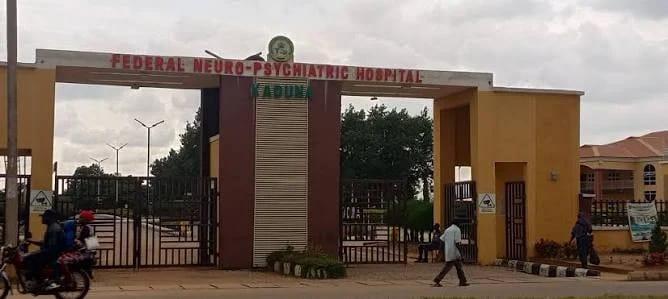
The Federal Neuropsychiatric Hospital in Kaduna has introduced a new telepsychiatry service, allowing its patients to receive specialized mental healthcare remotely from their homes. This innovative step means individuals will no longer need to undertake lengthy journeys for every consultation or follow-up appointment. The hospital stated that this initiative aims to dismantle the financial and geographical barriers that often hinder patients, many of whom travel from various parts of Nigeria and even neighbouring countries, from accessing crucial mental health support.
Professor Aishatu Armaya’u, the Medical Director of the hospital, made this announcement on Wednesday during a media engagement event in Kaduna. The event also marked the official launch of the hospital’s updated patient cards and other digital advancements. Professor Armaya’u highlighted the significant financial burden faced by patients and their families, who frequently incur substantial costs for transport, accommodation, and feeding during hospital visits. She emphasized that the newly launched digital platform would enable patients to remain within their communities while still benefiting from the expertise of the hospital’s healthcare professionals.
Expressing her long-term vision, Professor Armaya’u remarked, "This is my dream in the next 20 years, to see the impact of what we have done today transferred across the globe, where a patient can stay in the hospital to have affordable, available and accessible mental healthcare at home." She further clarified that the telepsychiatry platform is designed as a comprehensive digital healthcare ecosystem, not solely for doctors. "This is a coordinated service. It is not just the doctor that will be involved," she stated, confirming that a diverse team including doctors, nurses, pharmacists, laboratory scientists, health information managers, and administrators would be integral to the digital care process.
Patients will now have the convenience of scheduling appointments, providing necessary consent, making payments, and receiving consultations without the obligation of physically visiting the hospital for every scheduled meeting. This system is also expected to enhance the hospital's service planning capabilities, as healthcare workers will have advance knowledge of the number of virtual patients and their specific medical requirements.
The initiative forms a crucial part of the hospital’s broader strategy to decentralize mental healthcare and integrate psychiatric services into primary healthcare facilities throughout Kaduna State. Professor Armaya’u explained that patients whose conditions can be managed at the community level will no longer need to repeatedly travel to the specialist hospital. This arrangement will allow the Federal Neuropsychiatric Hospital to dedicate more resources to new admissions and those requiring complex or highly specialized interventions. "This is not a new thing. Mental health is part and parcel of the primary healthcare package," she affirmed, acknowledging, however, that the effective integration of mental healthcare into primary healthcare has historically presented challenges. "We are working with the relevant authorities to ensure that mental health services are incorporated into primary healthcare," she added.
Furthermore, the Medical Director noted that this setup would empower specialists at the Federal Neuropsychiatric Hospital to offer telemedicine support to healthcare workers in other locations. "Our specialists can support healthcare workers in those centres. They do not necessarily have to bring every patient to the specialist hospital," she explained. This approach is anticipated to alleviate pressure on the main hospital, simultaneously fostering opportunities for its professionals to engage in research, training, and the management of intricate cases.
Professor Armaya’u underscored that this digital shift became imperative due to the persistent obstacles of geographical distance and the high cost of healthcare access for many psychiatric patients. "Some of our patients come from very far places. Some come from other states and even neighbouring countries. They spend money on transportation, accommodation and feeding just to come for follow-up," she reiterated. The telepsychiatry service, therefore, offers a viable alternative for patients whose conditions do not necessitate a physical examination during every visit. Nevertheless, she stressed that the new service would not entirely replace the need for in-person consultations. "Where physical assessment is required, the patient will still have to come to the hospital. Telemedicine is not a replacement for every form of clinical care," she cautioned.
In addition to the telepsychiatry service, the hospital also launched new patient cards as part of its ongoing digital transformation. These cards are designed to enhance patient identification, streamline records management, and ensure continuity of care. Professor Armaya’u concluded that these reforms are geared towards establishing a mental healthcare system that is "more accessible, affordable and responsive" to the evolving needs of patients.
Comments
(0)0/500 · No URLs or profanity allowed
Na big step forward for mental health care be dis one from Kaduna Psychiatric Hospital! Dem don bring virtual consultations so patients no go dey struggle to travel far again. We just pray say dis innovation go truly reach everybody wey need am and make mental healthcare easy to get for Naija.
Source: Punch NG
Related Stories

Kano Residents Receive Free Urological Surgeries Via Saudi Partnership

PTAD Launches Online Health Scheme Enrollment for Federal Pensioners

Kwara Media Charged to Spotlight Rights Abuses, Gender-Based Violence

Ben Dancer Concludes Epic Marathon Dance Bid for Guinness World Record

Kogi Vets Advocate Rabies Control Bill 2026, Call for More LGA Doctors