Fiji Grapples with HIV Surge, Announces National Health Emergency
Full Story
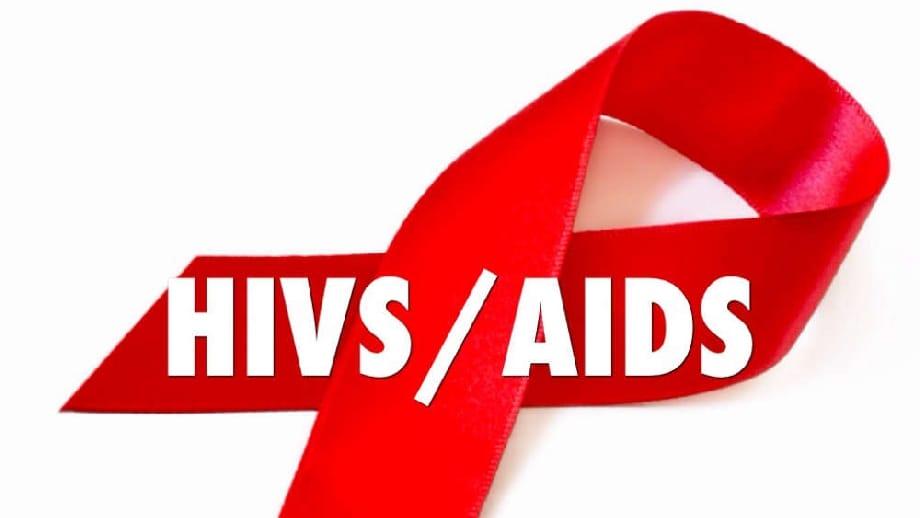
The Pacific island nation of Fiji has officially declared a national health emergency following an alarming increase in HIV cases. Dr. Ratu Atonio Lalabalavu, the country’s Minister for Health and Medical Services, announced this decision via a statement on social media, emphasizing that the situation has escalated beyond what an 'outbreak-level response' can manage, now constituting an 'epidemic'.
“Today I am formally declaring a national health emergency in Fiji,” Dr. Lalabalavu stated. “This decision recognises the seriousness of the epidemic and the urgent coordinated response our country now needs.”
The minister highlighted the severity of the crisis, noting that government estimates indicate one in every 60 adults in Fiji is currently living with HIV. This marks a significant jump from five years ago, when the estimate stood at one in 167. In 2025 alone, Fiji recorded 2,060 new HIV diagnoses, with approximately one in 50 pregnant women testing positive for the virus.
This emergency declaration, which came after a cabinet decision on September 9, necessitates a unified national effort. With a population of under one million, Fiji is experiencing one of the fastest rises in new HIV infections globally, according to the Joint United Nations Programme on HIV and Aids (UNAIDS). UNAIDS data reveals a staggering 12-fold increase in new infections between 2010 and 2025.
In response to the emergency, the Fijian government plans to launch a syringe and needle programme. Minister Lalabalavu confirmed that the country already possesses adequate supplies of these items, with legislative amendments slated for parliamentary introduction to facilitate the program's implementation. He also strongly encouraged citizens to undergo testing, asserting, "No one should be ashamed, threatened, or excluded because of their HIV status." The minister further stressed that "Stigma drives people away from the very services that can help them."
Statistics from UNAIDS for 2025 show that out of the 9,100 Fijians living with HIV, only 39% were aware of their status, and a mere 22% were receiving antiretroviral treatment. Jason Mitchell, who heads the national HIV response taskforce, conveyed to ABC News in an interview that Fiji will likely require "upwards of five years" to effectively bring the epidemic under control. "It's a long-term programme, it's not something like Covid that's turned around in two years. HIV is very different," Mitchell explained.
Comments
(0)0/500 · No URLs or profanity allowed
Fiji don declare emergency because of HIV wey dey spread like wildfire. Na serious matter o, especially with di talk say na drug use dey cause am and dem need five years to fit control am. Make dem quick find solution before e scatter everywhere.
Source: Linda Ikeji's Blog
Related Stories
Fatalities from Suspected Poisoning in Ondo Hit 49, 170 Affected

Nigeria's Federal Government Launches HTA Initiative for Efficient Health Resource Use
Three Die in Los Angeles After NBC4 Helicopter Plunge Near Deadly Bus Scene
Yobe Police Nab 13-Year-Old After Fatal Stabbing in Damaturu

Dr. Zainab Usman Urges Men to Vet Spouses for 'Wild' or Lesbian Traits