Oncologist Raises Alarm Over ‘Unpredictable’ Cancers Among Young Nigerians
Full Story
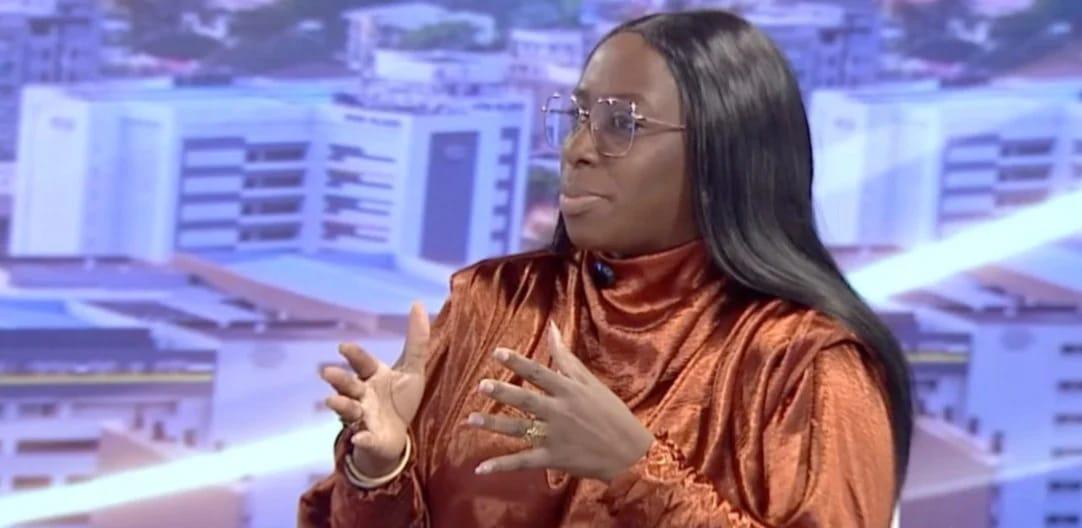
Clinical Oncologist, Dr. Omolola Salako, has voiced serious concerns regarding a growing trend of cancer cases among young Nigerians. She highlighted that medical specialists are observing “unpredictable” forms of the disease in individuals aged between 18 and 39.
Speaking during an interview with ARISE NEWS on Sunday, Dr. Salako explained that this development poses a significant challenge because many of the affected individuals are below the age at which routine cancer screening is typically recommended. “And for young cancers, that’s another thing we’re seeing in oncology, there are young people between the ages of 18 and 39 that are developing cancers and these cancers are unpredictable, too young to recommend cancer screening in the first place,” she stated.
She noted that young adults frequently present late for diagnosis because the possibility of cancer is usually not considered at their age. “And with the younger adults, they tend to present, you know, late because that’s the last thing on a 20-something years old mind,” Salako added.
Addressing cancer prevention, detection, and treatment, Dr. Salako, who also serves as the Chief Executive Officer of Pearl Oncology Specialist Hospital, emphasized that tobacco use remains a significant risk factor. She pointed out that tobacco contains over 3,000 chemicals known to trigger or initiate cancer. “Smoking contains tobacco. And in tobacco, there are more than 3,000 chemicals that are known to trigger cancer or start cancer,” she confirmed.
The oncologist further explained that the risk extends beyond active smokers to individuals exposed to secondhand tobacco smoke. “Whether you’re smoking it or you’re leaving or hanging around the person who’s smoking, all of that are risk factors,” she said, stressing that cancer control involves several pillars, with prevention being the first.
Dr. Salako encouraged Nigerians to utilize primary, secondary, and tertiary healthcare facilities for preventive services, including crucial vaccinations against Hepatitis B and Human Papillomavirus (HPV). She revealed that approximately 40% of cancers are preventable, making it vital for both men and women to attend primary care levels for screening and vaccination. The Federal Government has also highlighted that early cancer diagnosis significantly boosts treatment success and has urged hospitals not to discharge cancer patients when they require care.
Another critical factor identified by Dr. Salako is a strong family history of cancer, particularly when multiple family members have been affected. She advised individuals with such a history to consult specialists and undergo appropriate genetic tests. This can help detect cancers at a “stage zero,” or “pre-cancerous” microscopic level. “When there’s a strong family history, you should see a specialist, you should do some genetic tests and there are some drugs and tests that can be done to detect the cancers when they are at stage zero, pre-cancers, when they are microscopic,” she explained.
Additional health and lifestyle-related factors contributing to cancer risk include kidney diseases leading to renal failure and requiring transplants, uncontrolled hypertension, and micronutrient deficiencies. Products containing tobacco, even electronic cigarettes, remain a concern. Dr. Salako also mentioned chronic, heavy alcohol consumption, which stresses the liver, induces chronic inflammation, and can cause various cancer types.
Moreover, prolonged exposure to harmful ultraviolet (UV) radiation can damage the skin, especially in fair-skinned individuals and people with albinism who possess lower levels of melanin, thus having less natural protection. “And so with that less protection and being exposed to harsher UV radiation, there’s more skin damage that is seen as sunburns,” she elaborated.
According to Dr. Salako, chronic inflammation serves as a recurring pathway through which several risk factors contribute to cancer development. “At the end of the day, almost everything leads to inflammation,” she stated. She concluded by explaining that repeated damage to the body’s cells can eventually create conditions conducive to cancer. “The problem with cancer is, it just takes one arrow in one cell and finds a way to hide. And that’s how cancer can develop,” Salako warned.
Comments
(0)0/500 · No URLs or profanity allowed
Ah, dis tori wey Dr. Salako yarn about young Nigerians getting cancer dey shake body o. E show say we no fit dey play with our health, especially with all di things dem talk about prevention. Make we wise up and take health matters serious!
Source: Punch NG
Related Stories

Nasarawa State Seals Lafia Market, Impounds 37 Tricycles for Sanitation Offences

Diphtheria Surge: Kano Establishes New Containment Committee
Diphtheria Crisis Overwhelms Katsina Federal Teaching Hospital Bed Capacity

Red Cross Boosts Sokoto's Malnutrition Battle with 700 RUTF Cartons

Friend Tricked Me Into Kidney Harvest, Blew Payment on Gadgets – Victim