Over 2,300 Lives Lost: DR Congo Records Its Worst Ebola Epidemic
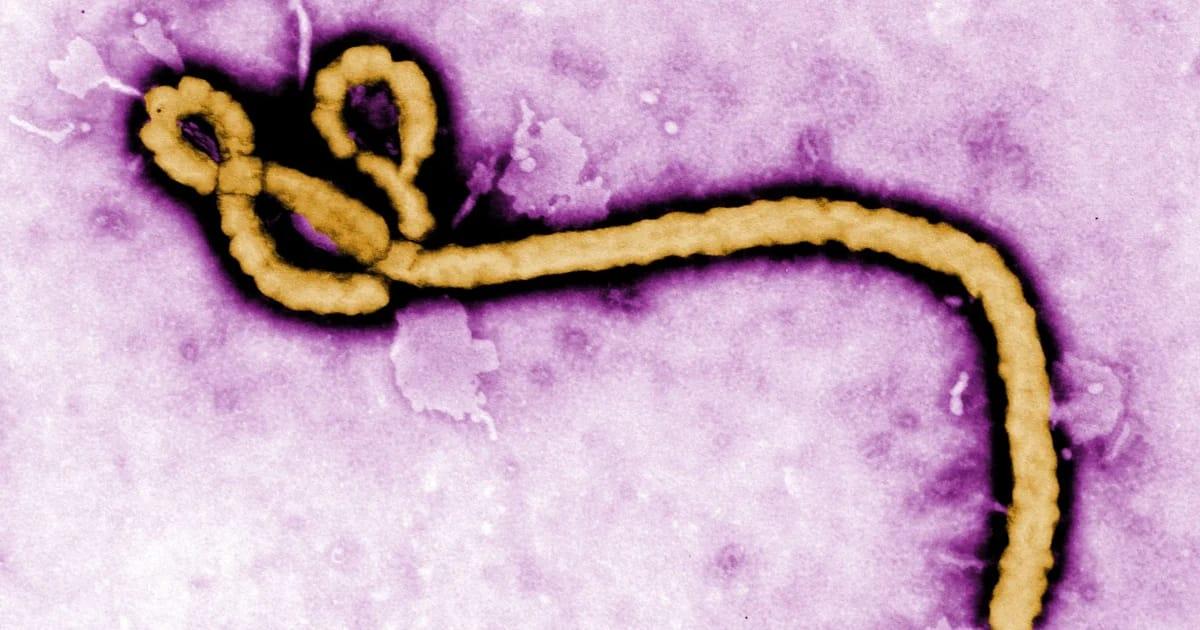
Public health authorities have confirmed that the Democratic Republic of Congo is currently grappling with its most severe Ebola epidemic to date, marking a grim milestone in the nation's struggle against the deadly virus. Since its declaration in May, the current outbreak has tragically claimed over 2,300 lives.
Data released by health officials, and cited by the BBC on Monday, indicates a staggering 4,945 confirmed infections, with an additional 101 cases identified within a mere 24-hour window. The disease's rapid spread, now affecting six of the DRC's 26 provinces, has raised serious alarms regarding its transmission rate.
This particular outbreak is attributed to the Bundibugyo species of Ebola, a less common variant that has only surfaced twice before. A crucial challenge lies in the absence of a specific approved vaccine for the Bundibugyo strain, a stark contrast to the Zaire species, which has been linked to numerous major Ebola epidemics and has available vaccines. Public health experts have characterized the current situation as an "exceptionally fast-moving" epidemic.
At its most intense period, the epidemic was claiming a life roughly every 30 minutes, a grim statistic highlighted by the United Nations humanitarian chief. While the majority of cases remain confined within the Democratic Republic of Congo, isolated infections have been documented in neighboring Uganda, alongside a few instances identified in Europe.
Global efforts are intensifying to curb the spread, with the World Health Organization (WHO) targeting a three-month timeframe to bring transmission rates under control. Nevertheless, health authorities caution that achieving control over transmission does not guarantee an immediate cessation of the outbreak. Concurrently, scientists globally are engaged in research and development to create effective vaccines specifically for the Bundibugyo strain.
In a significant development, the UK's medicines regulator has given the green light for human trials of a vaccine developed by University of Oxford researchers. This vaccine leverages technology akin to that utilized in the renowned Oxford-AstraZeneca COVID-19 vaccine.
Ebola remains a rare yet exceedingly perilous viral disease. Initial symptoms typically manifest as fever, headaches, and fatigue, progressing to severe vomiting and diarrhoea in advanced stages. Its primary mode of transmission involves direct contact with the blood or other bodily fluids of an individual already infected.
This ongoing crisis marks the 17th documented Ebola outbreak in the Democratic Republic of Congo since the virus was initially identified within its borders five decades ago. Decades of internal conflict, significant population displacement, and persistent strain on the national health infrastructure have historically complicated efforts to manage and contain such outbreaks. As the number of cases continues its rapid ascent, health authorities are intensifying surveillance, improving treatment protocols, and bolstering infection-control strategies in a concerted effort to decelerate the disease's progression.
Gallery
Comments
(0)0/500 · No URLs or profanity allowed
DR Congo don see dia worst Ebola wahala now, over 2,300 people don kpai. E no easy say dis kind wey dey spread fast-fast no even get vaccine yet. We just pray say WHO go fit control am sharp-sharp.
Source: Punch NG
Related Stories

Nigerian Woman Opens Up on Abusive Marriage After Fiancé's Hot Tea Incident
N2m appeal to restore teen's mobility after lifelong leg deformity struggle

Segilola Resources Boosts Healthcare for 2,700 Residents in Osun Communities

Businesswoman Ijeoma Chinonyerem Laments Rising Trend of Indecent Male Dressing

Centenarian Twins Share Secret to Long Life Amidst Family Legacy