Fraud concerns spark India's move against WhatsApp's new username feature
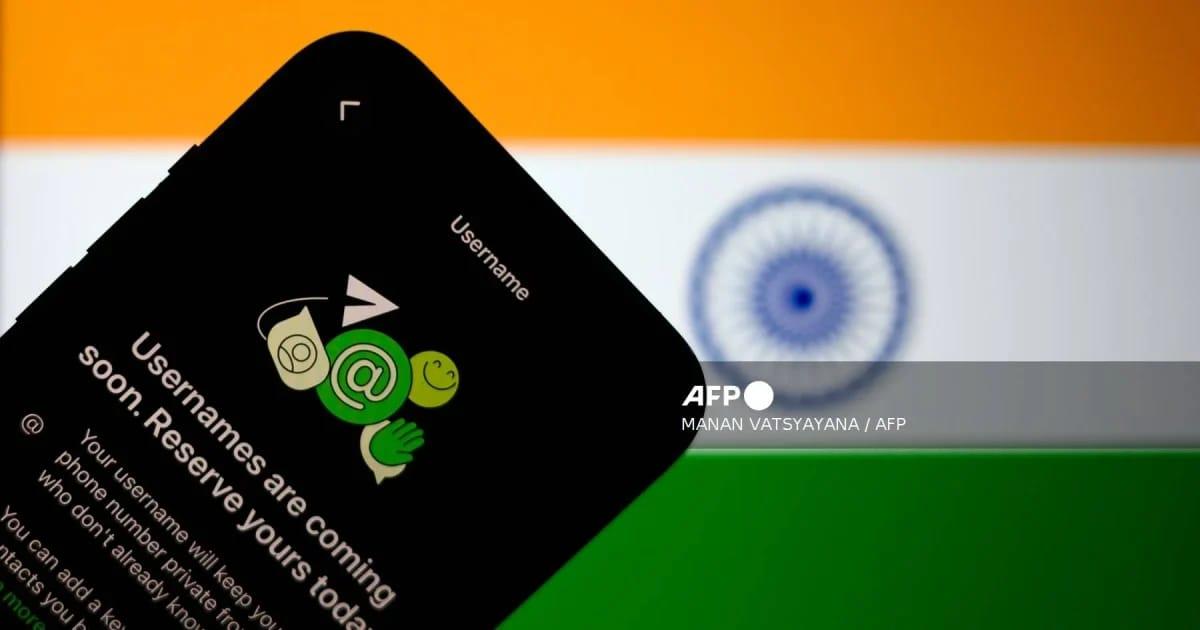
The Indian government has reportedly requested Meta to postpone the launch of its new username feature for WhatsApp within the country, citing significant worries about potential fraud and impersonation. This development, as reported by various media outlets on Thursday, comes amidst an intensified battle by Indian authorities against a surge in cybercrime, which often targets millions of internet users with limited digital safety awareness.
Earlier this week, Meta, the US tech giant and owner of WhatsApp, announced on Monday that a new global feature would enable users to connect through unique usernames, eliminating the need to share phone numbers and thereby enhancing privacy. However, India, which represents WhatsApp's largest market with over half a billion users, expressed its apprehension on Wednesday, suggesting that this alteration could inadvertently facilitate fraudsters in targeting unsuspecting victims.
According to the Indian Express newspaper, the Ministry of Electronics and Information Technology formally communicated its concerns to Meta in a letter. The ministry highlighted that the planned feature might lead to a rise in various online scams, including phishing, digital arrest frauds, and impersonation attacks.
A senior government official, quoted by the English-language daily, articulated the potential risk: “There is a possibility that bad actors may claim usernames and message other users while pretending to be someone they are not.” The official further cautioned, “For those who may not be technologically aware to make out the difference, it could be a huge challenge.” Consequently, the ministry has urged Meta to defer the feature's implementation until a thorough consultation process on the matter has been concluded.
Last month, Meta appointed Kunal Shah, a prominent figure in Indian fintech, to lead WhatsApp. Responding to the concerns, Meta stated that the username feature is not yet active in India and confirmed that it has already reserved specific usernames for public figures and verified accounts to prevent misuse. In an official statement, Meta affirmed, “To protect against impersonation, we’ve held the highest-profile names… so they can only ever be claimed by their legitimate owners.” The company also clarified, “Users still require a phone number to use WhatsApp, and we’ve built multiple layers of defence against scams into usernames.”
It is worth noting that a similar username functionality is already available on WeChat, another widely used messaging platform owned by China's Tencent. India has witnessed a dramatic increase in online fraud in recent years, largely attributed to rapid digital adoption outpacing the general public's understanding of fundamental internet safety. Official government data indicates that Indians suffered losses amounting to nearly $3 billion due to cyber fraud in 2025, a staggering forty-fold increase compared to figures from 2021.
Gallery
Comments
(0)0/500 · No URLs or profanity allowed
Na serious matter o! India don tell Meta to hold WhatsApp username feature because of fraud. Dem say scammers fit use am impersonate people. We just hope say Meta go listen well and find solution before dem launch am, make our people no fall mugu.
Source: Punch NG
Related Stories

Nigerian Ex-Inspector Confesses to $1.64M Wire Fraud in US Building Scheme

BREAKING: NANS President Exposed Fr@ud In President Tinubu NELFUND Loan Disbursements To The Schools

CDCFIB Flags Fake News on NSCDC, NIS, NCoS Recruitment Postponement

Yahaya Bello Fraud Trial: Witness Reveals Kickbacks from Kogi Tax Deals
Abia warns public against fake ₦65,000 Otti birthday giveaway