Federal Government Targets Uninterrupted Electricity in Key Demand Centres
Full Story
The Nigerian Federal Government has initiated discussions with electricity distribution companies (DisCos) to establish dedicated 'Energy Zones.' These zones are designed to ensure a consistent, 24-hour power supply to residences, businesses, and industrial facilities located in the nation's primary consumption areas.
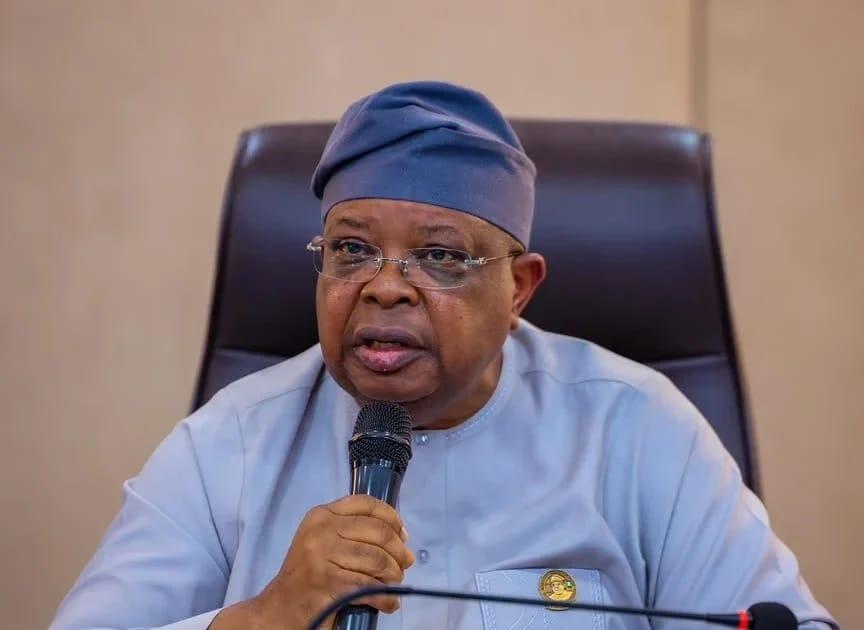
Joseph Tegbe, the Minister of Power, recently convened a private meeting with senior representatives from selected distribution companies. The purpose of this gathering was to deliberate on the proposed initiative, which is set to focus on high-demand corridors including the Lagos axis, the Abuja-Kaduna-Kano route, and the Enugu-Port Harcourt region. This meeting was officially confirmed in a statement released on Wednesday by Adeola Adelabu, the minister’s media aide.
The statement elaborated, “In furtherance of the Federal Government’s commitment to deliver reliable electricity to Nigerians, the Minister of Power, Joseph Tegbe, has held a strategic closed-door meeting with the leadership of select electricity distribution companies over the proposed Energy Zones, designed to deliver stable, 24-hour power supply to homes, businesses and industries in the country’s highest-demand areas, namely Lagos axis, Abuja-Kaduna-Kano and Enugu-Port-Harcourt.” The core objective of this plan is to tackle existing bottlenecks in electricity distribution, thereby guaranteeing that power generated and transmitted via the national grid reaches consumers more dependably, particularly in areas with significant commercial and industrial activities.
According to the official communication, Minister Tegbe highlighted that the challenges plaguing the power sector extend beyond mere generation and transmission. He noted that the capacity of distribution companies to receive and deliver available electricity to end-users also constitutes a significant hurdle. “The constraint on the sector is not limited to generation and transmission but includes how much power is taken up and delivered at the distribution end,” the statement quoted the minister as stating. He further explained that these proposed Energy Zones are expected to bridge this gap, stimulate commercial and industrial demand, and enhance the revenue and collection efficiency of the DisCos.
The minister reiterated the Federal Government's dedication to expanding electricity infrastructure in high-demand localities, stressing the necessity for supply capacity to scale proportionately with the growth of Nigeria’s economy. The planned zones are intended to concentrate on areas where dependable electricity is indispensable for commercial operations, manufacturing, and other productive endeavors. However, the statement did not specify a timeline for the project's implementation, the projected capacity of these zones, or the precise infrastructure investments required to achieve continuous supply.
This engagement, as outlined in the statement, is consistent with Minister Tegbe's pledge upon assuming office to adopt a structured and phased approach to resolve the sector's long-standing issues. It also aligns with President Bola Tinubu’s 'Renewed Hope Agenda,' which identifies reliable electricity as a crucial catalyst for economic prosperity, industrialisation, and job creation. Among the entities represented at the meeting were Abuja Electricity Distribution Company, Ikeja Electric, Eko Power, Ibadan Electricity Distribution Company, and Sahara Energy Group. The introduction of these proposed Energy Zones comes amidst ongoing concerns regarding the consistency of electricity supply and the ability of distribution companies to deliver available power to consumers effectively.
Comments
(0)0/500 · No URLs or profanity allowed
Na serious matter be this o! FG don yarn say dem wan give us 24-hour light for some areas. Make we just hope say no be audio promise, because constant power na wetin go truly ginger economy for Naija.
Source: Punch NG
Related Stories

Nigerian Refinery Owners Urge Halt to Fuel Imports, Push for Export Ambition

Governor Otti Defends Fuel Subsidy End, Warns Reversal Will Hurt Nigeria

Lokpobiri: Nigeria's Petrol Price Lower Than US, Many African Nations

Public Servants Demand N500 Fuel, N500k Minimum Wage from President Tinubu
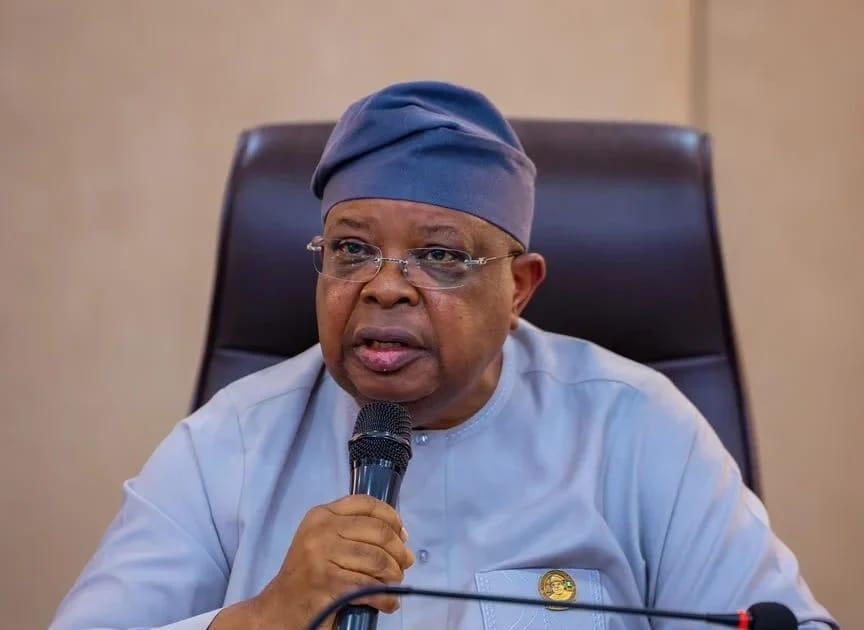
Minister Joseph Tegbe Confirms Unreliable Electricity Persists for Many Nigerians
